Trump floats Strait of Hormuz as US territory
Trump floats Strait of Hormuz as US territory as transit data shows nine vessels Thursday versus a 12-ship August average, officials and Iran respond.
Mateo Fernandez ·
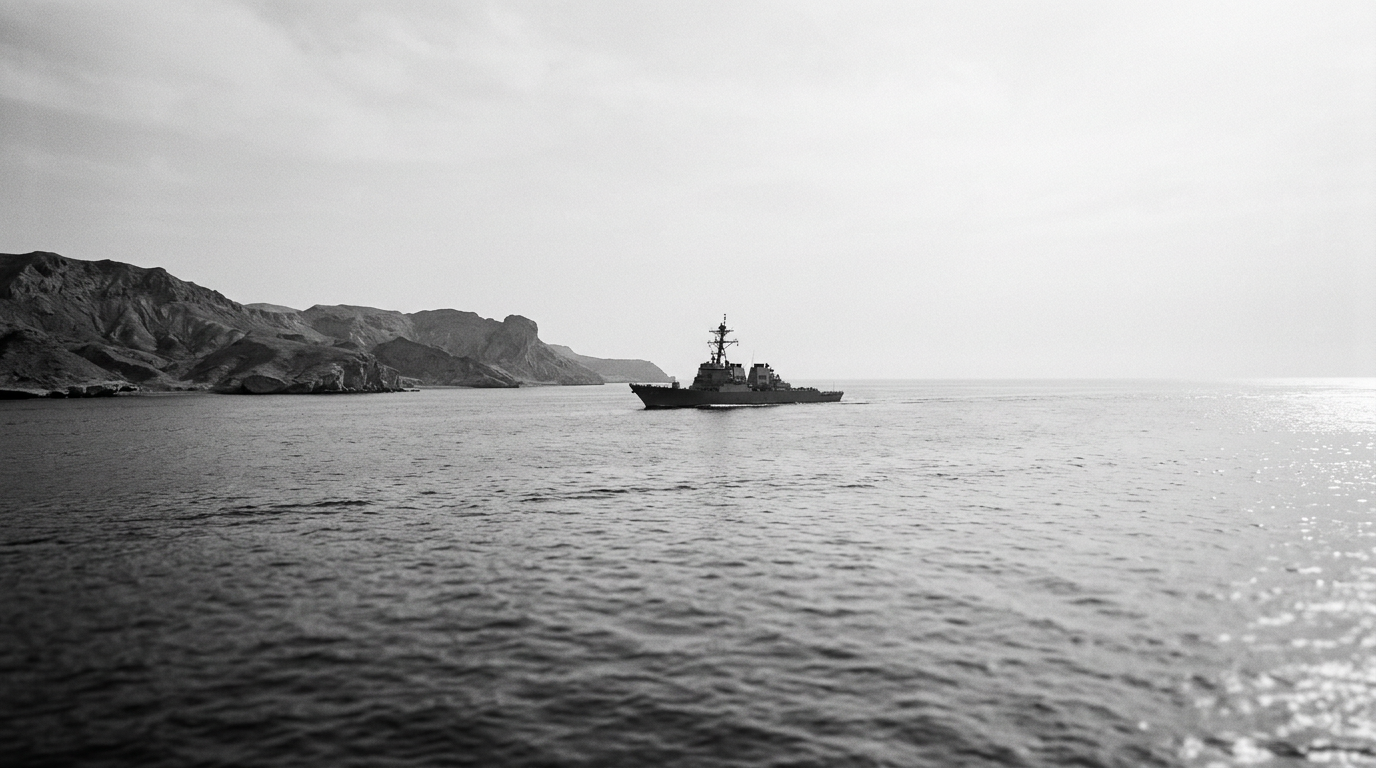
President Trump said on Friday that he may declare the Strait of Hormuz as US territory, a remark that would increase pressure around a major maritime route for oil shipments. His comments came as vessel movements in the strait were running below what was described as typical for August, based on the data cited in the account.
According to that data, nine vessels transited the strait on Thursday, below the August average of 12. The Thursday total was higher than Wednesday’s count of five vessels, but the account said traffic still remained under what it called normal August levels.
Lower vessel counts follow reported ship attacks President Lower vessel counts follow reported ship attacks President Trump The slowdown followed two additional attacks on ships in the Strait of Hormuz, sources said. Separately, US officials said Washington could sustain a naval blockade of Iran indefinitely, adding to an already tense backdrop around the waterway. Against that context, Trump’s suggestion raised fresh questions about intent and feasibility. The account said the practical and legal meaning of the remark was not established in his comments, and officials did not announce any formal steps toward changing territorial status. Remarks delivered in New York amid gasoline-price defense Trump made the comments in Garden City, New York. He linked higher gasoline prices to US efforts aimed at preventing Iran from obtaining a nuclear weapon, according to the account. Deputy Foreign Minister Kazem Gharibabadi wrote in a Iranian officials rejected the statement. Deputy Foreign Minister Kazem Gharibabadi wrote in a post on X early Saturday that Tehran would not be intimidated by US threats or displays of force, and said the waterway would be opened or closed only under Iran’s authority.
Oil-supply risk and near-term shipping signals
The account described oil-supply risk as the main macroeconomic channel. It said that if traffic continues to run below the August average, energy importers could face tighter prompt supply, while shipping costs may rise. It also outlined a separate risk for the It also outlined a separate risk for the White House: a territorial claim could further harden the confrontation with Iran before any operational change is defined. For shipping and energy companies, the immediate focus described was whether vessel counts on August 15–16 rebound toward the 12-ship August average or remain near the reduced levels seen this week.
As of Trump’s remarks, no formal territorial move had been announced. That leaves uncertainty over whether the statement reflects a potential policy shift or a negotiating signal tied to the broader standoff around the strait.