Trump pressed strikes as Iran rejected ceasefire
A day of repeated strike warnings from the White House ended a tentative ceasefire, leaving oil and safe‑haven markets on alert.
Mateo Fernandez ·
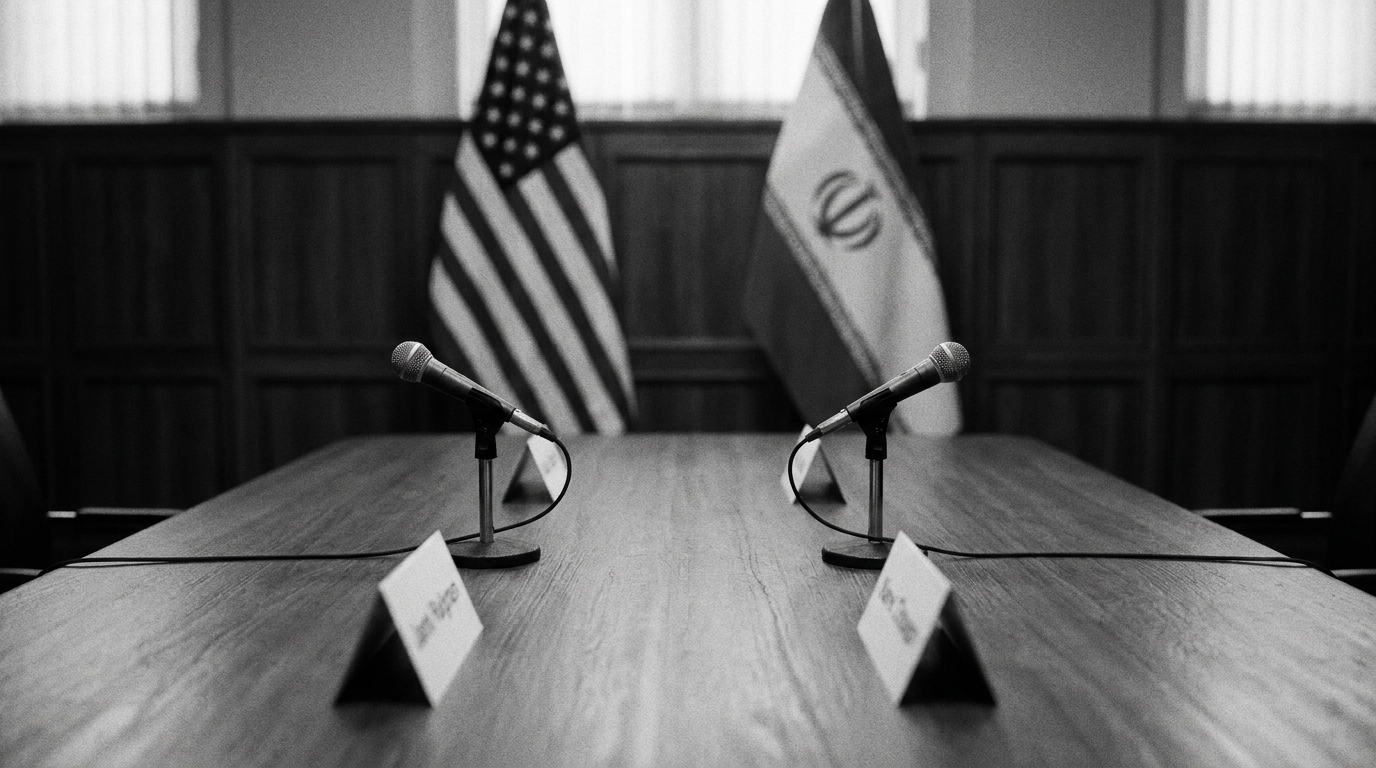
President Donald Trump spent a tense 24 hours issuing repeated threats of military strikes that officials say brought an end to a tentative ceasefire with Iran. Markets were watching oil and safe‑haven assets for spillovers; reaction pending.
Strait of Hormuz maneuvers
Officials said Iran persisted in asserting itself in the Strait of Hormuz despite the White House warnings, a dynamic that negotiators had been trying to cool. The White House said the threats were intended to deter further Iranian action, but officials acknowledged the measures did not produce an immediate stand‑down.
The episode grew from a short window of diplomatic engagement into a sequence of military warnings inside the White House, officials said. No independent casualty or strike data has been confirmed; the account rests on statements from administration representatives and maritime reports cited by officials.
If tensions escalate, oil prices and perceived geopolitical risk premiums could rise and push investors toward safe havens; if diplomacy is renewed, those moves could reverse. The immediate mechanisms are vessel transits through the Strait, military posturing, and public messaging from capitals that shift risk premia in energy and currency markets.
Expect the White House to issue further public statements by July 10, 2026, and monitor maritime traffic updates through that date for evidence of escalation or de‑escalation.