Trump Orders Aim to Ease Housing Regulations
Trump issued executive orders on March 13, 2026, to reduce housing regulations and boost mortgage access, amidst congressional efforts.
Lauren Collins ·
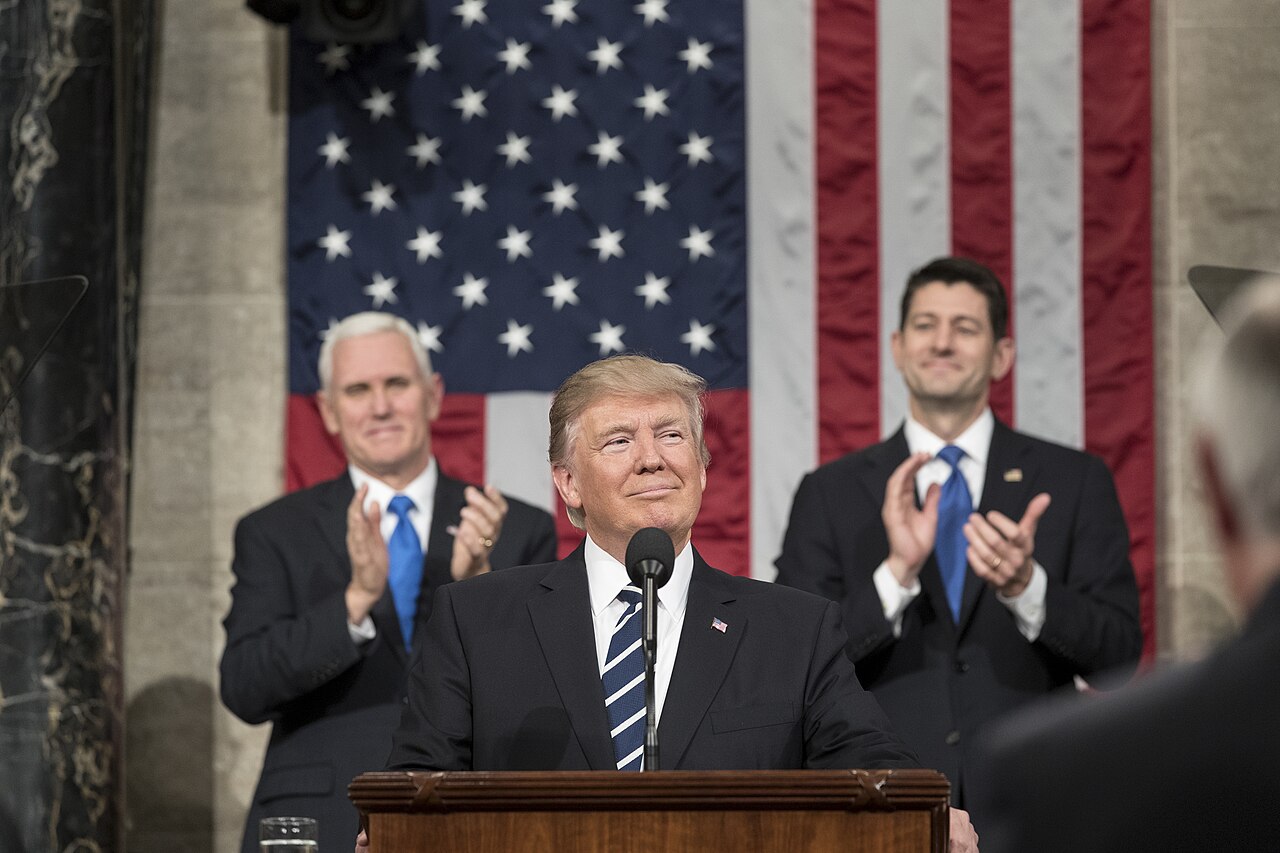
Former President Donald Trump issued two executive orders on Friday, March 13, 2026, targeting the reduction of regulatory obstacles to home construction and broadening mortgage accessibility across the United States. These directives instruct federal agencies to modify existing policies to streamline housing development and enhance mortgage credit availability, with a particular focus on community banks.
The actions coincide with ongoing legislative efforts in both the House and Senate to reconcile divergent bipartisan proposals aimed at improving housing affordability.
Regulatory Streamlining Efforts
One executive order specifically mandates the review and potential elimination of various federal requirements. These include environmental assessments, energy efficiency standards for manufactured and federally financed housing, and historical preservation guidelines. The objective is to reduce the administrative burden and associated costs that can impede new housing projects.
Financial Sector Directives
The second executive order directs the Consumer Financial Protection Bureau (CFPB) and other financial regulatory bodies to explore policy adjustments. These changes are intended to simplify compliance for smaller, community-focused banks, thereby encouraging increased lending for construction projects. Additionally, the order calls for updates to current appraisal standards, which could further facilitate housing market transactions.
Legislative Context and Challenges
These executive actions were taken amidst a complex legislative landscape. The Senate had previously passed a bipartisan housing bill, the "21st Century Road to Housing Act," with significant support, while the House of Representatives had also approved its own housing legislation. The two chambers are currently facing difficulties in merging their respective bills, highlighting the political complexities surrounding housing policy.
Key Disagreements in Congress
Significant points of contention in the congressional reconciliation process include a White House-negotiated provision that seeks to prohibit institutional investors from acquiring single-family homes. Another notable disagreement involves a House provision proposing a temporary ban on the Federal Reserve issuing digital currency until 2030.
The administration has publicly affirmed its support for the Senate-passed housing legislation, indicating its preferred direction for federal housing policy.
Broader Economic Implications
The executive orders reflect a broader strategy to address housing supply shortages and affordability challenges by reducing perceived governmental impediments. Proponents argue that easing regulations can stimulate construction, increase housing stock, and potentially lower costs for consumers. Critics often raise concerns about the potential environmental or historical impacts of such deregulation.
The long-term effectiveness of these orders will depend on their implementation by federal agencies and their interaction with ongoing legislative debates.
Outlook for Housing Policy
The interplay between executive actions and congressional initiatives underscores the multifaceted approach to housing policy in the U.S. While executive orders can provide immediate directives, comprehensive and lasting changes often require legislative consensus. The ongoing negotiations in Congress, particularly regarding investor involvement in housing and digital currency, will be critical in shaping the future trajectory of federal housing and financial regulations.
Implications
Country Impact: These executive orders could lead to a more streamlined housing development process across the U.S., potentially increasing housing supply. However, the impact on affordability will depend on the extent of regulatory changes and market responses.
Industry Impact: The construction and real estate sectors may experience reduced administrative burdens and potentially faster project approvals. Community banks could see increased opportunities in construction lending due to simplified compliance requirements.
Market Impact: The housing market could see an increase in new home inventory over time if regulatory easing proves effective. The debate over institutional investors in single-family homes and the Federal Reserve's digital currency plans could introduce volatility in related financial sectors.