Trump delays US tariffs decision before Xi trade summit
The US is expected to delay new tariffs until after President Trump meets Xi Jinping, keeping the threat available in trade negotiations.
Atlas Newsdesk ·
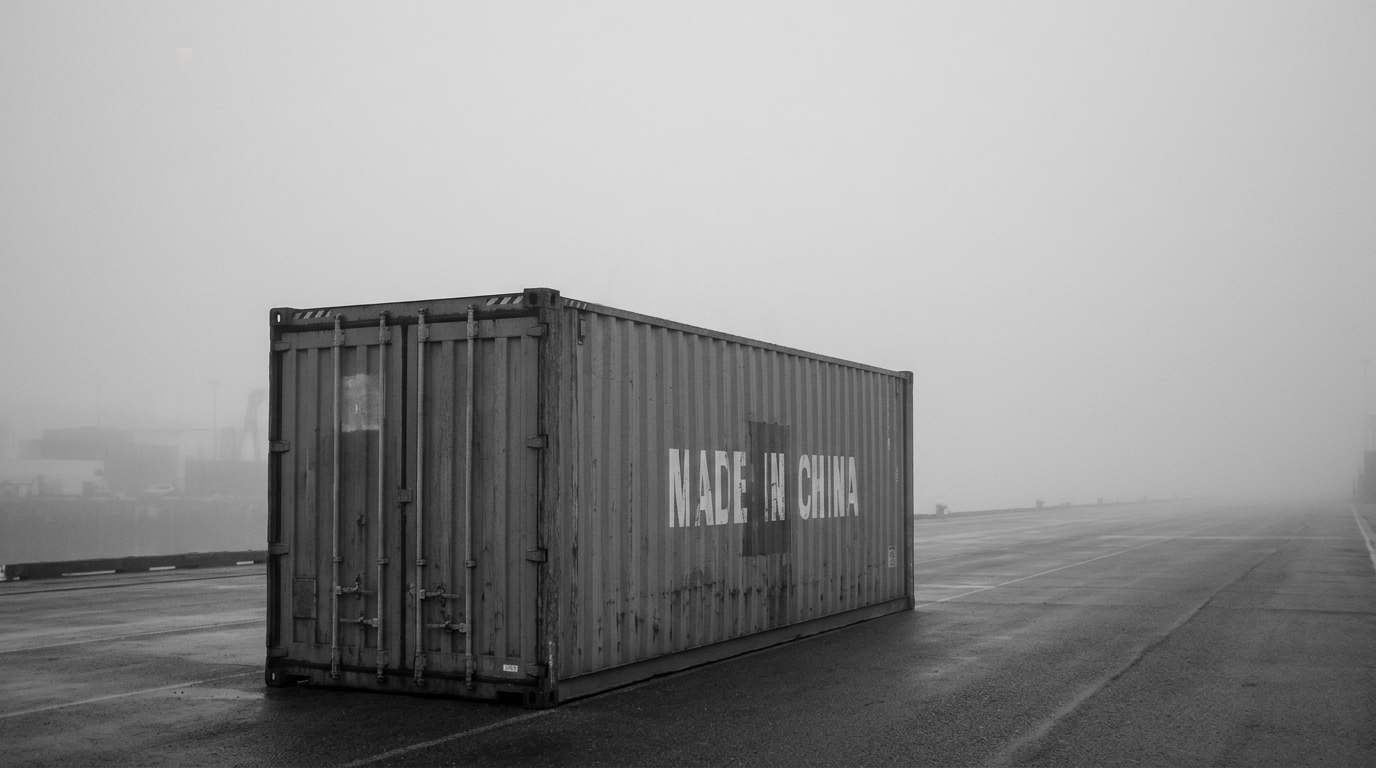
US tariffs on China are expected to stay on hold until after President Trump meets Xi Jinping next week. The delay keeps tariff threats in trade talks.
People familiar with the matter said the US is likely to wait before announcing new duties on China and other trading partners. The timing would preserve a tool President Trump has used repeatedly: warning of tariffs before seeking concessions from counterparts.
A 7.5% tariff report
The administration had planned to release a trade report before the meeting that would recommend a 7.5% tariff on Chinese goods, according to people familiar with the matter. The report concerned alleged excess capacity, a term often used in trade disputes over whether state support or surplus production is distorting global markets.
The 7.5% recommendation matters because it would lift President Trump’s second-term duties on China to around 20%, according to the people familiar with the matter. Beijing has previously said that an overall level around 20% is consistent with its trade truce with Washington, making the final rate a central detail in any announcement.
Tariff threats in reserve
The reason for the reported postponement is unclear, and no final tariff rate has been confirmed. The delay, as described by the people familiar with the matter, leaves the White House with room to decide whether to move before markets and companies receive a formal policy notice.
President Trump has often paired tariff warnings with negotiations, using the prospect of duties to press other governments for trade concessions. In this case, keeping a tariff report unreleased until after the Xi meeting would maintain pressure while avoiding a pre-summit step that Beijing could treat as escalation.
Importers face the first cost
The most direct business exposure would fall on companies that buy Chinese goods for the US market, since tariffs are collected at the border and can raise landed costs. Importers then decide whether to absorb the added expense, renegotiate contracts, shift suppliers, or pass costs to customers.
For manufacturers and retailers, the timing is as important as the rate. A delayed announcement gives companies more time to review purchase orders and inventory plans, but it also leaves them without a firm duty level for future shipments.
The sector effect would vary by dependence on Chinese supply chains. Industries with limited supplier alternatives would have less flexibility if new duties are imposed, while companies with diversified sourcing would have more options to reduce exposure.
Three paths after summit
If the postponement holds through the Trump-Xi meeting, the macro effect would be a temporary reduction in immediate tariff risk rather than a removal of it. For companies importing Chinese goods, the mechanism would be time: more days to plan, but no settled cost base.
If the administration proceeds with the 7.5% recommendation, the duty stack would move toward the around 20% level described by people familiar with the matter. That would increase customs costs for affected importers and could feed into sector pricing decisions, especially where margins are thin or contracts are short.
If the final rate changes from the previously expected level, the reaction would depend on the direction. A lower rate would ease the cost shock for importers and reduce pressure on supply chains; a higher rate would widen the adjustment required for companies and industries tied to China-facing trade.
The main open question is whether the tariff threat is used after the summit or folded into the talks without an immediate announcement. Until the administration releases a report or a formal tariff notice, the policy path remains tied to negotiations between Washington and Beijing.