Trump Announces Iran Deal Signing Set for Sunday
President Donald Trump announced an Iran deal is slated for Sunday signing, promising an immediate opening of the Strait of Hormuz.
Lauren Collins ·
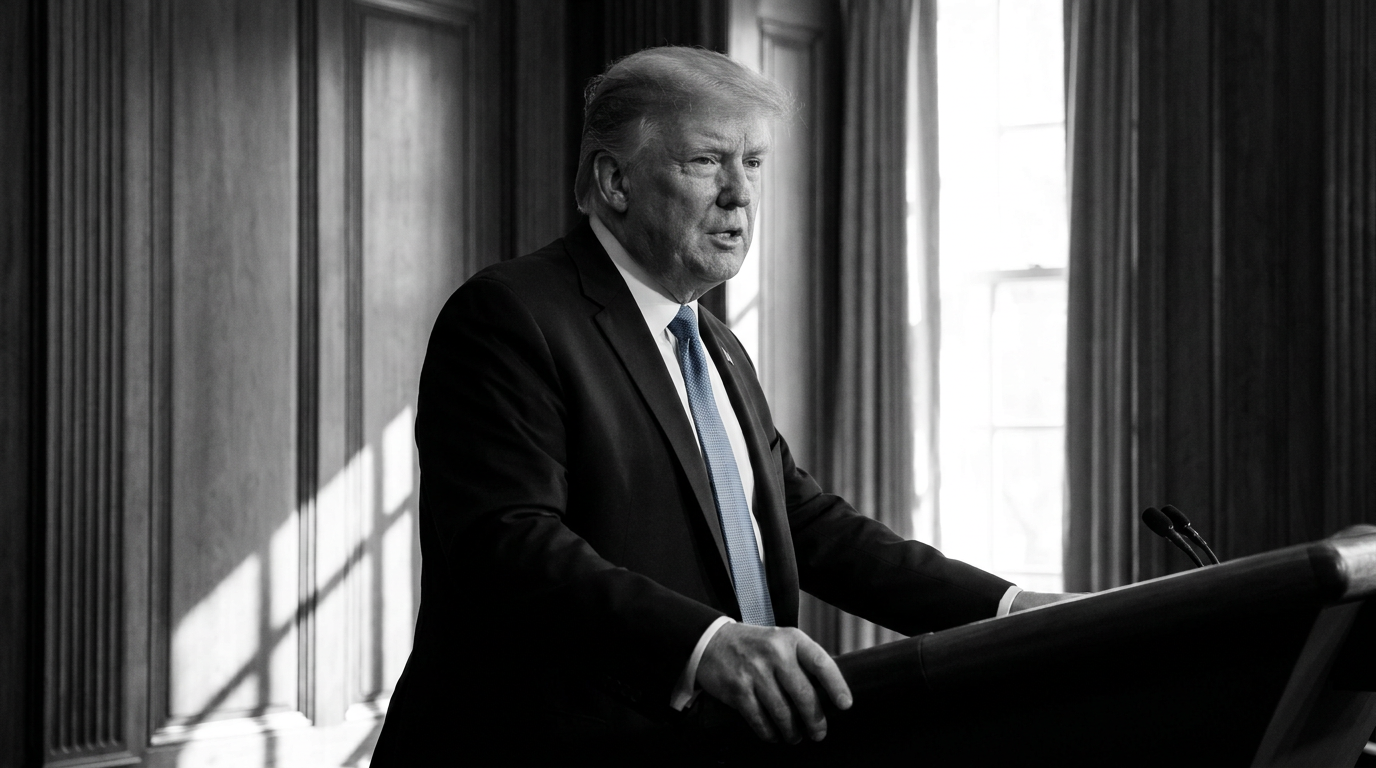
President Donald Trump stated on Saturday that an agreement with Iran is scheduled for signing on Sunday. This assertion surfaces after extensive negotiations that frequently oscillated between military threats and diplomatic overtures.
Trump, communicating via Truth Social, declared, “The Deal is scheduled to get signed tomorrow.” He further indicated that the Strait of Hormuz would be immediately “OPEN TO ALL” following the accord’s formalization.
Unconfirmed Details and Iranian Stance
Specifics regarding the agreement’s contents remain limited as presented by the President. However, Trump asserted that the deal would prevent Iran from acquiring nuclear weapons, whether “through purchase, development, or any other form of procurement.”
He also mentioned that the United States would eventually be involved in removing and destroying Iran’s existing nuclear material, which he termed “Nuclear Dust.” These details offer a glimpse into the administration's stated goals for the comprehensive accord.
Iran has not officially confirmed the existence or details of such a deal. While Iranian Foreign Minister Abbas Araghchi previously indicated on Friday that an agreement had “never been closer,” Iranian state-run media has at times characterized potential arrangements as a 60-day ceasefire extension.
This portrayal suggests a temporary measure for continued negotiations rather than a definitive resolution to the conflict. The differing interpretations highlight the complexities and potential misalignments between the negotiating parties.
Historical Context of Nuclear Containment
The prospect of a new agreement revisits a long-standing diplomatic challenge concerning Iran’s nuclear program. Previous international efforts, notably the Joint Comprehensive Plan of Action (JCPOA) from which the Trump administration withdrew, aimed to limit Iran's nuclear capabilities in exchange for sanctions relief.
This history underscores the difficulty in forging lasting agreements that satisfy all stakeholders' security interests and political demands. Any new deal’s success will hinge on its enforceability and the willingness of all parties to adhere to its terms.
Implications for Regional Stability
The potential opening of the Strait of Hormuz, a critical global oil transit choke point, carries significant economic and security implications. Easing tensions in this strategic waterway could affect international trade and regional stability.
The announcement comes at a juncture where geopolitical dynamics in the Middle East are highly sensitive. A definitive agreement could reset regional alignments and impact international energy markets, depending on its scope and the level of adherence by both signatory nations.