Trabzonspor Rejects Fatih Tekke's Resignation After European Exit
Following a loss to Ferencvaros in the UEFA Europa League, Trabzonspor management declined the resignation offer submitted by head coach Fatih Tekke.
Mehmet Şahinoğlu ·
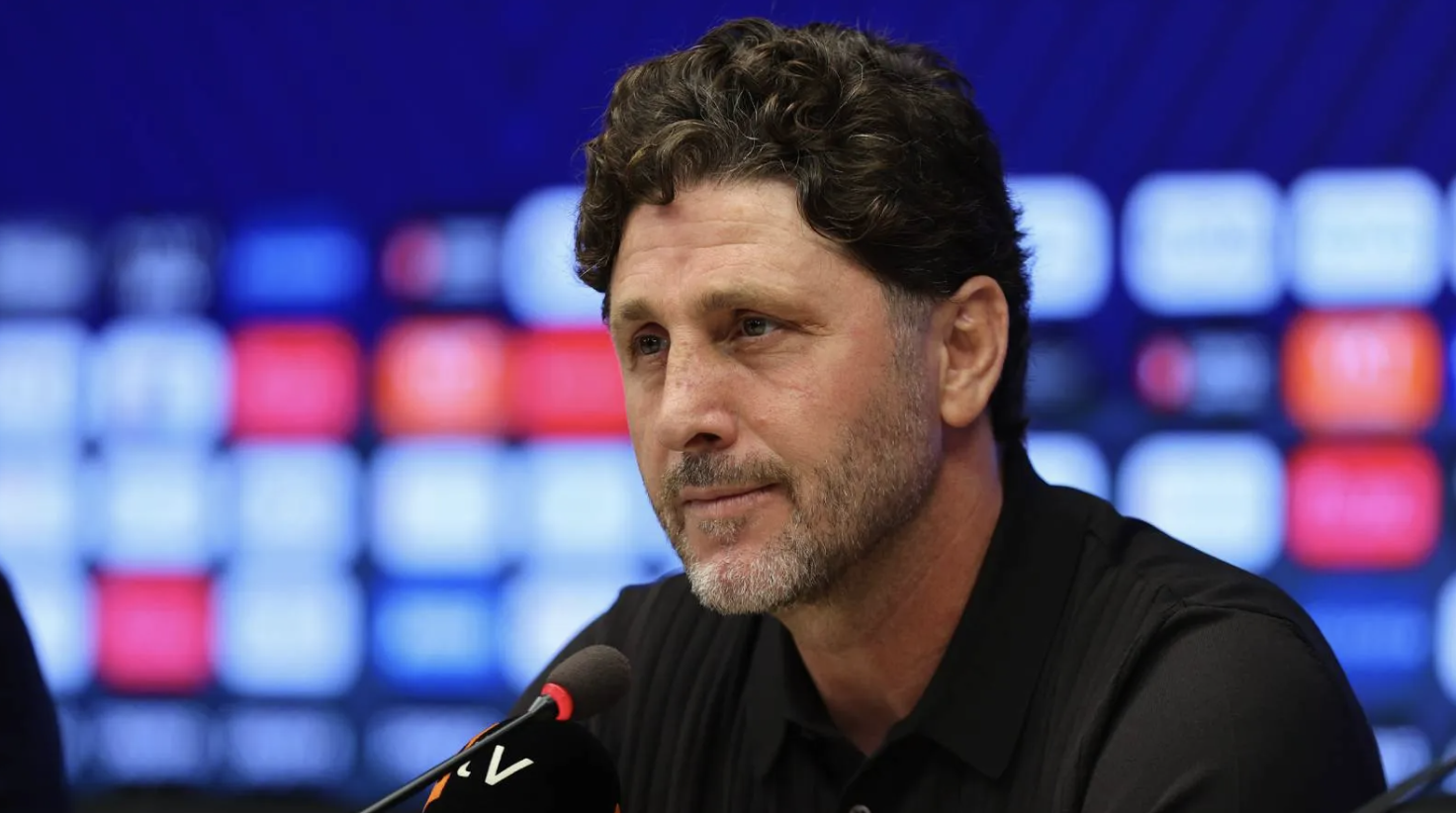
Management Maintains Current Technical Leadership
Trabzonspor officials have formally declined the resignation request submitted by head coach Fatih Tekke. This decision follows the club's elimination from the UEFA Europa League play-off round against Hungarian side Ferencvaros.
The move indicates that the club leadership prefers to maintain continuity within the coaching staff for the immediate future. By refusing the departure request, the administration has effectively paused any potential transition in the team's technical management.
Context of the Decision
The choice to retain the coach represents a departure from the immediate personnel changes often expected following significant competitive setbacks. While the resignation was offered, the club’s refusal suggests that the future of the coaching position remains under internal review rather than being finalized.
Specific details regarding the timing of the discussions or the exact governing body responsible for the decision remain undisclosed. Consequently, it is unclear whether this represents a long-term commitment or a temporary measure to stabilize the squad following the European exit.
Implications for Club Strategy
The timing of this development places increased pressure on the club's domestic planning. With the European campaign concluded, the team must now refocus its objectives entirely on league performance and internal scheduling.
The loss to Ferencvaros serves as a critical juncture for the organization. Failing to reach the group stages of the Europa League carries both financial and operational weight, forcing the club to balance squad management with the need for immediate results.
Uncertainties and Future Risks
Several questions persist regarding the permanence of this arrangement. It remains to be seen if Fatih Tekke will continue under the same conditions or if the club intends to implement adjustments to the broader technical staff.
One significant risk involves the potential for prolonged uncertainty. If the decision-making process remains unresolved, it could impact the morale of the players and the expectations of the fanbase as the team prepares for upcoming fixtures.
Ultimately, the club faces a scenario where they must either validate their decision through improved performance or revisit the coaching situation based on future match outcomes. The immediate focus for observers will be whether Tekke leads the team in the next scheduled match and if the club provides further clarity on their long-term strategy.