Toyota Recalls 550,000 US Highlander Vehicles
Toyota is recalling 550,007 US Highlander and Highlander Hybrid vehicles from 2021-2024 due to a faulty second-row seat-back mechanism.
Ayla Demirhan ·
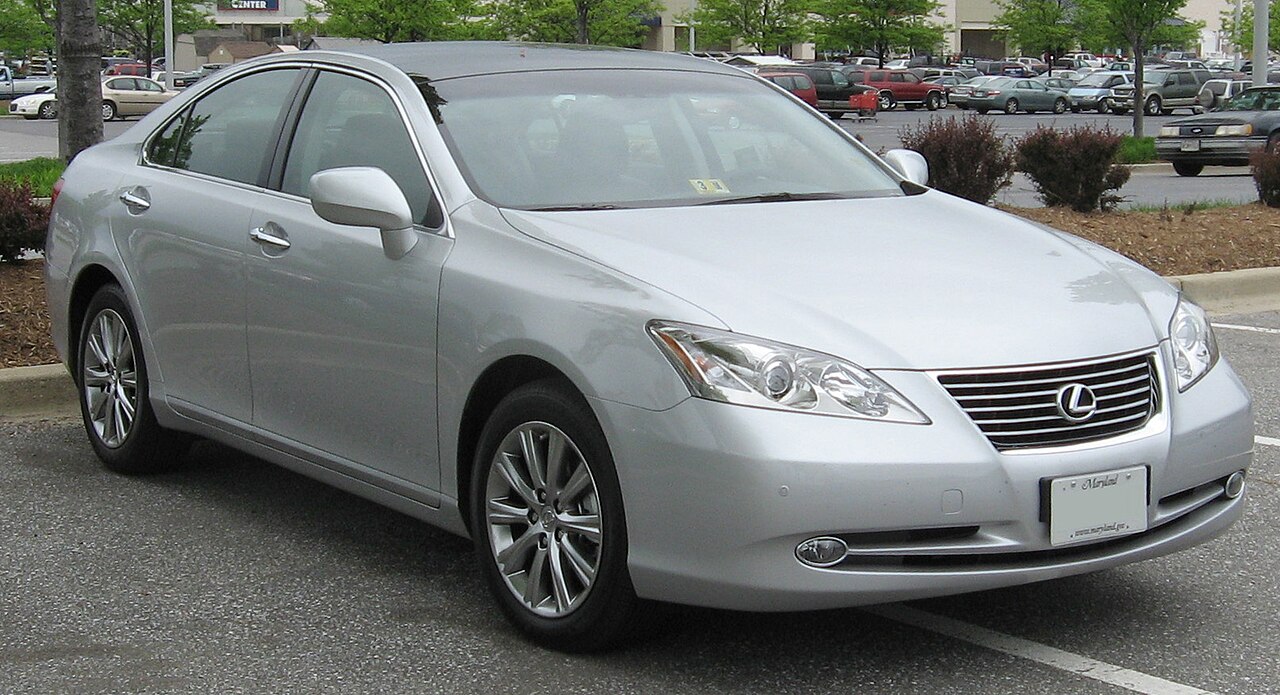
Toyota Motor Corporation has initiated a significant recall affecting over half a million vehicles in the United States. The action, announced on Wednesday, March 11, 2026, addresses a potential safety defect in the second-row seat-back mechanism of specific Highlander and Highlander Hybrid models.
This recall impacts 550,007 units across the 2021-2024 model years. The core issue centers on the return springs within the seat-back recliner assemblies, which may not adequately secure the seat in an upright position after adjustment. This malfunction could lead to an increased risk of injury for occupants in the event of a sudden stop or collision.
The U.S. National Highway Traffic Safety Administration (NHTSA) identified and highlighted this safety concern. Unsecured seat-backs pose a direct threat to passenger safety, as they may not provide the intended restraint during vehicle operation.
Toyota dealerships nationwide will perform the necessary repairs without cost to vehicle owners. The corrective measure involves replacing the faulty return springs in the affected seat-back recliner assemblies. This proactive step aims to restore the proper locking function of the second-row seats, thereby mitigating the identified safety risk.
Automotive recalls are a standard procedure when manufacturers or regulatory bodies identify potential safety hazards in vehicles already on the road. Such actions are crucial for maintaining consumer confidence and ensuring compliance with safety standards. The scope of this particular recall underscores the importance of rigorous component testing and quality control in vehicle manufacturing.
For owners of the affected Highlander and Highlander Hybrid models, receiving notification from Toyota will be the first step. Following the notification, scheduling an appointment with an authorized dealership will allow for the timely resolution of the seat-back issue, ensuring the safety of all passengers.
This incident highlights the continuous scrutiny applied to vehicle safety by both manufacturers and government agencies. The prompt identification and rectification of such defects are paramount in the automotive industry to prevent potential accidents and injuries.
Implications
Country Impact: The recall impacts a significant number of vehicles across the United States, potentially leading to widespread dealership visits for repairs. This could temporarily strain service departments and affect consumer perception of vehicle safety.
Industry Impact: This event underscores the ongoing challenges in automotive manufacturing quality control and the importance of regulatory oversight by bodies like NHTSA. It may prompt other manufacturers to review similar seat-back mechanisms.
Market Impact: While unlikely to have a major long-term impact on Toyota's stock, large-scale recalls can sometimes cause short-term dips in investor confidence or affect brand reputation if not managed effectively. The cost of repairs will be borne by Toyota.