Tour de France Final Stage Shortened Due to Wildfire Security Rethink
The final stage of the Tour de France is shortened to 89km to allow security forces to assist with emergency wildfire response efforts in France.
Mehmet Şahinoğlu ·
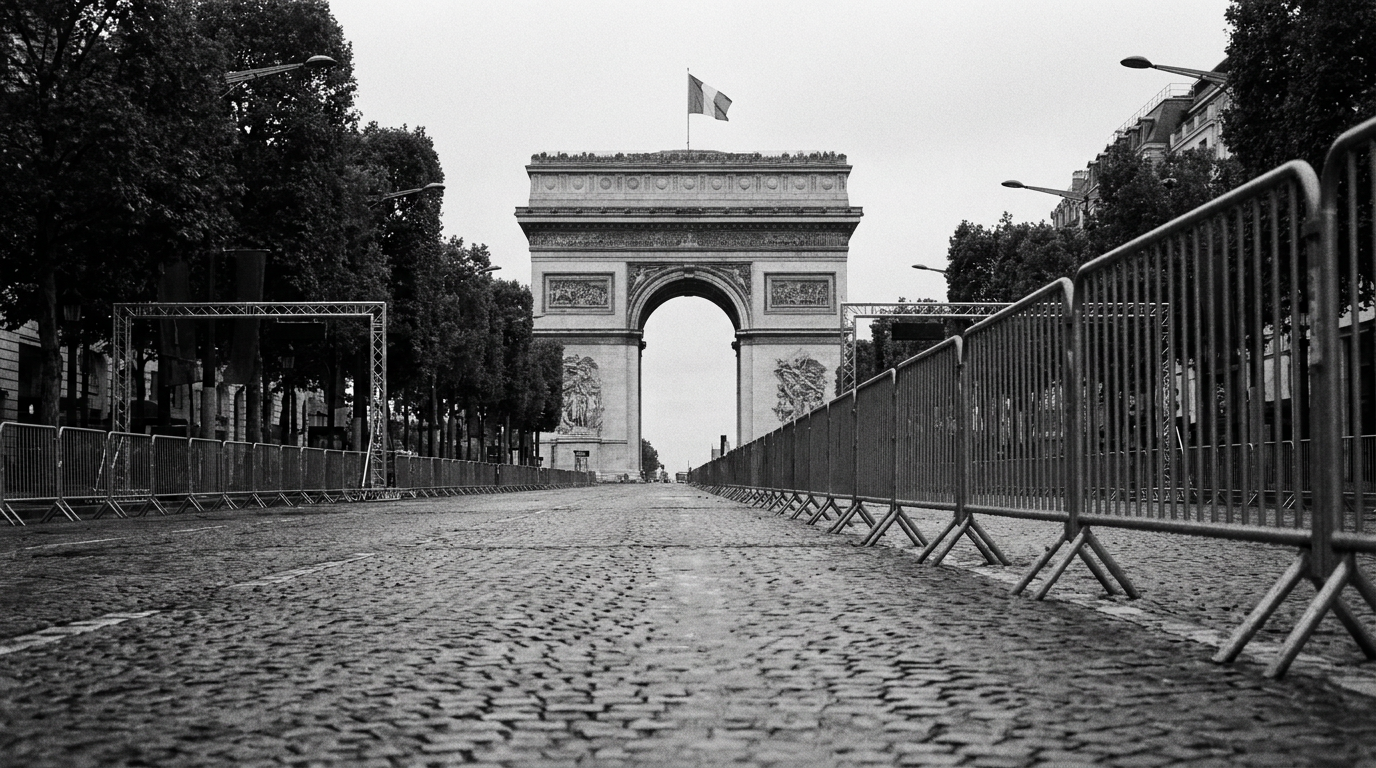
Organizers of the Tour de France have shortened the final stage of the race, scheduled for July 26, 2026, due to severe wildfires across southwestern France. Security personnel typically assigned to the race have been reallocated to combat the blazes. The traditional stage 21 route, originally planned for 133 kilometers, has been significantly reduced to 89 kilometers, with the new starting point set directly at the Champs-Élysées.
The Amaury Sport Organisation confirmed this decision after receiving a directive from the French Ministry of the Interior. The redeployment of internal security forces aims to reinforce emergency response efforts in the Gironde region. Over 267,000 residents in France and Spain have been evacuated because of the wildfires, with Bordeaux Airport closed and restrictions imposed on regional transport, underscoring the severity of the environmental crisis.
Route Adjustments for Public Safety
Despite these significant logistical changes, the prestigious race will still conclude on the Champs-Élysées. The revised route now incorporates additional circuits and includes the challenging Montmartre climb. This adjustment follows previous disruptions in the race, where sections of stage 3 were restricted to fans due to similar fire-related safety concerns, demonstrating a consistent priority for public safety.
Slovenia's Tadej Pogačar is poised to secure his record-equaling fifth Tour de France title as the event nears its conclusion. The inclusion of the Montmartre circuit, which proved popular during the 2024 Paris Olympics and was added to the 2025 Tour de France, aims to maintain spectator engagement amidst the necessary modifications and ensures a compelling finish.
Broader Implications of Environmental Challenges
The situation in France and Spain highlights the increasing impact of environmental emergencies on major international events. The diversion of security resources to address the wildfires reflects a broader shift in priorities, where public safety and environmental protection now take precedence over traditional event logistics. The Tour de France, as a globally televised spectacle, faces unique challenges in adapting to such unpredictable circumstances.
Organizers will continue to monitor the situation, and future event planning is expected to incorporate lessons learned from this year's necessary modifications, focusing on resilience and adaptability in the face of ongoing environmental challenges.