UK to close 13 asylum hotels this week
UK to close 13 asylum hotels this week, taking 2026 closures to 44 as ministers push to end hotel use by parliament’s end.
Lauren Collins ·
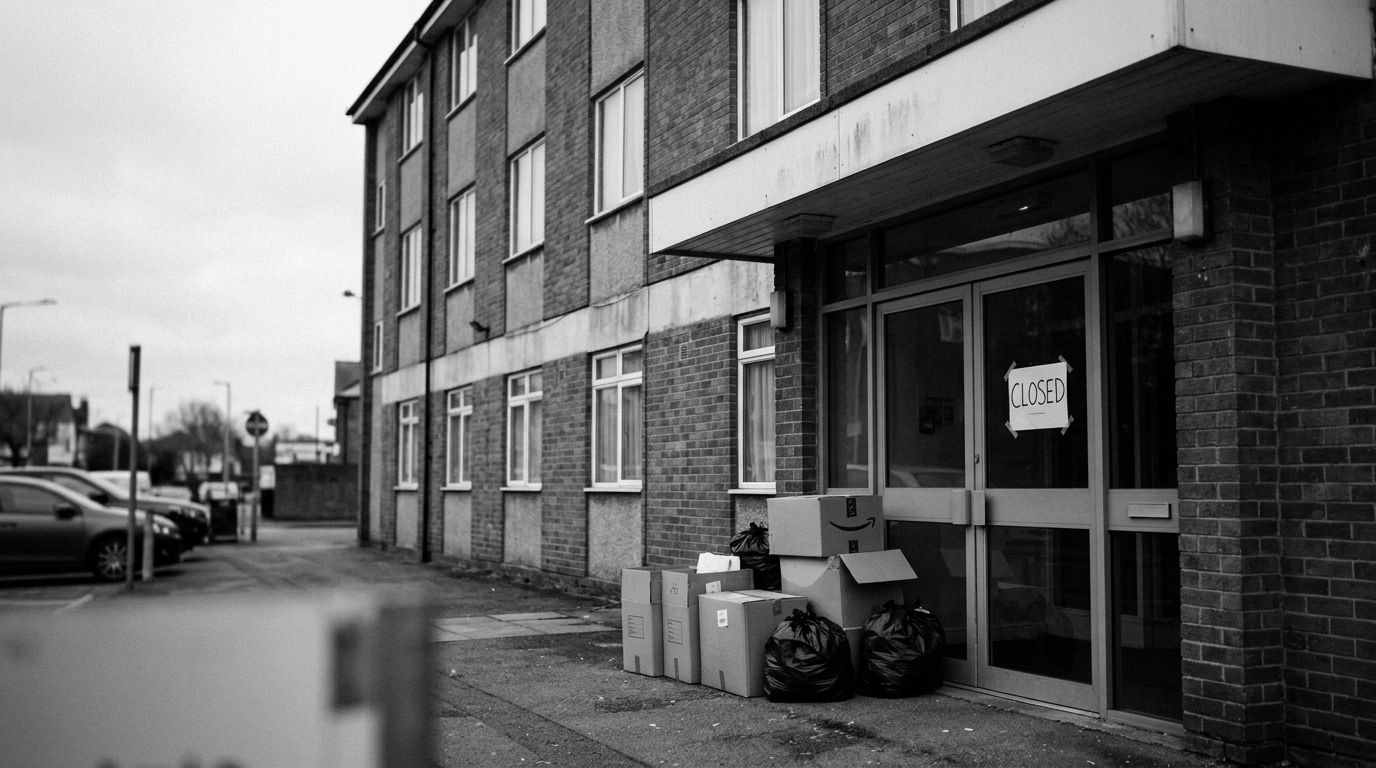
The UK government said it will stop using 13 more hotels to house asylum seekers this week, describing the step as part of a plan to end hotel accommodation by the end of the current parliament.
The Home Office said the latest round of closures takes the number of hotel sites shut so far this year to 44. It added that fewer than 160 hotels remain in use.
Government’s shift away from hotel accommodation
Immigration Minister Anna Turley confirmed the latest closures Officials framed the move as part of a broader effort to cut costs while moving people into longer-term accommodation. Immigration Minister Anna Turley confirmed the latest closures. The government said it has set out a pathway to phase out hotel-based housing as existing arrangements come to an end. Officials said the approach aligns with Labour’s stated aim to eliminate the use of hotels for asylum accommodation within this parliament. Cost figures cited by ministers Ministers pointed to a large cost gap between hotels and other accommodation types. The government said it is spending about 144 pounds per night per person on hotel accommodation.
The UK
By comparison, it put dispersal housing at 23.25 pounds, citing examples such as houses of multiple occupancy. Officials said they are seeking to relocate people currently in hotels into alternative sites.
Relocations and alternative sites under review
Officials said the alternatives include dispersal housing and former military barracks. Alongside the shift away from hotels, the government said it is working to expand capacity at former military sites as hotel contracts expire.
It identified Bicester Garrison and RAF Barnham among the locations where additional capacity is being pursued. Officials also acknowledged that relocations can create practical disruption for residents.
Service continuity and risks flagged by auditors
Officials said moving residents can mean people have to restart legal, education, and support arrangements in their new locations. The government said its approach therefore includes managing continuity of services while accommodation changes are implemented.
The Audit Office has cautioned that the upfront costs of setting up barracks could be high enough to offset some of the expected savings from moving people out of hotels. Officials have presented the changes as cost-driven, but the scale and timing of initial spending was highlighted as a factor in whether savings are realised as planned.
Officials also pointed to uncertainties around whether enough dispersal housing will be available as more hotel contracts end, and how quickly alternative sites can scale capacity without weakening projected cost benefits. The government said the immediate next step is to close the 13 additional hotel sites this week while continuing to transition remaining residents into dispersal housing and other accommodation options.