Iran's Executions Surge Amidst Dissent
Iran has significantly increased political executions since late February, using capital punishment to suppress dissent amidst internal and external pressures.
Lauren Collins ·
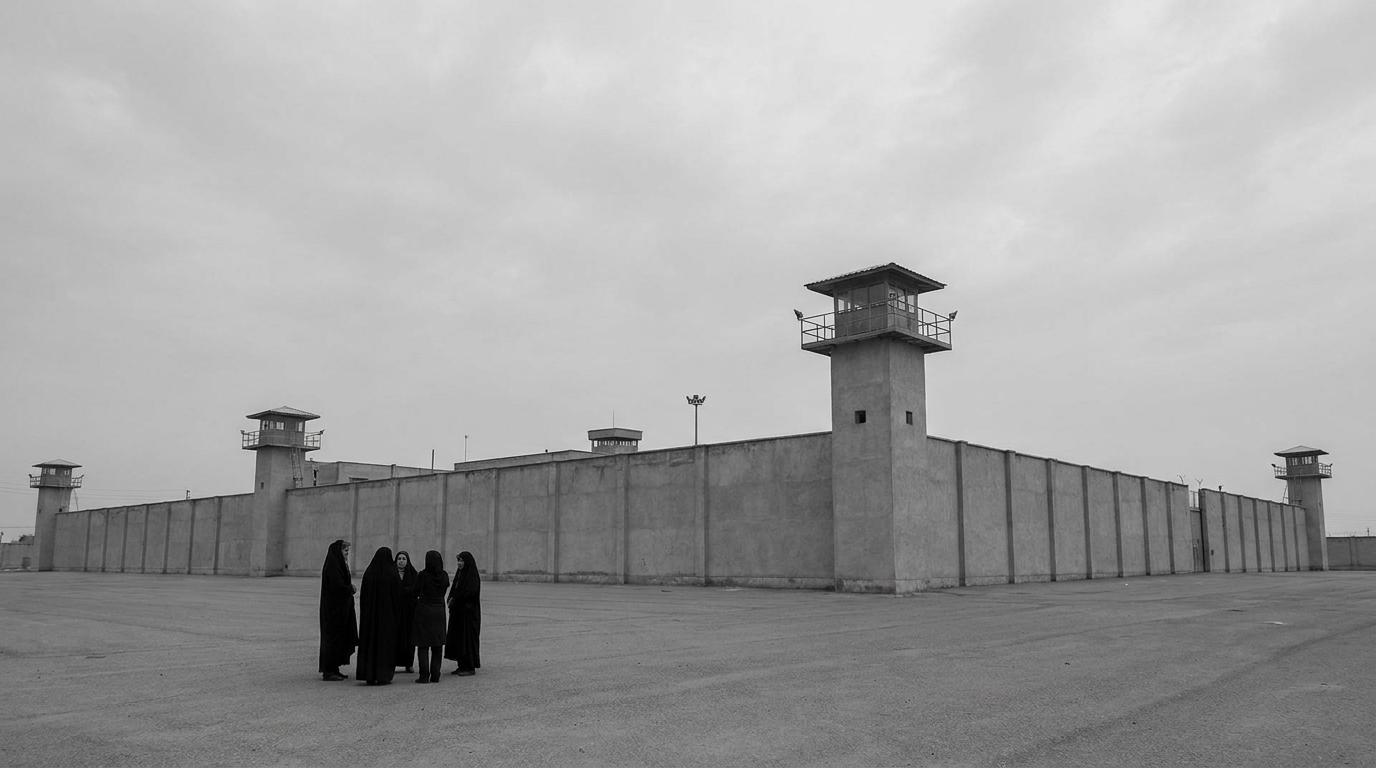
Iran Increases Political Executions
Iranian authorities have significantly increased executions of individuals on political and security charges since late February, following a period of heightened internal and external pressures. The United Nations Human Rights Office verified at least 32 such executions since February 28, marking a sharp rise compared to 45 politically-motivated executions recorded by Amnesty International for the entirety of 2025.
This surge indicates an intensified use of capital punishment as a tool for political repression.
The executions often involve charges such as spying for foreign entities or affiliation with opposition groups. For instance, Mehrab Abdollahzadeh, arrested in 2022 during nationwide protests, was executed earlier this month on charges related to the killing of a Basij militia member.
Similarly, Sasan Azadvar, a 21-year-old, was executed last month for "waging war against God" and "effective collaboration with the enemy" after participating in January protests. Human rights organizations report concerns over forced confessions, lack of fair trials, and disproportionate targeting of minorities.
This escalation in executions follows a year where Iran carried out 2,159 executions in 2025, the highest number since 1989, predominantly for drug-related offenses or murder. The current trend suggests a strategic deployment of the death penalty to reassert authority and suppress dissent amidst ongoing internal unrest and geopolitical tensions. The UN Human Rights Office has expressed concern that many executions are conducted secretly, further obscuring the true scale of the practice.