White House Plans New Underground Security Facility
The White House plans a 33,000-square-foot underground security facility in D.C., with construction from 2026-2028, to enhance visitor screening.
Lauren Collins ·
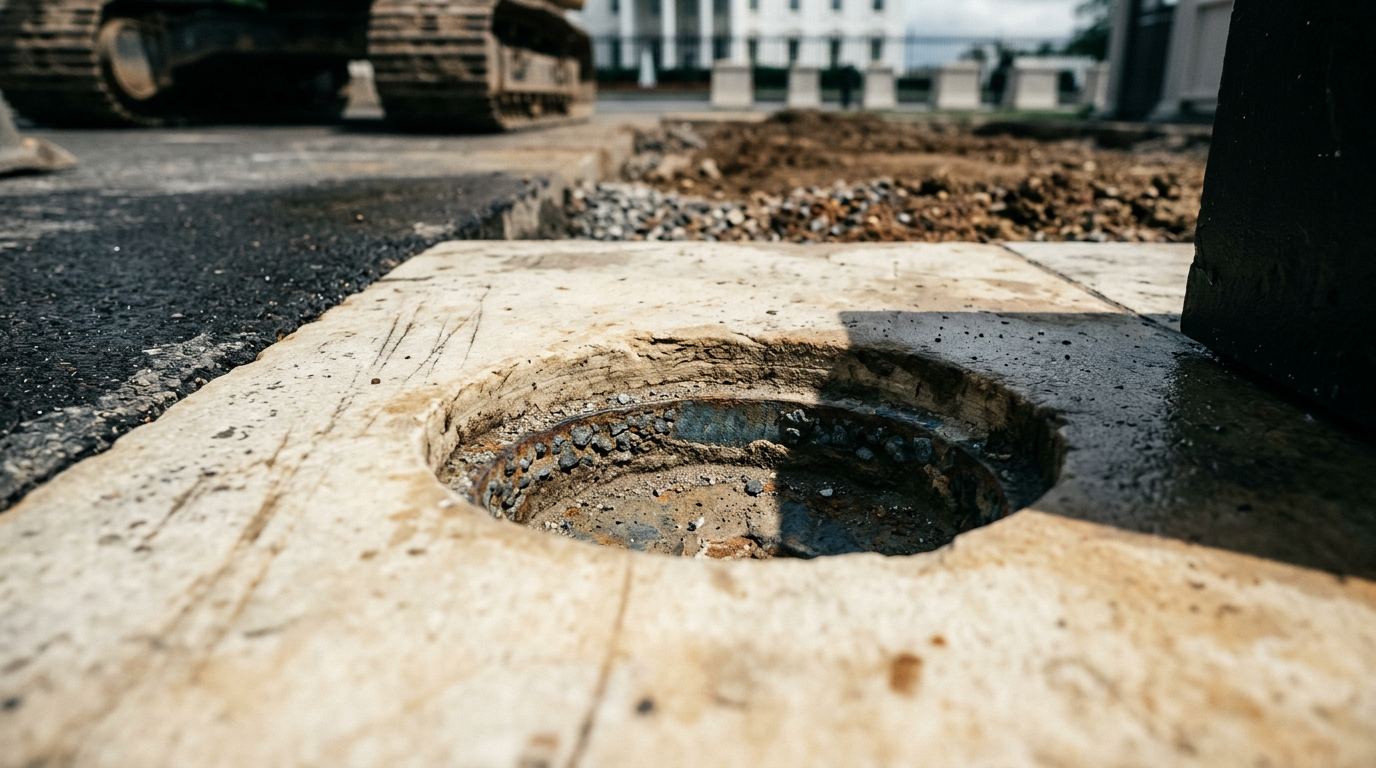
The White House is advancing plans for a new underground security screening facility designed to streamline visitor access and enhance safety measures. This substantial project, spanning 33,000 square feet, is slated for construction beneath Sherman Park in Washington D.C., southeast of the executive mansion.
Officials anticipate construction could commence in August 2026, with a projected completion date in July 2028. The initiative aims to modernize the security process for White House visitors, replacing existing temporary screening points and reducing wait times.
Project Scope and Location
The proposed facility will incorporate seven screening lanes, significantly increasing throughput for guests. Its strategic placement underground ensures minimal disruption to the historic landscape of Sherman Park, including the preservation of the monument to Union Gen. William Tecumseh Sherman.
Currently, visitors undergo security checks in the vicinity of Lafayette Park. The new center is intended to consolidate and improve these operations, offering a more efficient and secure entry point for all White House guests.
Collaborative Development and Oversight
This security upgrade is a joint undertaking involving several key government entities. The Executive Office of the President, the U.S. Secret Service, and the National Park Service are collaborating on the project's development and implementation.
The National Capital Planning Commission is scheduled to review the proposal at its April 2 meeting, a critical step in securing necessary approvals for the construction. This review process ensures adherence to urban planning and historical preservation guidelines for the nation's capital.
Historical Context of White House Security
Security enhancements around the White House have been an ongoing concern, particularly following various incidents throughout its history. The current plans represent a continuation of efforts initiated during the Trump administration to overhaul and improve the overall security infrastructure of the White House grounds.
Previous temporary structures for visitor screening have been utilized to manage the flow of guests while maintaining security protocols. The new permanent facility is expected to provide a more robust and aesthetically integrated solution for these critical functions.
Implications for Public Access and Operations
The completion of this underground facility is expected to significantly improve the visitor experience by reducing congestion and wait times, making White House tours and events more accessible. Simultaneously, it will bolster the operational capabilities of the U.S. Secret Service in protecting the presidential residence.
This development underscores the continuous evolution of security measures at high-profile government locations, balancing public access with paramount safety requirements. The project reflects a long-term investment in the security and functionality of one of the world's most iconic political landmarks.
Implications
Country Impact: The project signifies a continued national investment in federal security infrastructure, reflecting ongoing efforts to protect high-value government assets and personnel. It also impacts the public's interaction with national landmarks, balancing access with safety.
Industry Impact: The construction sector, particularly firms specializing in secure government facilities and underground infrastructure, stands to benefit from this multi-year project. It also highlights demand for advanced security screening technologies.
Market Impact: While direct market impact is limited, government infrastructure spending can provide localized economic stimulus. The project's long timeline suggests stable, albeit contained, demand for construction materials and labor in the D.C. area.