Trump orders early end to Ulchi Freedom Shield drills
Trump ordered Ulchi Freedom Shield drills cut short on August 25, 2025, as a diplomatic signal to Kim Jong Un, officials and reports said.
Atlas Newsdesk ·
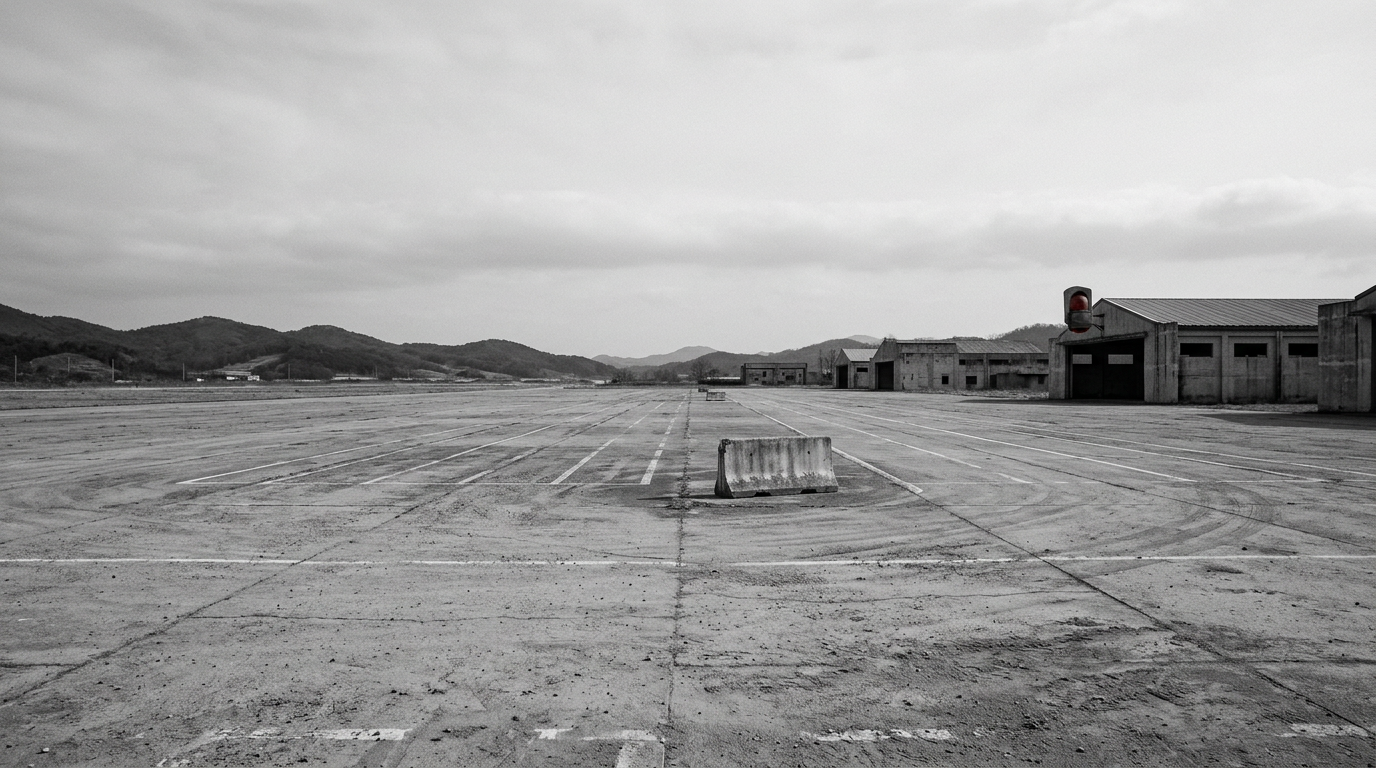
US President Donald Trump ordered an immediate cutback and early end to the annual Ulchi Freedom Shield military exercise in South Korea, officials and reports said. The directive was issued on August 25, 2025, after the drills had already begun and with the exercise previously set to run through August 27.
Officials and reports said the order required changes during the exercise window rather than before the program started. The revised timetable and overall scope were scaled back under Trump’s instruction, altering how the two allies carried out training while the event was underway.
Ulchi Freedom Shield schedule and phases altered mid-exercise Ulchi Freedom Shield schedule and phases altered mid-exercise Ulchi Freedom Shield is built around combined planning Ulchi Freedom Shield is built around combined planning and execution between allied forces. In this case, the decision changed the conduct of the exercise midstream, with reductions affecting both timing and the types of combined activities conducted. Reports said the revised plan removed key phases of the joint exercise. The counteroffensive phase was dropped, and most combined field training was taken out of the schedule, according to the source material. As a result, the drill was effectively shortened after its defensive phase, which had concluded on August 21. Officials and reports indicated that the cutbacks modified the operational posture normally associated with the annual drills.
White House presents move as signal to North Korea US President Donald Trump The White House framed the scale-back as a gesture intended to support diplomatic engagement with North Korean leader Kim Jong Un. The decision was described as an effort to ease the atmosphere for talks, according to the source material. The scale-back followed Trump’s public comments expressing dissatisfaction with the cost and the necessity of joint maneuvers, as described in the available information. Security analysts characterized the decision as unilateral, and reports said it was announced without prior consultation with Seoul. Analysts cite readiness, deterrence, and alliance-management concerns Security analysts cautioned that removing major parts of the exercise could weaken interoperability built through decades of combined training. They said reducing joint field components may limit practical chances to operate together using shared procedures. Analysts also warned the reduction could create a strategic vacuum that may weaken deterrence while North Korea continues to modernize its capabilities. The available information did not specify which capabilities were involved, provide a modernization timeline, or include any assessment from North Korean officials.
Uncertainty over Seoul’s response and next steps
Observers flagged potential political fallout in South Korea Observers flagged potential political fallout in South Korea, arguing that concessions involving joint exercises can affect public and political confidence. They also said the episode could raise questions about the longer-term reliability of the US security commitment, as characterized in the source.
It remains unclear how South Korean officials will formally respond, whether other joint activities will be adjusted, or what specific diplomatic steps the Trump administration expects to follow from the scale-back. Officials have not detailed how the alliance will manage any readiness gaps created by the removed phases, based on the information provided.