Vikings name Nolan Teasley GM as O’Connell’s influence shapes direction
Nolan Teasley has been appointed General Manager of the Minnesota Vikings, with Head Coach Kevin O’Connell significantly involved in the selection process.
Mehmet Şahinoğlu ·
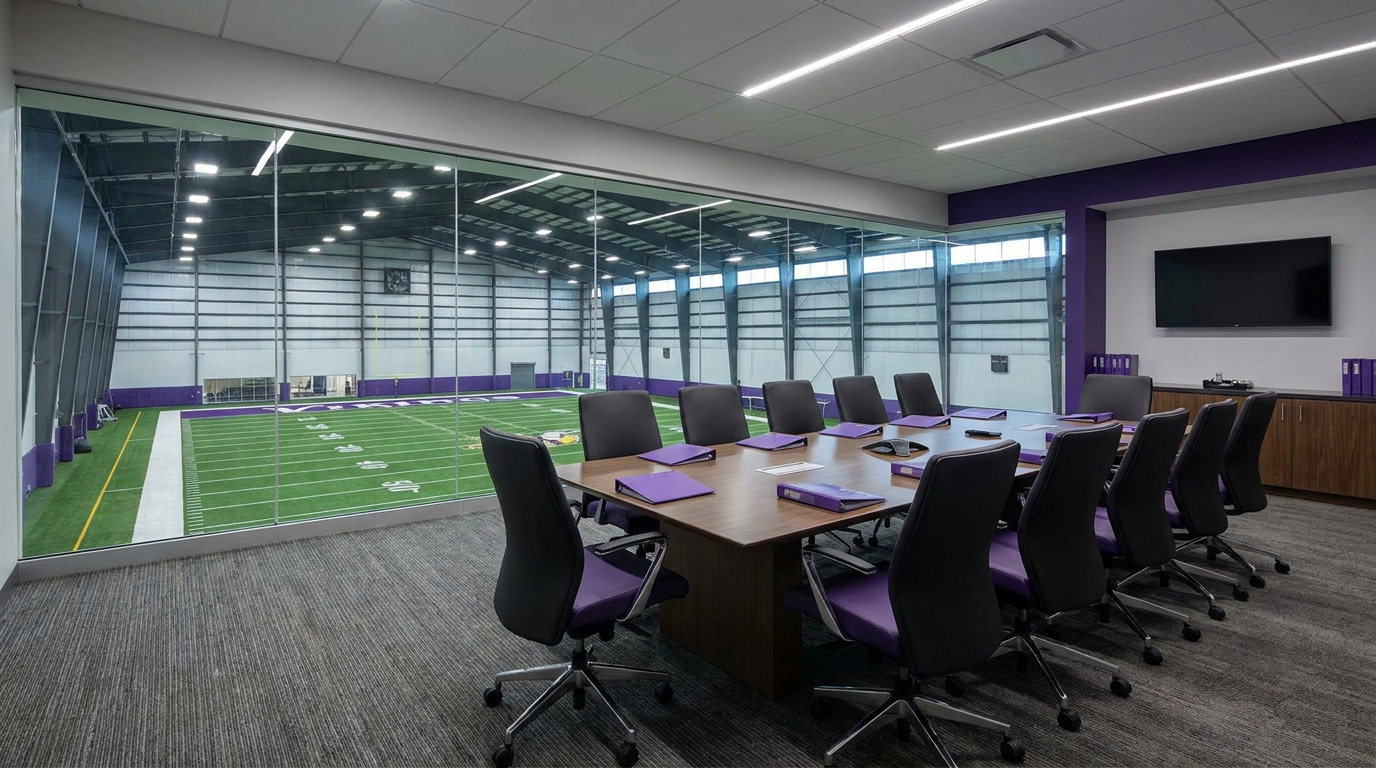
The Minnesota Vikings appointed Nolan Teasley as general manager earlier this month, succeeding Kwesi Adofo-Mensah and resetting the club’s front-office structure. Head coach Kevin O’Connell played a significant role in the search, and the organization is emphasizing tight alignment between the coach and GM as it charts its next phase.
Team officials want philosophical unity across scouting, roster construction, and on-field execution, a dynamic many NFL teams view as decisive for long-term stability.
Reports indicated ownership leaned on O’Connell and chief operating officer Andrew Miller to narrow the candidate pool, underscoring the club’s push for cohesion between the sideline and the front office. The early test for Minnesota will be whether day-to-day decisions reflect that shared vision and whether both leaders keep operating in lockstep if results fluctuate.
The franchise has framed this shift as a way to avoid familiar pitfalls that emerge when coaching priorities diverge from roster building. Strong coach–GM partnerships tend to withstand losing streaks, injuries, and other stress points without devolving into blame. The Vikings aim to align communication and authority so that strategy holds under pressure as well as it does in calmer stretches.
How Minnesota plans to align football operations
Shared player profiles and development timelines
In practice, alignment means the front office and coaching staff agree on player archetypes, scheme fits, and realistic timelines for development. General managers shape draft and free-agency strategy and manage the salary cap, while coaches define system demands and player usage. When those tracks run together, recruitment, scouting, and on-field implementation reinforce one another.
Decision rights and communication cadence
When alignment frays, roster moves can undercut scheme goals, and poor stretches can trigger second-guessing in both directions. Minnesota’s new structure is designed to minimize those tensions by clarifying decision rights and keeping messaging consistent from the locker room to the boardroom. That clarity can help the team respond faster to setbacks and stay on plan through the full season.
O’Connell’s role raises accountability and expectations
Search involvement sets shared priorities
Because O’Connell helped shape the search, expectations are higher that he and Teasley will share priorities on roster building, player development, and resource allocation. The more both leaders own the process, the less room there is for competing agendas to surface during difficult stretches.
Translating intent into repeatable process
Teasley’s appointment brings change in the front office while maintaining continuity on the sideline. The key for Minnesota will be turning stated alignment into daily practice—shared scouting language, regular decision checkpoints, and clear dispute-resolution mechanisms—so short-term turbulence does not derail long-term plans.
The coming months will show how quickly the new partnership establishes its cadence and whether the organization’s unified approach holds as key roster decisions arise throughout the year.