Google Play Opens Doors to Rival App Stores in Landmark US Shift
Google Play now lists third-party app stores in the US after a 2024 antitrust ruling, starting with Aptoide and potential wider rollout.
Atlas Newsdesk ·
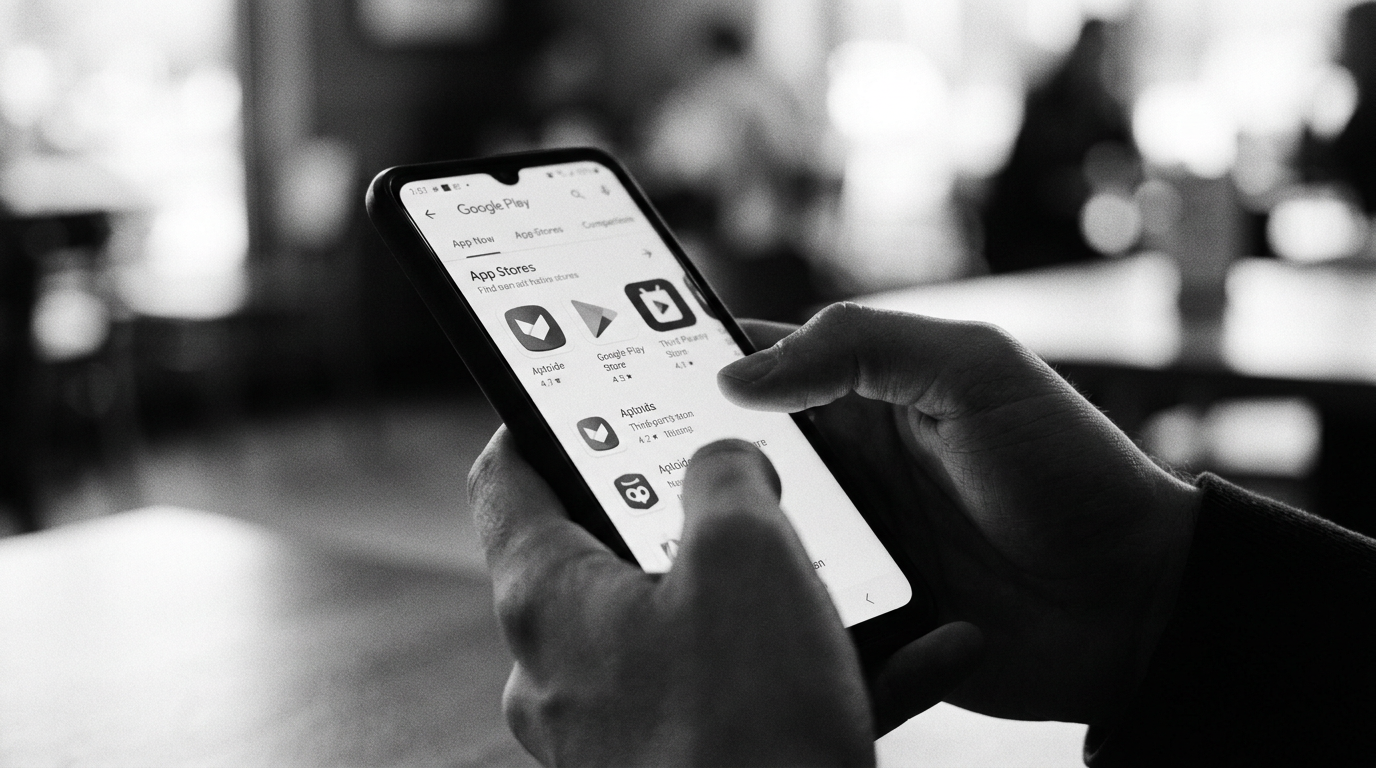
Google has started allowing third-party digital storefronts to be distributed through Google Play in the United States, a move that lets Android users download competing app stores directly from the official marketplace.
Until now, accessing alternative stores typically required sideloading apps or relying on pre-installation by device makers. The new approach changes that flow by placing rival storefronts inside the same channel many users already trust for app downloads.
Shift follows 2024 antitrust court ruling Officials said the change follows a 2024 judicial Officials said the change follows a 2024 judicial ruling in an antitrust case that required Google to open Android to alternative app distribution channels. The ruling set the backdrop for a policy shift that reduces the barriers for competing storefronts to reach users. By moving distribution of rival stores into Google Play itself, the company is implementing a model that was previously limited by technical friction and user hesitancy around sideloading. The result is a more direct route for third-party stores to compete for downloads and developer participation. Aptoide becomes the first third-party store listed The first third-party app store included under the new approach is Aptoide, signaling what the company described as the start of a broader transition toward a more decentralized Android app ecosystem.
Google has indicated that broader availability beyond the The immediate scope remains limited to the U.S. market, according to the information provided. Google has indicated that broader availability beyond the United States is under consideration, but no timeline or confirmed expansion plan was included.
Implications for platform control and revenue models
The arrival of rival storefronts inside Google Play carries direct implications for mobile platform governance and established revenue structures tied to software distribution. It also introduces a new competitive pathway for companies that want to control how apps are discovered, installed, and updated on Android devices.
The availability of third-party stores could ease market entry for larger competitors, including potential storefronts connected to gaming companies or hardware-focused firms. Such storefronts may seek to build their own distribution relationships with users and developers, creating pressure on Google’s role as the default gatekeeper for Android app distribution.
Another area affected is in-app payment processing. With alternative storefronts able to reach users through Google Play, developers and platform operators may face new choices about how payments are handled and which policies apply, depending on where an app is obtained.
Global rollout remains uncertain, raising fragmentation risk Because the current implementation is limited to the United States, developers with international audiences may face different distribution realities across markets. The source material also notes that differences between U.S. access and international strategies could contribute to a fragmented regulatory environment for both developers and platform operators.
For now, the key unknown is how quickly additional third-party stores will appear on Google Play, and whether Google will extend the same access model beyond the U.S. in response to evolving legal and policy pressures.