Swedish PM Ulf Kristersson resigns after election loss
Kristersson stepped down on Sept. 17, opening coalition talks and creating political uncertainty that leaves the krona’s near-term path unclear.
Mateo Fernandez ·
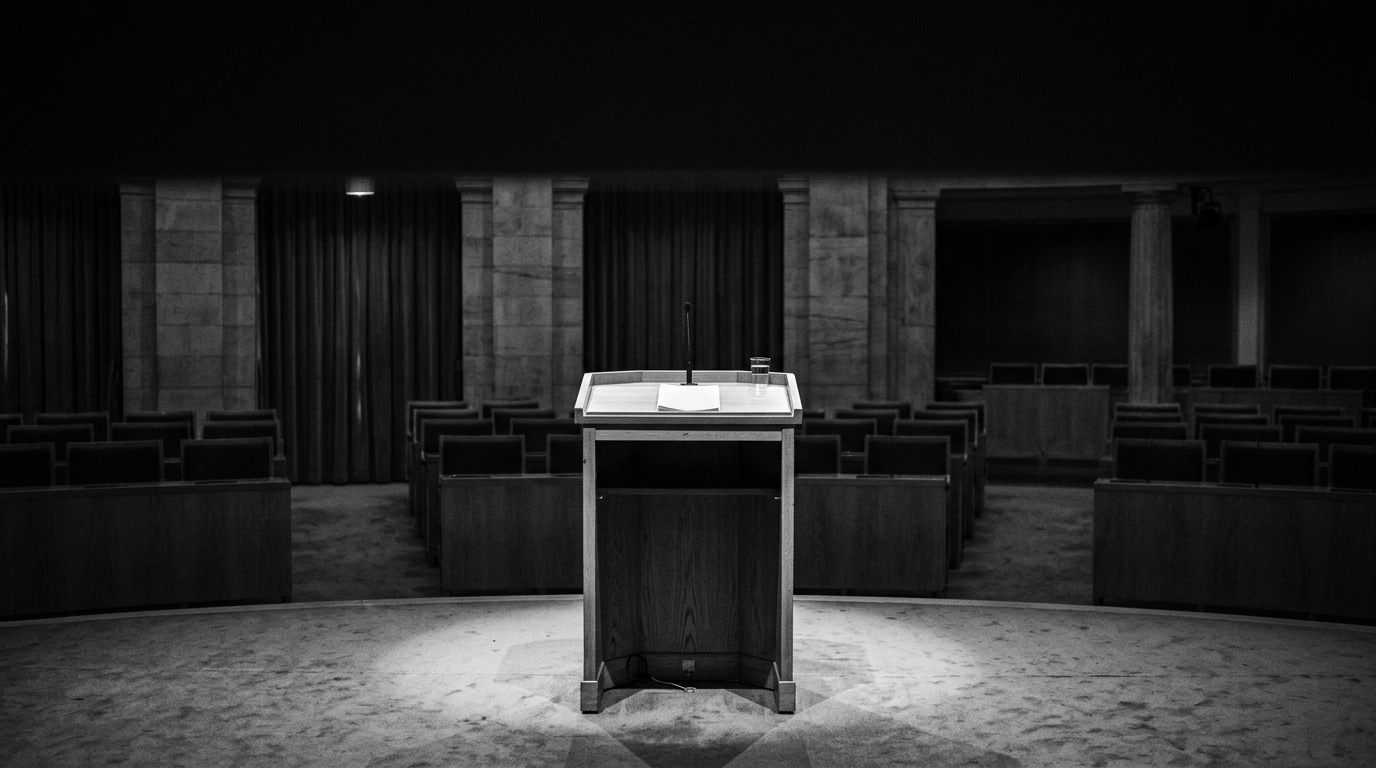
Sweden's Prime Minister Ulf Kristersson resigned on Sept. 17 after his party lost the election, creating fresh political uncertainty.
Officials said Kristersson submitted his resignation following the vote. Market reaction pending.
Krona faces political pressure
Officials said the resignation starts the process of forming a new government. Political transitions that leave a country without a clear executive typically raise questions about fiscal and regulatory continuity, which foreign investors factor into currency allocations.
How markets will judge developments
If coalition talks conclude quickly with a broadly market-friendly government, currency volatility may prove limited as investors regain clarity. If talks drag on and produce a fragile or fragmented coalition, risk premia on the krona could rise as uncertainty about policy and growth persists.
Watch for two near-term markers that will influence FX flows: whether a coalition outline is agreed by October 1, 2026, and whether parliamentary confidence votes occur before the end of October 2026. Those dates will shape investor assessments and the krona’s direction in the coming weeks.