Montreal Airport Faces Delays Amid Security Alert
Montreal-Trudeau Airport faced significant flight delays on March 18 due to a security investigation into a suspicious package, impacting U.S. flights.
Ayla Demirhan ·
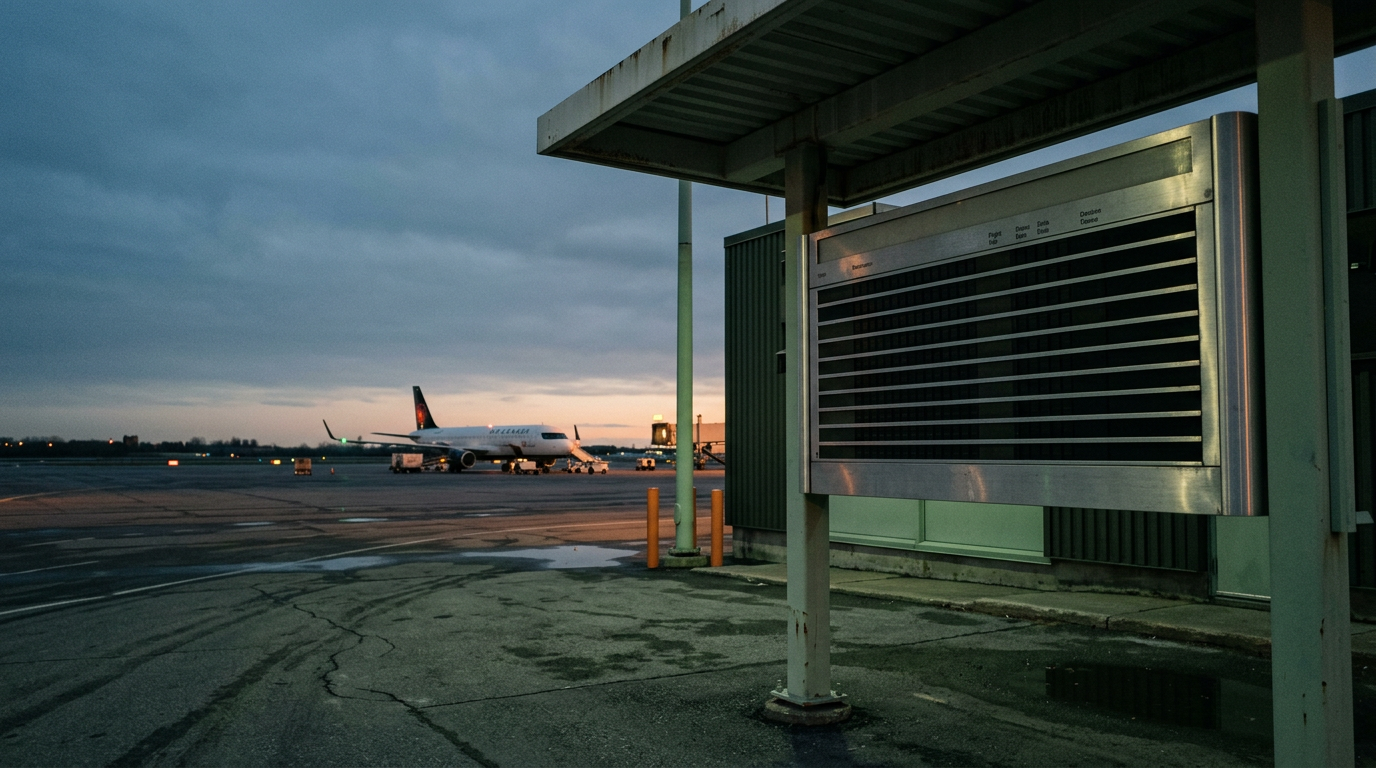
Montreal-Trudeau International Airport (YUL) experienced significant operational disruptions on Wednesday, March 18, following a security investigation. Authorities initiated a probe after a suspicious package was discovered on an inbound aircraft, leading to immediate restrictions on air traffic.
The incident necessitated the closure of one of the airport's two runways, directly impacting flight movements. The U.S. Federal Aviation Administration (FAA) issued a 90-minute ground stop advisory for flights destined for Montreal, further exacerbating the situation for international travelers.
Operational Impact and Delays
Departures from U.S. airports bound for Montreal-Trudeau faced average delays of 54 minutes subsequent to the FAA's ground stop. This measure was implemented to manage the influx of aircraft and ensure safety protocols were observed during the security incident.
An airport spokesperson confirmed that operations were severely curtailed, with only a limited number of flights permitted to operate while the investigation proceeded. The primary objective was to ensure the safety and security of passengers and airport personnel.
Broader Travel Disruptions
The security alert had a cascading effect on air travel between the United States and Montreal. Airlines were compelled to adjust their flight schedules, leading to cancellations and re-routing of passengers.
Such incidents underscore the vulnerability of major international transportation hubs to security threats and the immediate operational challenges they pose. The rapid response by airport authorities and aviation regulators is critical in mitigating potential risks.
Aviation Security Protocols
International airports, including Montreal-Trudeau, operate under stringent security protocols designed to address various threats, from suspicious packages to broader security breaches. These protocols often involve collaboration between local law enforcement, airport security, and international aviation bodies like the FAA.
Disruptions of this nature, while inconvenient for travelers, are a direct consequence of these enhanced security measures. They highlight the ongoing balance between maintaining efficient air travel and ensuring robust safety standards in a complex global environment.
Future Implications for Air Travel
The incident at Montreal-Trudeau serves as a reminder of the constant need for vigilance in aviation security. Airports continuously review and update their emergency response plans to minimize the impact of such events on passengers and airline operations.
Such events can lead to increased scrutiny of baggage handling procedures and passenger screening processes. The long-term implications often involve technological advancements in threat detection and enhanced training for security personnel to respond effectively to evolving threats.
Implications
Country Impact: Canada's air travel infrastructure faced immediate strain, particularly affecting international connections with the U.S. Such incidents can prompt reviews of national airport security protocols and inter-agency coordination.
Industry Impact: The airline industry experienced direct operational costs due to delays, cancellations, and rerouting. This highlights the financial vulnerability of carriers to unforeseen security events and the importance of robust contingency planning.
Market Impact: While a localized incident, prolonged disruptions at major hubs can impact airline stock performance and travel sector confidence. It underscores the sensitivity of global travel markets to security-related events.