Strategic Petroleum Reserve drops to early-1980s low
Strategic Petroleum Reserve holdings fell to 340.3 million barrels after an 8.9 million-barrel weekly draw, the lowest level since 1983.
Lauren Collins ·
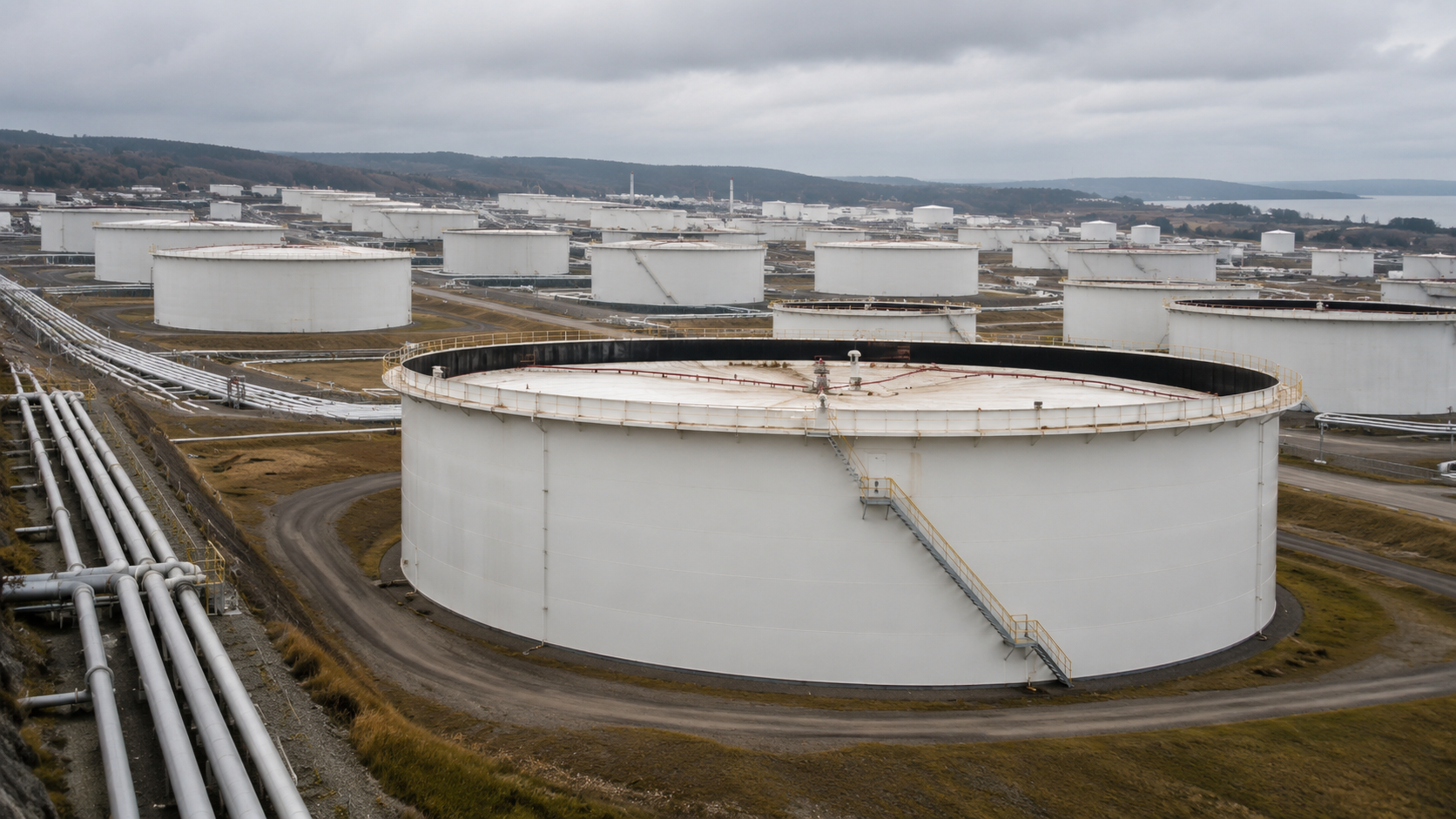
The Strategic Petroleum Reserve is now sitting at levels last seen when the program was still being built in the early 1980s.
Fresh figures released Monday by the US Department of Energy show the reserve fell to 340.3 million barrels in the week ending June 12, after a sizable withdrawal. The move pushes the stockpile past a symbolic threshold: lower than the Biden-era low point from 2023 and roughly in line with the reserve’s earliest years.
Weekly data show an 8.9 million-barrel draw
The Department of Energy data indicate 8.9 million barrels were withdrawn over the week. That left the reserve down from 349.2 million barrels a week earlier, a week-over-week decline that underscores how thin the cushion has become.
Measured against more recent history, the new level is below the July 2023 reading of 346.8 million barrels. That 2023 trough occurred as then-President Joe Biden faced an energy shock tied to Russia’s invasion of Ukraine and the global market disruption that followed.
Analysts noted the headline value is not just numerically notable but politically salient. Patrick De Haan, the head of petroleum analysis at GasBuddy, described the development Monday as “a remarkable statistic,” emphasizing that it stands out regardless of partisan point of view.
Back to 1983: a milestone with limited modern precedent
To find a lower level than last week’s reading, the data trail runs back decades. On July 29, 1983, the reserve stood at 339.9 million barrels—near today’s level—during the period when the Reagan administration was still ramping up the stockpile.
That comparison matters because it highlights how unusual the present moment is. The reserve was created as an emergency buffer; yet the current inventory resembles the volume held when the government was still filling the caverns and defining how the tool would be used.
The result is a thinner margin for policymakers who may want to lean on the reserve as a backstop during price spikes or supply disruptions. At 340.3 million barrels, the reserve can still serve as an emergency resource, but the data point signals less capacity than in most of the program’s modern era.
Who gains, who loses as the buffer shrinks
Lower inventory can shift leverage in energy politics. Administrations often face pressure to tamp down gasoline prices, and a fuller reserve can make that option feel more available; a smaller reserve narrows that menu and increases the political cost of future releases.
Consumers and industries sensitive to fuel prices can lose if the government has less room to respond quickly to sudden market shocks. Oil producers, by contrast, often benefit from higher price levels and may see fewer government interventions as supportive of tighter supply conditions, though the weekly draw reported here does not itself predict price moves.
For Congress and the executive branch, the new level also functions as a scorecard. The Strategic Petroleum Reserve is a long-term asset, and the raw barrel count is an easy metric for critics and allies alike to cite when arguing over energy policy priorities.
The next benchmark will be whether weekly government reporting shows continued withdrawals or a stabilization around the current level. With the reserve now at a point not seen since 1983, future decisions about its use are likely to draw sharper scrutiny from both parties.