Stimson report: Morocco’s rise as a strategic middle power amid economic and climate shifts
A new country policy report from the Stimson Center examines Morocco’s evolution into a strategic middle power, highlighting economic transformation, clima…
Sophie McAlister ·
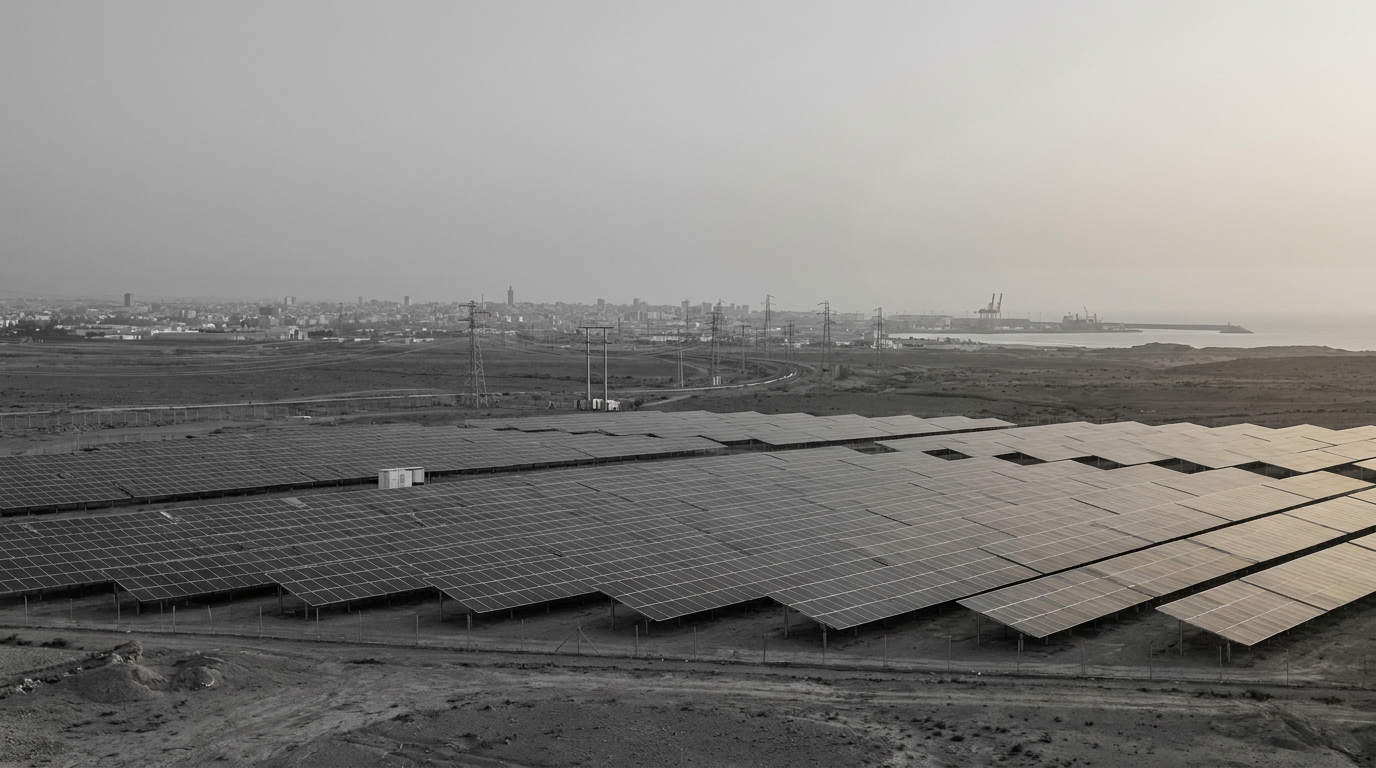
The Stimson Center in Washington, D.C., this week published a country policy report on Morocco that frames the North African country as an emerging strategic middle power. The report, produced by the DC-based think tank, assesses Morocco’s recent economic changes, rising exposure to climate impacts, and a more contested international environment shaping its foreign policy and domestic priorities.
Stimson’s analysis situates Morocco at the intersection of economic reform and regional engagement. It argues that shifts in Morocco’s economic model and outward-facing diplomacy have increased the country’s influence in North Africa and beyond, while also creating new pressures at home. The report highlights policymakers’ efforts to balance growth with social and environmental constraints.
The authors underline climate stress as a central risk. Rising temperatures, water scarcity, and extreme weather patterns are presented as growing constraints on agriculture and urban planning, forcing the state to adapt policy and investment priorities. The report connects environmental vulnerability to broader questions about stability, migration, and development planning.
Economic transformation and regional posture
Stimson’s report maps Morocco’s recent economic trajectory and its implications for regional influence. The analysis notes that economic modernization—spanning investment, trade relationships, and infrastructure development—has strengthened Morocco’s role as a regional hub. That economic push has coincided with deeper diplomatic outreach and commercial ties across Africa and with external partners.
The report also flags the domestic trade-offs that accompany rapid transformation. Investments and reforms intended to boost competitiveness create distributional challenges, and the authors identify governance and social-policy gaps that could limit inclusive gains unless addressed.
Geopolitical competition and strategic positioning
Alongside economic and climate factors, Stimson points to an increasingly competitive geopolitical landscape. The analysis emphasizes that Morocco’s strategic choices are being shaped by greater external interest in the region, requiring policymakers to navigate multiple partnerships while protecting national priorities.
The report positions Morocco’s evolving posture as consequential for external actors who engage the country commercially and diplomatically. It suggests that shifts in Morocco’s alignment and partnerships could have reverberations across North African and Sahelian policy dynamics.
For Washington, the report provides a detailed policy lens on a country that sits at the crossroads of European, African, and Mediterranean security and development interests. Stimson’s proximity in DC means the analysis is aimed at federal policymakers, diplomats, and regional experts evaluating U.S. engagement strategies.
Looking ahead, the report calls for tailored diplomatic, economic, and climate-focused cooperation to support Morocco’s resilience and regional role.