LA28 ticket prices raise concerns over fees and access
LA28 ticket prices drew concern after April 2 presales, as buyers cited higher costs for top events and a mandatory 24% fee.
Mehmet Şahinoğlu ·
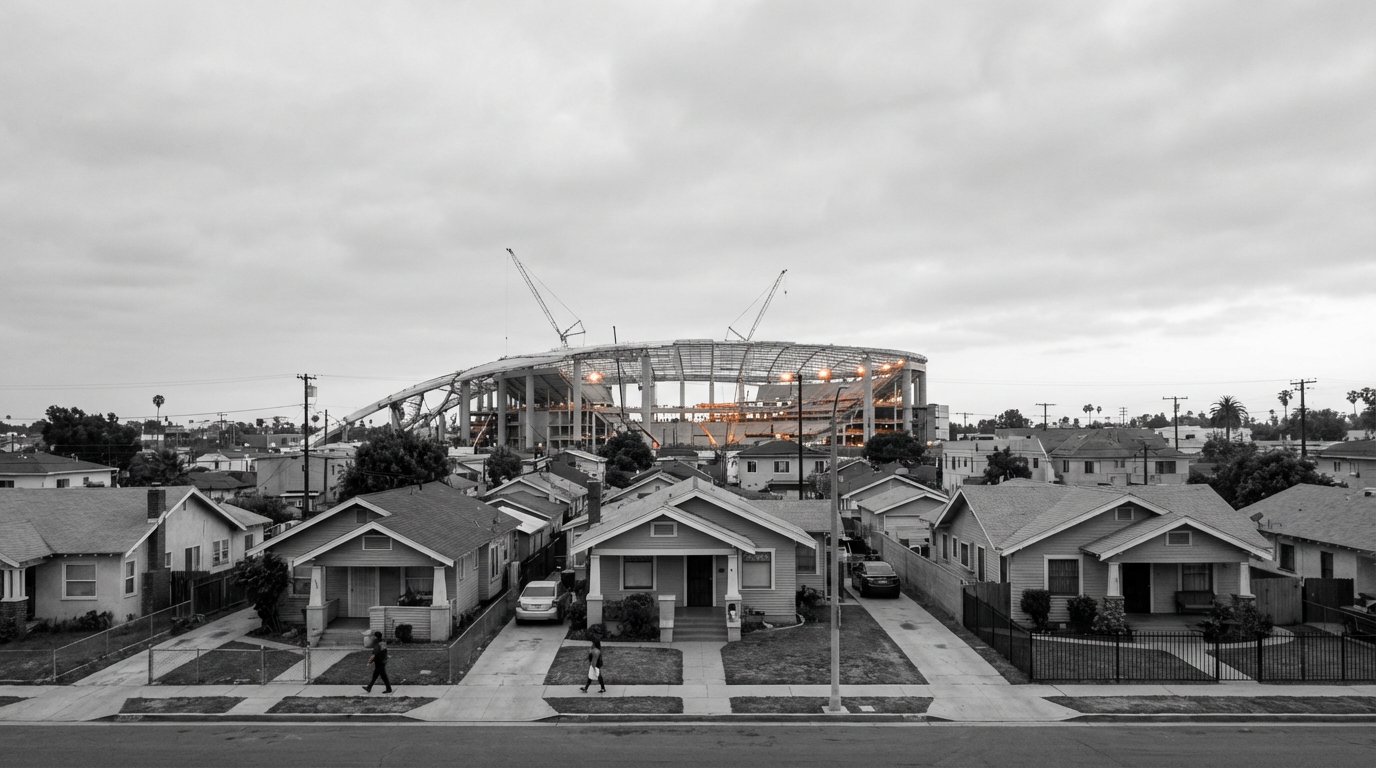
Los Angeles residents are raising concerns about the cost of attending the 2028 Summer Olympic Games after presale tickets went on sale on April 2, with many citing higher-than-expected prices and added fees. While the initial presale included tickets advertised from $28, residents said the options they saw for in-demand sessions were far more expensive. Buyers also reported a mandatory 24% service fee being added at checkout, which they said further increased the total cost.
LA28, the organizing committee, set aside presale access for residents in Southern California and Oklahoma City. Oklahoma City is scheduled to host canoe slalom and softball, and the presale allocation was designed to include those local communities as well. LA28 said hundreds of thousands of $28 tickets were sold to local residents, but some buyers said the lowest-priced seats were difficult to find for the most sought-after sports.
Residents specifically pointed to high-demand events such as gymnastics and track and field, where they said the $28 options were quickly unavailable. Some reported spending thousands of dollars during the presale window. One buyer said they set aside $11,000 for eight track and field tickets, including nearly $400 in service fees, highlighting how fees can materially change the final price paid.
Reynold Hoover, CEO of the LA Olympics, said the majority of the $28 tickets were purchased by Southern California and Oklahoma City residents. LA28 spokesperson Gigi Gutierrez said pricing for premier events is comparable to other major sporting events, citing the Super Bowl as a reference point. The organizing committee has framed the pricing approach within its broader financial plan for the Games.
LA28 has said the 2028 Games are budgeted at over $7.1 billion and are intended to be self-financing, with the stated goal of avoiding a burden on taxpayers. Organizers have contrasted that approach with previous Olympic hosts that ended up with municipal debt. For local residents, the presale experience has sharpened questions about affordability and access, particularly for the events expected to draw the highest demand.