State Department tells managers to revise scores in submitted employee evaluations
State Dept. revises employee performance scores, raising concerns among Foreign Service officers about competition for limited top scores.
Sophie McAlister ·
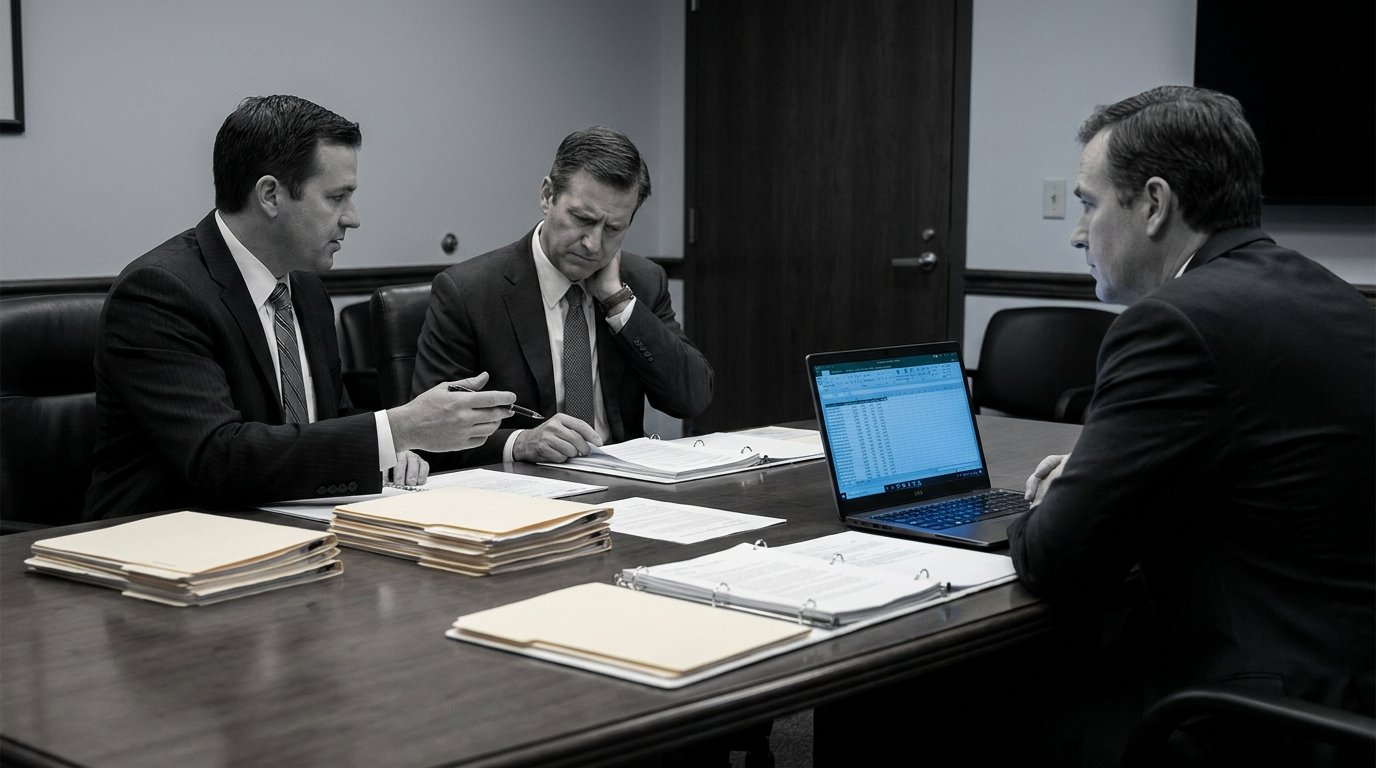
The State Department issued new guidance this month instructing managers to "revise and recalibrate" performance scores on employee evaluations that have already been submitted, a procedural shift that will affect personnel across the agency including many staff based at the Truman Building in Foggy Bottom. The instruction comes as managers and rank-and-file employees prepare annual reviews that feed into promotions, assignments, and bonuses.
Department officials framed the step as an administrative correction to ensure consistency across performance assessments. The guidance asks supervisors to revisit scores to align them with updated benchmarks and calibration discussions, rather than treating submitted ratings as final. The memo did not, however, specify a fixed timeline or the number of evaluations to be adjusted.
What the guidance changes
Under the new direction, managers are expected to reexamine previously entered ratings and make adjustments where scores diverge from departmental calibration. The policy is meant to reduce disparities that can emerge when different offices apply performance standards unevenly, and to preserve the integrity of the agency's evaluation system.
Human resources officials said the revisions are administrative and not intended to retroactively alter personnel decisions already finalized. Still, supervisors now face the practical task of reopening completed evaluations and determining whether score changes are warranted — a process that could shift the relative standing of employees on promotion lists and selection boards.
Concerns from diplomats and staff
Some Foreign Service officers and career staff expressed concern that reassigning or compressing top scores could intensify competition in a system that already limits the number of highest ratings. Those critics warn that if too few top scores are available, staff may be incentivized to prioritize individual ranking over collaboration — a risky trade-off for diplomatic work that depends on teamwork.
Managers also face an administrative burden: revisiting numerous evaluations creates extra work during an already busy performance cycle. Union representatives and employee advocates told reporters they will be watching for clarity on how changes will be tracked and communicated to affected employees.
Local impact in Foggy Bottom and beyond
The guidance will be felt locally by Department employees who work at sites across the Washington area, since evaluations performed in the capital contribute heavily to promotion decisions and internal competitions. For supervisors in Foggy Bottom, recalibration means additional meetings and documentation to justify any score changes.
How the Department implements the recalibration will determine whether the step smooths disparities or fuels resentment among staff who see their rankings shift after reviews appeared closed.
Watch for further Department notices clarifying the scope of recalibration, the criteria for changing scores, and whether the agency will publish numbers on how many evaluations are altered. Employee organizations and House oversight staff may also seek briefings if adjustments appear to affect promotion outcomes.