State Department pilots agentic AI to speed malware analysis for cyber teams
The State Department is piloting agentic AI to analyze malware 75 times faster than humans, aiming to reduce analyst workloads and speed triage.
Sophie McAlister ·
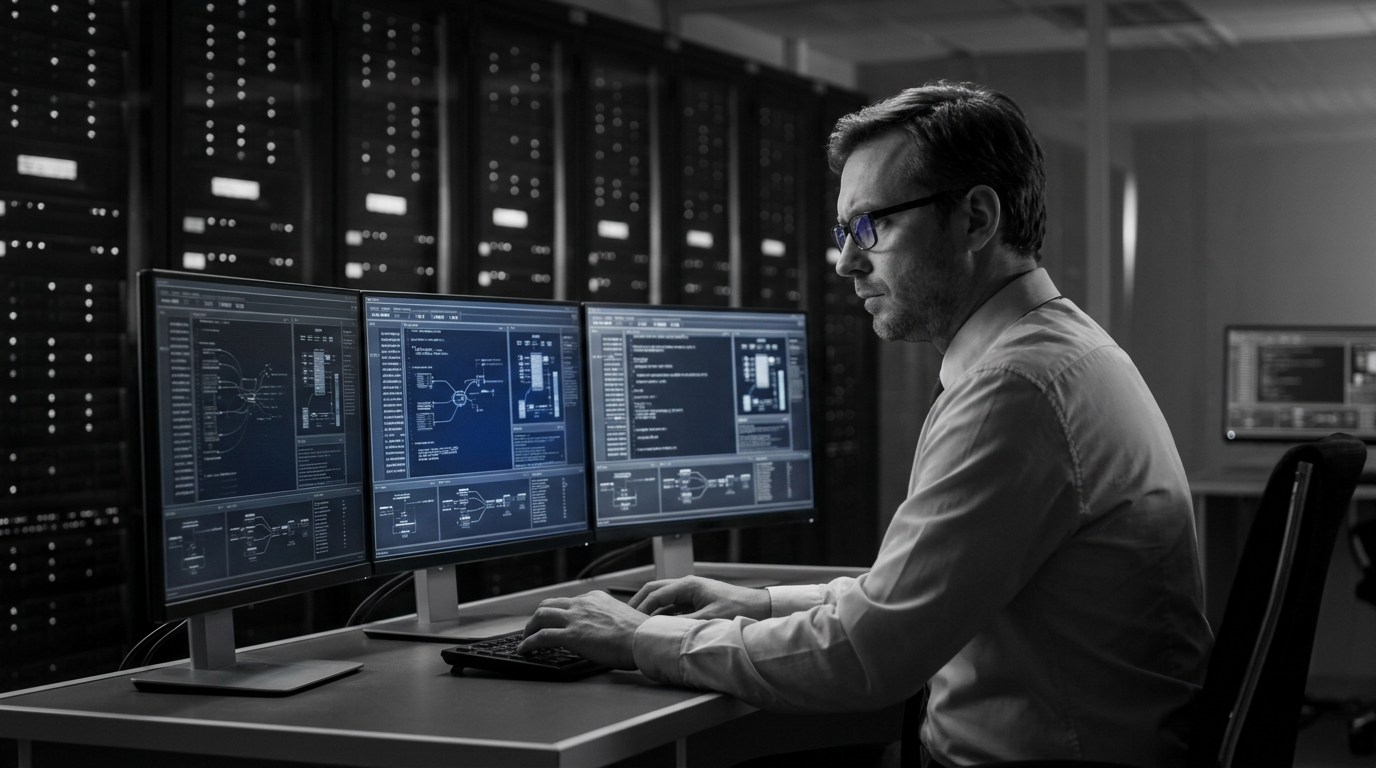
The State Department is piloting agentic artificial intelligence inside its Cyber Threat and Investigations unit to help analyze malware and reduce routine workload for analysts, agency officials said. The program, underway at the department’s Washington headquarters, is described by an official as capable of processing malware artifacts far faster than human analysts — potentially more than seventy-five times faster in some tasks. The pilot is framed internally as a way to "buy back time" for cyber staff so they can focus on high-value work.
Agency officials say the pilot uses agentic AI — software that can perform multi-step tasks with a degree of autonomy — to automate repetitive portions of malware triage and initial analysis. That includes fetching samples, extracting indicators of compromise, and flagging suspicious behavior for human review. Officials characterize the tools as assistants rather than replacements, intended to speed routine processing and reduce analyst backlog.
How the pilot works and what it promises
According to the official briefing, the agentic tools are configured to run through established malware-analysis playbooks and surface high-confidence findings to analysts. The department reported throughput gains in initial tests, with the official suggesting certain analysis steps could be completed many times faster than they would be by hand. The pilot remains limited in scope while the unit measures accuracy, false-positive rates and operational safety before any broader deployment.
Officials emphasized that human analysts retain final decision authority. The technology is being evaluated for tasks where automation can reduce grind-level work — such as parsing large numbers of samples and highlighting likely threats — rather than for sensitive judgment calls. The department is also assessing how agentic processes integrate with existing incident-response and information-sharing workflows.
Local workforce and policy implications for Washington
The State Department’s testing is centered in Foggy Bottom, where the agency’s cyber teams are based, and directly touches the Washington cyber labor market. Faster analysis could reshape day-to-day roles for federal cyber staff in the capital, influence hiring and training priorities, and create demand for engineers who can build and oversee agentic systems. It also joins larger debates in the federal government about how to adopt AI tools in security-sensitive missions.
The department’s pilot adds a practical, operational example to federal AI adoption efforts: a high-profile agency experimenting with agentic systems for cyber defense tasks. The results — both in performance and safety testing — will inform whether similar approaches spread across other federal cyber teams located in the Washington area.
Watch for the department’s formal evaluation results and any internal guidance on expansion or restrictions, which will indicate whether the pilot moves beyond a limited test and how quickly agentic tools enter routine use in the capital’s federal cyber workforce.