SpaceX earnings test Musk as shares sink before debut call
SpaceX earnings arrive with shares down about 25%, making Starlink growth, AI spending, compute rentals and Thursday's lockup expiry central investor tests.
Jason Kwon ·
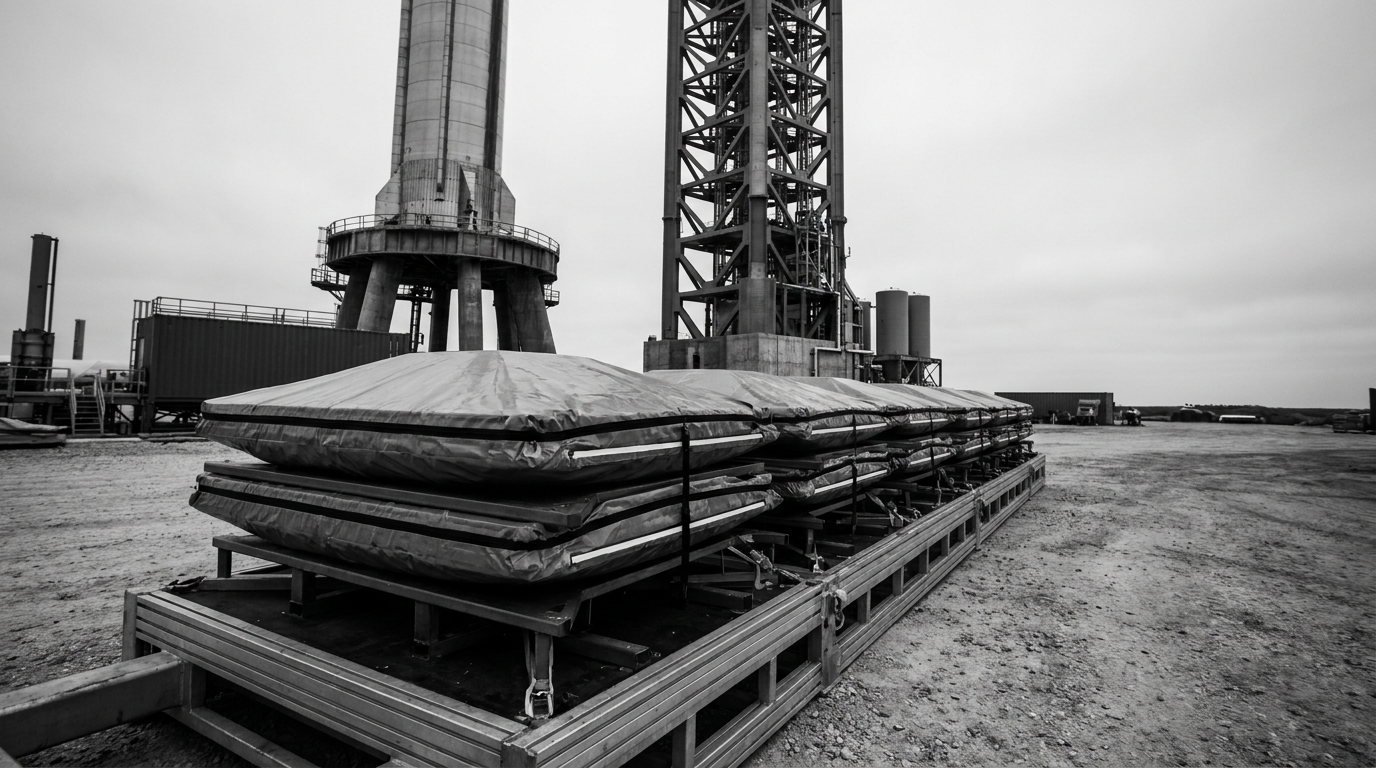
SpaceX earnings arrive with shares down about 25% from their June debut, putting Starlink growth, AI spending and lockup risk in focus.
The report is the company's first public-market test since its mid-June listing. It also comes just before Thursday's lockup expiry, when early holders may be able to sell shares into an already weak tape.
A $114 stock problem
SpaceX opened trading in mid-June at $150 after an IPO priced at $135, according to the source material. The stock is now around $114, leaving it below the offer price before executives have held their first earnings call.
The IPO documents have already given investors a starting point on key figures, but earnings change the format. Analysts will be able to question management directly on spending, growth quality and how Musk wants the market to value businesses that still depend heavily on future execution.
SpaceX also tried to collect questions from investors before the call. The prompt drew some serious inquiries, one suggestion about executives hosting a future earnings call from space, and promotional references to an obscure cryptocurrency.
AI budget meets Memphis compute
AI spending is likely to be one of the first pressure points because public investors are scrutinizing whether large technology budgets are producing measurable returns. Musk offered one clue on a recent Tesla call, saying the EV maker should spend on AI "as fast as we can."
For SpaceX, the question is harder than a normal software-company budget line. Much of the equity story rests on businesses still scaling, so investors will want to know whether AI spending supports launch operations, Starlink performance, robotics, autonomy or something less immediately tied to revenue.
The compute issue is tied to a large data-center buildout in the Memphis area, including Colossus 1 and Colossus 2 supercomputers. The strategic choice is whether SpaceX keeps that capacity for internal models and infrastructure, or leases more of it to outside customers.
The source material described one compute rental arrangement worth $1.25 billion a month. Renting capacity could support near-term cash generation while the stock is under pressure, but it may also reduce the internal computing headroom needed for Musk's longer-cycle technical bets.
Starlink carries the model
Starlink remains the part of SpaceX that investors can measure most directly. The satellite internet network is the revenue anchor while other projects, including heavier launch ambitions and compute-heavy initiatives, remain tied to future adoption.
If Starlink subscriptions keep rising and margins hold, the company gets more time to defend aggressive capital spending. If subscriber growth slows or margins narrow, pressure could build for Musk to convert more compute into rental revenue or accelerate other monetization plans.
The industry read-through is broader than one company. Strong Starlink metrics would support the case for satellite broadband as a scalable consumer and enterprise service, while weaker numbers would raise questions about bandwidth costs, customer acquisition and pricing power across low-earth-orbit networks.
Tesla questions stay live
Tesla remains the other unresolved variable in the story. Investors have speculated about whether Musk's two public companies could eventually combine or share more infrastructure, but he did not signal such a step during Tesla's earnings call a few weeks ago.
A continued lack of detail would keep the focus on SpaceX's standalone economics. Any hint of tighter coordination with Tesla would shift attention to governance, valuation and whether shared AI infrastructure can reduce costs without creating conflicts for shareholders.
The first scenario is operationally clean: if Starlink shows durable growth, AI spending is explained in product terms and lockup selling is limited, the stock gets a clearer valuation frame. For the wider sector, that would help risk appetite for capital-intensive space and AI infrastructure companies.
The second scenario is more defensive: if newly unlocked shares add supply while management gives vague answers on AI returns, the share price could stay under pressure. That would raise SpaceX's cost of capital, weigh on comparable space listings and reinforce a broader market preference for cash flow over long-duration narratives.
The third scenario turns on compute monetization. If SpaceX expands rentals, it may strengthen near-term financials, but investors will ask whether the company is selling capacity it needs for its own roadmap; if it keeps compute in-house, the burden shifts back to Starlink and launch revenue to fund the buildout.