South Korea players urge K League season calendar shift
South Korea players asked on Aug. 14 for the K League to switch to a fall-to-spring season, citing heat risks and survey results.
Mehmet Şahinoğlu ·
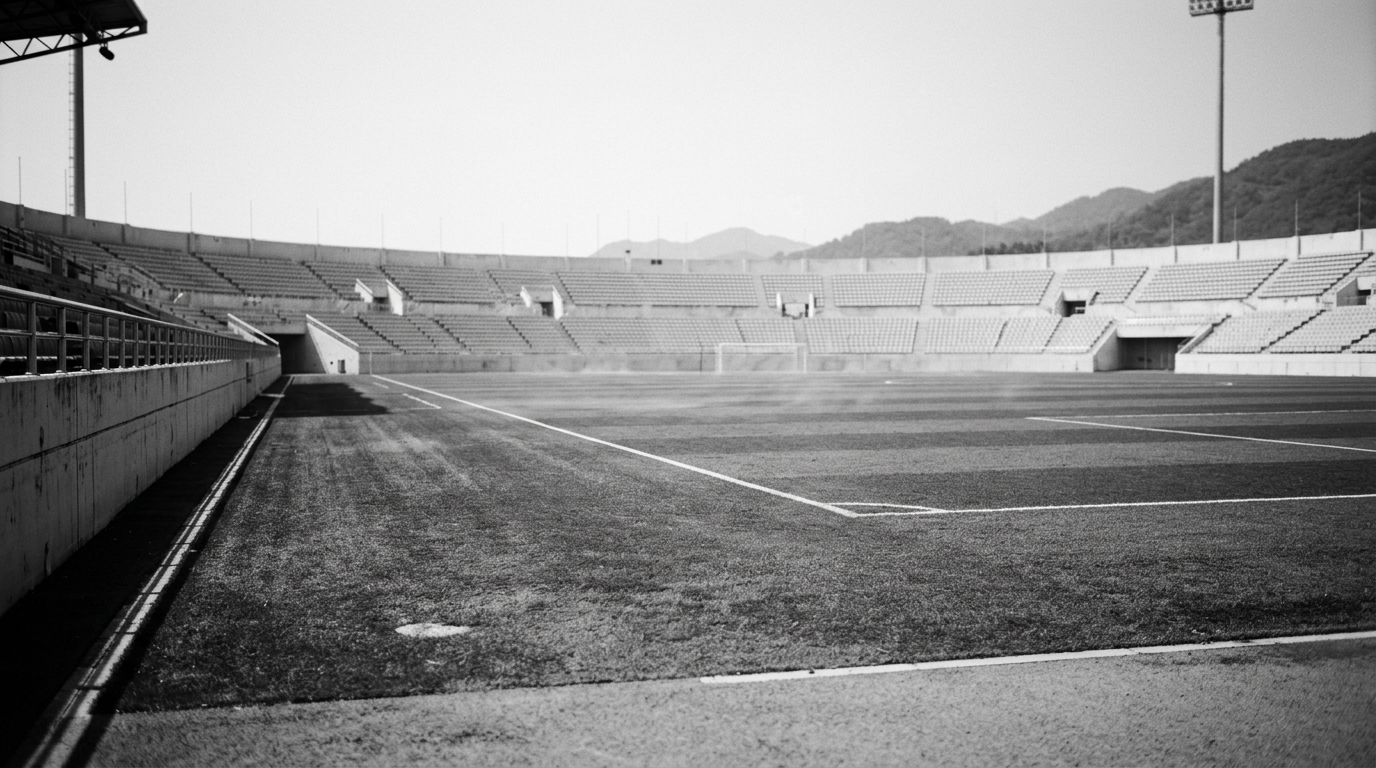
The South Korea Pro Footballers Association (KPFA) said it submitted a formal request on August 14 for the K League to change its domestic season calendar from February-to-December to a fall-to-spring format, citing player safety concerns linked to extreme summer temperatures.
The association said recent conditions have become increasingly difficult for athletes, arguing that climate change is intensifying heat exposure during matches and training. As an example of the temperatures players are facing, KPFA noted local highs reaching 42.5 degrees Celsius (108.5 Fahrenheit) in Yangsan.
Heat and player welfare at the center of
Heat and player welfare at the center of KPFA request KPFA said player welfare is the primary rationale KPFA said player welfare is the primary rationale for the proposed shift. It argued that moving the season would reduce time spent competing during the hottest part of the year, while also helping to maintain performance levels in safer conditions. To support its position, KPFA cited results from an emergency survey of 536 professional players. According to the figures released by the association, 86.2 percent of respondents said they felt significant physical strain during recent heatwaves. The survey results shared by KPFA also described specific symptoms reported during matches. It said 64.7 percent of players indicated dizziness, while 56.6 percent cited dehydration.
KPFA pointed in particular to alignment with the
Alignment with international schedules and winter constraints
Beyond health considerations Beyond health considerations, KPFA said a fall-to-spring structure would bring the K League closer to widely used international football calendars. The association said this could support what it described as stronger global competitiveness through improved planning and a more consistent competitive rhythm for clubs and players. KPFA pointed in particular to alignment with the Asian Football Confederation's Champions League Elite, as well as Japan's J. League, as potential benefits of a domestic schedule change. It also said many Asian and European federations already operate fall-to-spring seasons, framing the request as consistent with that broader pattern. At the same time, KPFA acknowledged that South Korea’s winter climate poses a significant operational challenge for any calendar move into colder months. As a mitigation option, the association proposed a mid-season winter break to limit matches during the harshest conditions. KPFA also said facility and infrastructure work would likely be needed if the season extends deeper into winter. It listed possible stadium upgrades including heating systems and hybrid pitch technology to help ensure safer playing surfaces. No league response yet, and trade-offs remain KPFA said the K League has not issued a formal reply to the request. The association added that adopting the proposal would require changes to competition planning and, based on its outline, substantial investment in facilities.
KPFA said the request reflects football’s broader need to adapt to environmental pressures while maintaining safety and performance standards. It added that any decision would need to balance player health concerns against the practical demands of operating a winter schedule.