South Korea indicts four oil refiners over collusion
Prosecutors charged the country’s four oil refiners with fuel-price collusion tied to an estimated $17 billion in anti-competitive harm.
Mateo Fernandez ·
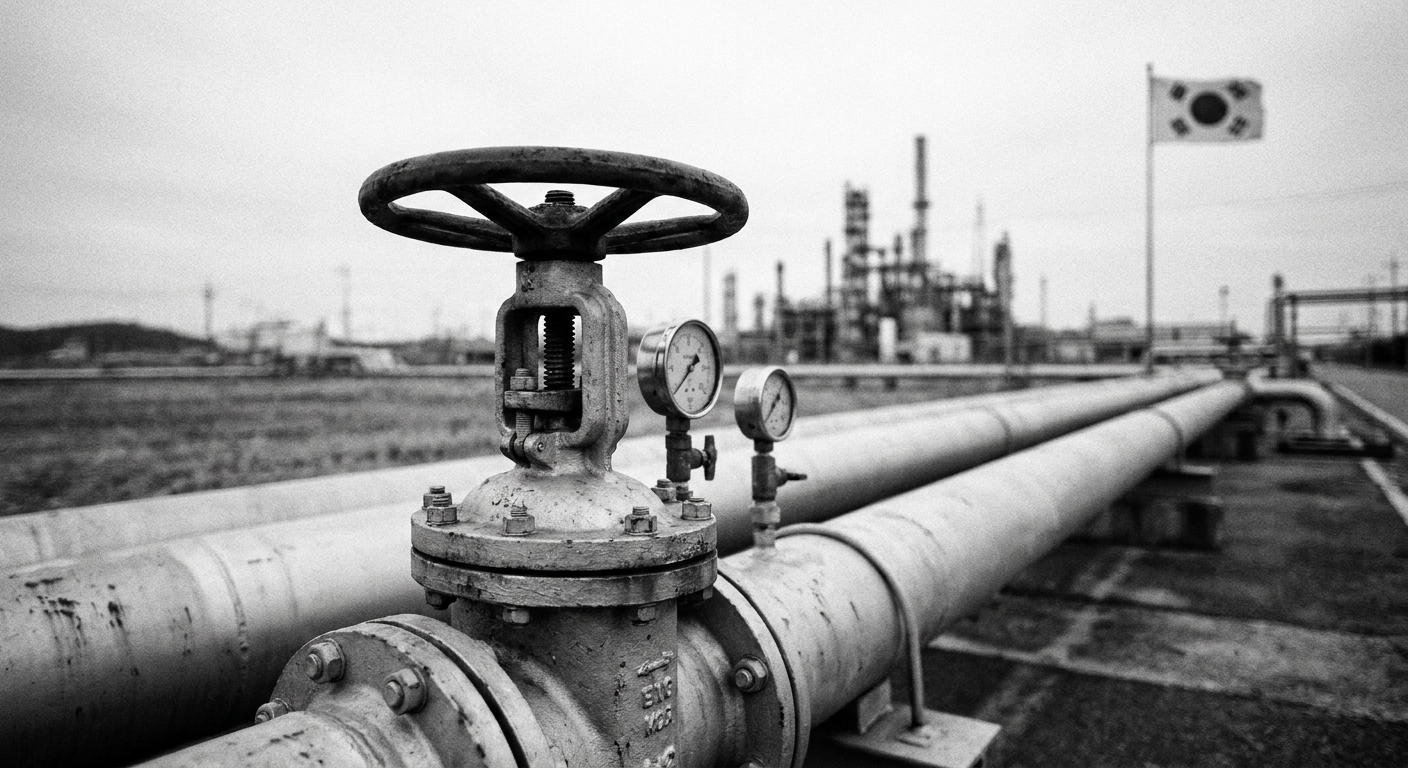
South Korean prosecutors said Monday they indicted the country’s four oil refiners on fuel-price collusion charges, putting one of Asia’s major energy markets under legal and regulatory pressure. Market reaction was not immediately available.
Officials said the alleged conduct caused anti-competitive harm estimated at $17 billion. The case targets companies central to South Korea’s fuel supply chain, where refining margins, pump prices and import costs feed directly into household inflation and transport expenses.
$17 billion fuel-harm estimate
The indictment raises the risk of penalties, damages claims and tighter oversight for the refining sector if prosecutors prove the charges in court. For the companies, the immediate issue is legal exposure; the wider commercial risk is that pricing practices, wholesale contracts and dealer relationships come under closer scrutiny.
South Korea is heavily exposed to imported crude, so domestic fuel-price formation matters beyond company earnings. If enforcement leads refiners to alter pricing behavior, the effect could be felt through gasoline and diesel distribution, though the timing and scale would depend on court proceedings and any regulator response.
For regional energy markets, the case adds a governance
risk rather than an immediate supply shock.
If the prosecution’s case holds, investors may apply a higher compliance discount
to refiners in concentrated downstream markets.
If the companies contest the charges successfully, the impact
may remain largely legal and reputational.
By July 13, 2026, investors will be watching for court scheduling, company statements and any follow-up action from competition authorities.