Solo living trends gain momentum as influencers redefine independence
Influencers are destigmatizing solo living, but experts warn that intentional solitude shouldn't replace the human need for meaningful connection.
Ayla Demirhan ·
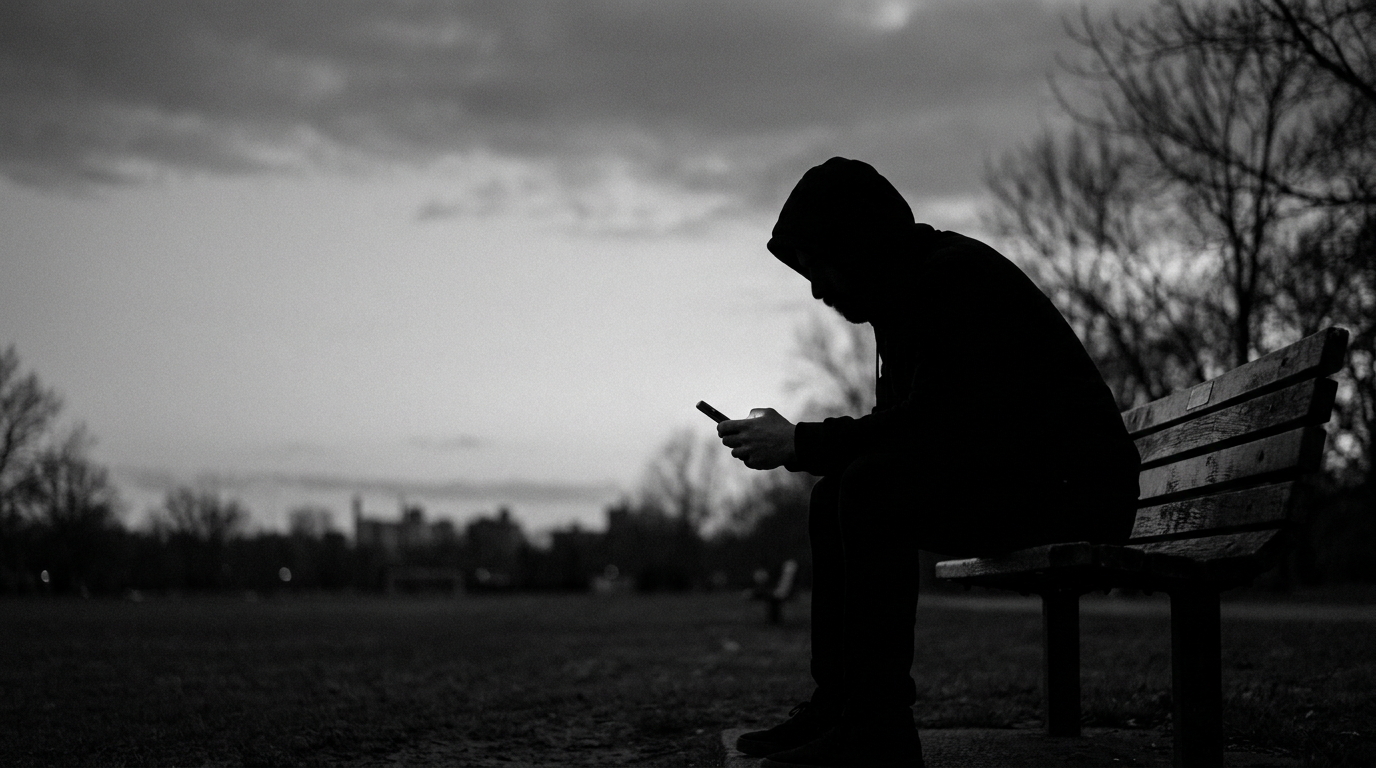
Content creators across major digital video platforms are driving a fast-growing cultural shift that redefines solitary living, using intimate documentation of their daily routines to challenge longstanding social stigmas surrounding life without a traditional social circle.
Led by figures such as Toronto-based creator Lana Isa and Phoenix-based creator Devon Noehring, the trend centers on intentional solitude, personal peace, and self-care. By sharing mundane, unedited experiences of solo living, these creators have transformed what was once treated as a social taboo into a celebrated lifestyle choice. The approach has resonated widely with online audiences, with some accounts gaining more than 170,000 subscribers over an eight-month period. Through shared vulnerability, isolated individuals are finding virtual community and normalizing the decision to prioritize personal well-being over constant social engagement.
Health Experts Caution Against Replacing Real-World Connection
Despite the comforting nature of these online spaces, health experts and epidemiologists emphasize that digital narratives cannot replace fundamental human biology. Researchers note that while deliberate solitude can offer psychological benefits, the core biological necessity for positive, nourishing human relationships remains constant. Medical professionals are continuing to monitor the long-term impacts of the movement, working to differentiate between healthy, autonomous solitude and the underlying health risks tied to chronic, involuntary isolation.
Economic and Societal Impacts of the Solo Living Trend
The mainstreaming of single-living narratives reflects and accelerates broader demographic shifts as single-person households expand on a global scale. From an economic standpoint, this cultural realignment is expected to drive sustained expansion across single-occupancy real estate, solo travel, and consumer services engineered specifically for independent lifestyles. Business leaders and urban planners face emerging opportunities to redesign products, residential developments, and public spaces that accommodate solo residents without fostering further alienation.
However, public health systems may encounter long-term obstacles if virtual connections increasingly supplant tangible, high-value human relationships, potentially masking a deeper loneliness crisis under the banner of self-care. Paralleling previous digital wellness trends, the future outcome of this movement will hinge on whether online validation yields genuine psychological resilience or encourages passive social withdrawal. Ultimately, policymakers and commercial decision-makers must balance growing consumer demand for individual autonomy with the ongoing necessity of sustaining strong physical community infrastructures.