SoFi Stadium Workers Reach Tentative Deal
SoFi Stadium workers reached a tentative agreement, averting a strike during the 2026 FIFA World Cup and securing wage increases and job protections.
Mehmet Şahinoğlu ·
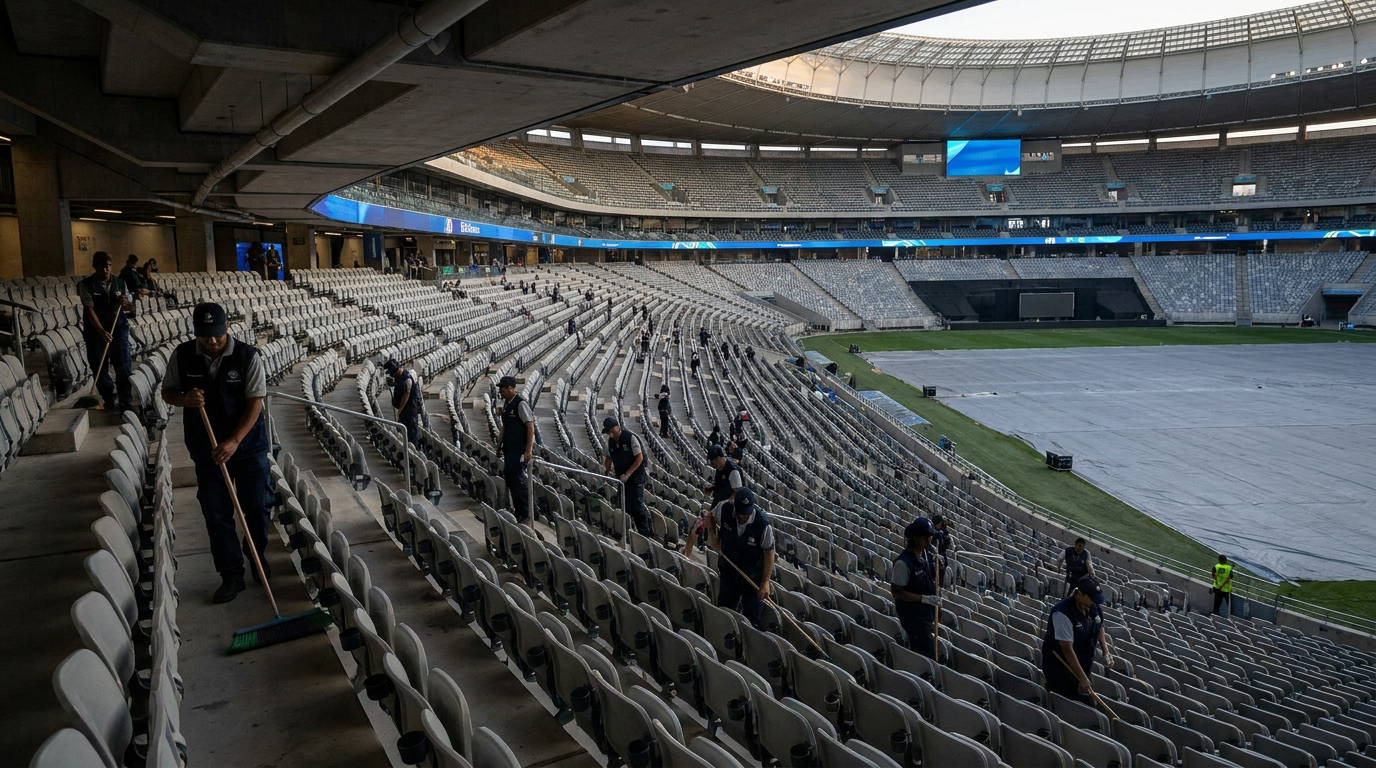
Approximately 2,000 unionized employees at SoFi Stadium in Inglewood, California, have reached a preliminary agreement, thereby avoiding a potential strike. The proposed deal, which is scheduled for a ratification vote by union members on Wednesday, addresses demands for higher wages and safeguards against the outsourcing of union jobs. This resolution guarantees labor stability for the upcoming 2026 FIFA World Cup and future NFL games featuring the Los Angeles Rams and Chargers.
This agreement follows a decisive vote by union members to authorize a strike, which highlighted considerable worker discontent with the previous contract terms. The new arrangement aims to provide enhanced compensation and job security for the stadium's operational personnel, including those in concessions and hospitality.
World Cup Operations Secured
The prevention of a strike averts potential disruptions to event services at the venue, which is a significant host for the international soccer tournament. SoFi Stadium is slated to host eight World Cup matches, making this labor agreement vital for the seamless execution of the event.
Potential Precedent for Future Negotiations
Should it be ratified, this tentative agreement could establish a precedent for labor negotiations within the entertainment and hospitality industries, especially in areas hosting major international events. It illustrates the influence workers can exert when faced with strict deadlines and high-profile commitments. Nevertheless, the fundamental pressures for improved wages and job security are likely to continue, potentially leading to similar challenging negotiations in other venues or sectors as the cost of living continues to rise.
The successful negotiation also underscores the changing nature of labor relations, where the prospect of collective action during critical times can result in significant benefits for workers. This trend has been observed in recent strikes across various U.S. industries. The long-term viability of such agreements will depend on their capacity to genuinely address worker concerns amid ongoing inflationary pressures and the increasing casualization of labor.