US Strategy in Iran Conflict Under Scrutiny
National security experts are analyzing the United States' strategy in its ongoing conflict with Iran, assessing objectives and methods.
Lauren Collins ·
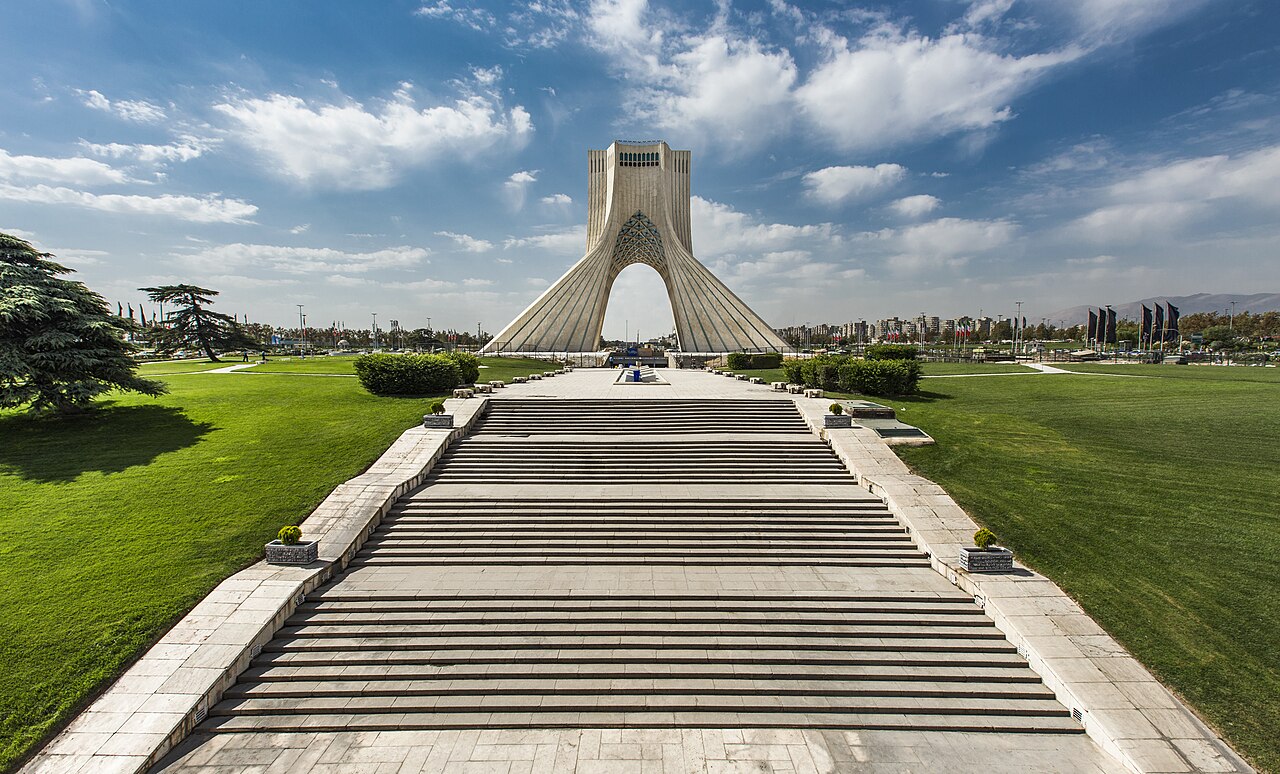
National security analysts are scrutinizing the United States' strategic approach to its protracted conflict with Iran. This examination seeks to clarify Washington's objectives and operational methods within a dynamic geopolitical landscape. The ongoing tensions have been characterized by some observers as a joint U.S.-Israeli campaign against Tehran.
Historical Context of US-Iran Tensions
The relationship between the United States and Iran has been marked by decades of antagonism, escalating significantly after the 1979 Iranian Revolution. Subsequent U.S. administrations have grappled with Iran's nuclear ambitions, regional influence, and support for various non-state actors. This complex history forms the backdrop for current strategic considerations.
Key Strategic Objectives and Actions
Experts are evaluating the specific goals guiding U.S. policy in this conflict. These objectives typically encompass preventing Iran from acquiring nuclear weapons, countering its regional destabilizing activities, and safeguarding U.S. interests and allies in the Middle East. A notable past action was the U.S.-led operation in January 2020 that resulted in the death of Iranian General Qasem Soleimani, a significant figure in Iran's regional military strategy.
Expert Analysis and Perspectives
Alex Gray, a nonresident senior fellow at the Scowcroft Center and former chief of staff at the National Security Council during the first Trump administration, is among the voices contributing to this analysis. His insights focus on dissecting the rationale behind U.S. decisions and their potential long-term consequences. Such expert assessments are crucial for understanding the multifaceted nature of the conflict.
Regional and Global Implications
The ramifications of the U.S.-Iran conflict extend beyond the immediate adversaries, impacting regional stability and global security. Escalations or de-escalations in this dynamic can influence oil prices, international shipping lanes, and the broader balance of power in the Middle East. Continuous assessment by experts aims to anticipate these wider effects.
Future Trajectories and Challenges
Looking ahead, the United States faces persistent challenges in managing its relationship with Iran. These include navigating diplomatic efforts, maintaining deterrence, and responding to evolving threats. The effectiveness of Washington's strategy will be measured by its ability to achieve its stated objectives while mitigating risks of broader regional conflagration.
Implications
Country Impact: The ongoing U.S.-Iran conflict significantly impacts regional stability, particularly for countries bordering Iran or hosting U.S. military assets. Escalations could lead to increased proxy conflicts and humanitarian crises.
Industry Impact: The energy sector, especially global oil and gas markets, is highly sensitive to tensions in the Persian Gulf. Disruptions to shipping lanes or oil production could trigger price volatility and supply chain issues.
Market Impact: Geopolitical instability stemming from the U.S.-Iran dynamic often leads to risk aversion in global financial markets. This can manifest as increased demand for safe-haven assets, such as gold and U.S. Treasuries, and volatility in equity markets.