Shingles Vaccine Linked to Reduced Dementia Risk in Seniors
A major study found the recombinant shingles vaccine (RZV) correlated with a 24% lower dementia risk in over 500,000 Medicare beneficiaries aged 66 and older.
Atlas Newsdesk ·
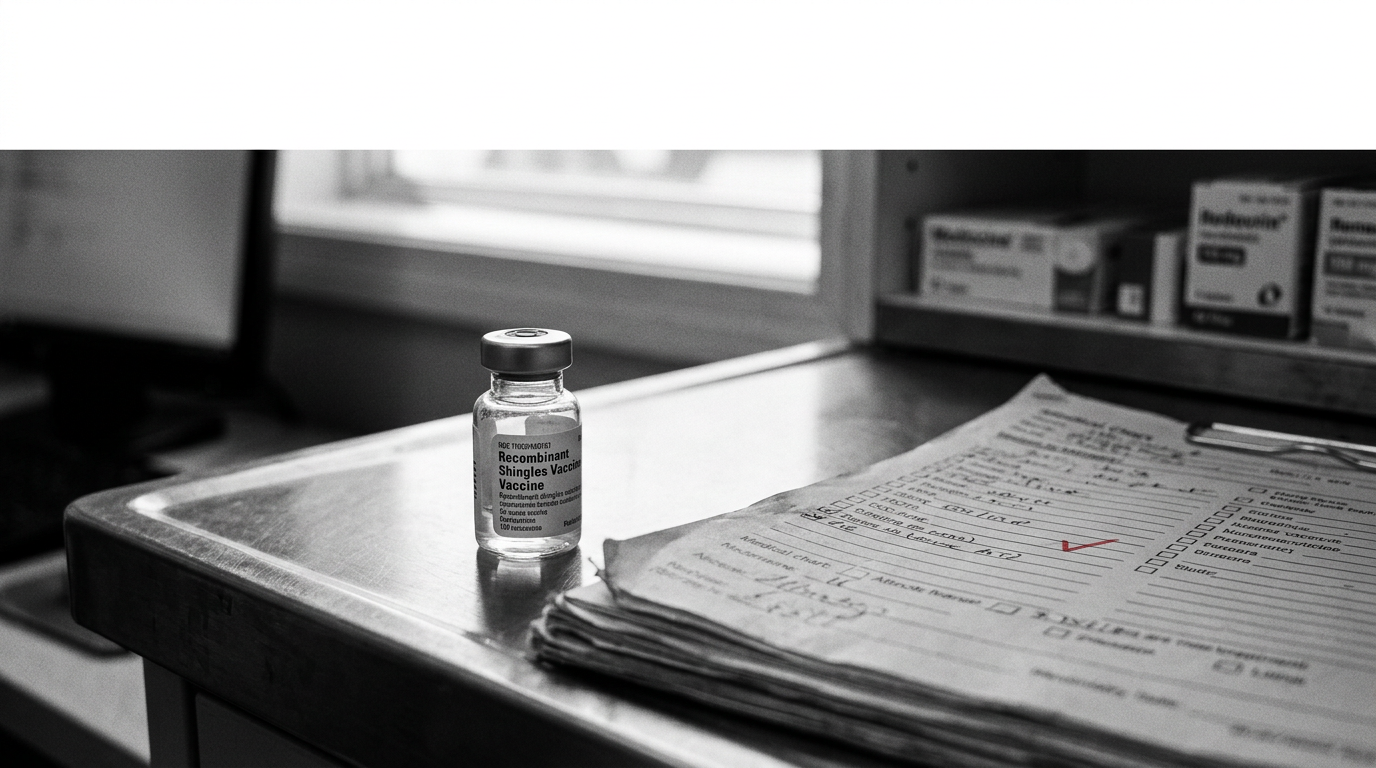
A recent large-scale clinical study has indicated a significant connection between the recombinant shingles vaccine (RZV) and a decreased likelihood of dementia diagnoses. The research, which encompassed over 500,000 Medicare beneficiaries, suggests that vaccinated individuals experienced a 24% reduction in dementia rates over a four-year observational period.
This comprehensive analysis focused on adults aged 66 and older who were admitted to skilled nursing facilities between 2017 and 2022. Researchers utilized a target trial emulation methodology to compare groups that received the vaccine against those who did not. The collective data points to a potential preventative benefit, estimating that approximately one case of dementia could be averted for every 17 individuals vaccinated with RZV.
Research Findings and Caveats
While the study provides compelling statistical associations, its authors have cautioned that it does not definitively establish a direct causal link between the vaccine and improved cognitive outcomes. A notable finding was that participants who received the vaccine tended to be younger and generally healthier compared to their unvaccinated counterparts. This demographic difference could have influenced the observed results, suggesting the need for further investigation to isolate the vaccine's specific impact on cognitive health.
Previous research has explored the intricate relationship between viral infections, systemic inflammation, and neurodegenerative conditions like dementia. Viruses such as varicella-zoster, the causative agent of shingles, are known to persist latently in the body and can reactivate, potentially contributing to widespread inflammation. Some scientific theories propose that reducing the incidence or severity of such infections through vaccination might mitigate factors that contribute to cognitive decline.
Future Research and Funding Transparency
The study emphasizes the critical need for additional rigorous clinical trials to confirm whether the recombinant shingles vaccine directly preserves cognitive function. Such future trials would aim to control for various confounding factors, providing clearer insights into any potential mechanisms of action. Understanding these mechanisms could be instrumental in developing new strategies for dementia prevention.
The study's authors transparently disclosed that their research received funding from the manufacturer of the recombinant shingles vaccine. However, they affirmed their independent control over both the design of the study and the subsequent analysis of the data, striving to maintain objectivity in their findings. The broader medical community frequently stresses the importance of transparency regarding funding sources to uphold the credibility of scientific research, particularly when outcomes could influence public health recommendations and pharmaceutical market dynamics.
With the global incidence of dementia continuing its upward trend, presenting significant public health and economic challenges worldwide, any intervention, including vaccination, that demonstrates a potential to reduce this risk warrants thorough exploration. These findings could stimulate broader discussions about the long-term benefits of adult vaccinations beyond their primary target diseases, potentially influencing public health policies and vaccination guidelines globally.