Browns say Shedeur Sanders showed major offseason growth
Cleveland Browns QB Shedeur Sanders is competing for a starting role after showing major improvements in footwork and decision-making this offseason.
Mehmet Şahinoğlu ·
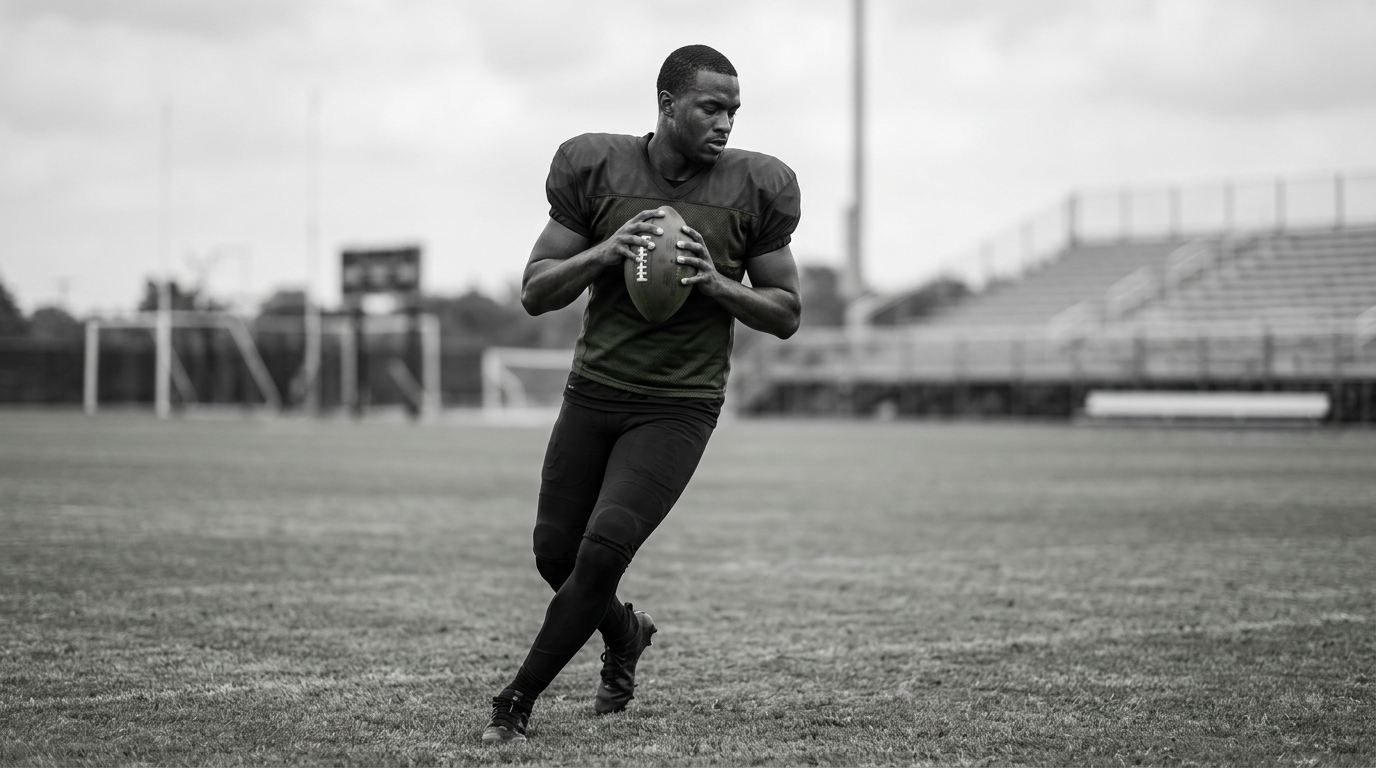
The Cleveland Browns say quarterback Shedeur Sanders made “phenomenal” strides during the club’s offseason workout program, with general manager Andrew Berry citing noticeable progress as the team heads toward training camp. Sanders is entering his second NFL season and remains part of an ongoing quarterback competition under new head coach Todd Monken. Berry said the next evaluation step will come when practices become less scripted and more physical.
Berry’s comments followed the conclusion of the Browns’ spring work and came after he described Sanders as a “work in progress” when the 2025 season ended. This time, Berry pointed to improvement that began early in the calendar year and carried into on-field sessions in May. The Browns have not named a Week 1 starter, and the club expects preseason work to provide clearer evidence of who is most ready to run the offense.
Sanders had an uneven stretch as a rookie. He threw seven touchdowns and 10 interceptions across eight games, and the Browns’ staff identified two priorities coming out of that sample: tightening footwork and speeding up processing. Coaches believe both areas are central to how efficiently the offense functions, particularly as the playbook expands and the quarterback is asked to make more decisions at the line of scrimmage.
Footwork and processing became the focal points
One of the key issues from Sanders’ rookie tape was holding the ball too long. In 2025 he averaged a 3.24-second time to throw, which was the longest in the league since he made his debut in Week 11, according to NFL Next Gen Stats. The data also showed that 18.9% of his attempts were throws released after four seconds, a rate that correlated with 14 pressures and three sacks on those extended dropbacks.
The Browns have emphasized marrying Sanders’ drop and base to the timing of each concept, with the goal of getting the ball out on schedule and reducing unnecessary exposure to pressure. The staff also noted that Sanders’ early-season transition included limited continuity with the starters; the source material states his first practice reps with them came shortly before his first start in Week 12. Even with that context, Sanders acknowledged the need to be quicker.
Offensive coordinator Travis Switzer said Sanders has shown more urgency in his feet and more consistency moving through progressions. Switzer added that the development is ongoing, but the Browns view the direction as positive heading into the summer competition.
GoPro helmet work and preseason reps will shape the decision
As part of the offseason teaching plan, Browns quarterbacks practiced with GoPro cameras mounted on their helmets. The tool allows coaches to review a first-person view of where the quarterback’s eyes go during the play and to replay audio to evaluate communication, including cadence and operation at the line of scrimmage.
The added detail is especially relevant within Monken’s system, which is expected to give the quarterback autonomy to make audibles and adjust plays. That makes faster processing and clean footwork not just individual development goals but functional requirements for the offense to operate as intended.
Cleveland is expected to lean heavily on training camp and the preseason to judge how Sanders responds in padded, live situations and how he handles less scripted game-like work. The Browns have not set a public timeline for naming a starter, and the competition is expected to continue into camp.
What to watch next is how Sanders’ quicker rhythm translates once defenders can close space and the play breaks down, as the Browns move from spring evaluation to preseason decision-making.