Sharpeville Survivors Challenge Apartheid
Survivors of the 1960 Sharpeville Massacre are challenging South Africa's 1961 Indemnity Act in High Court, seeking justice and reparations.
Lauren Collins ·
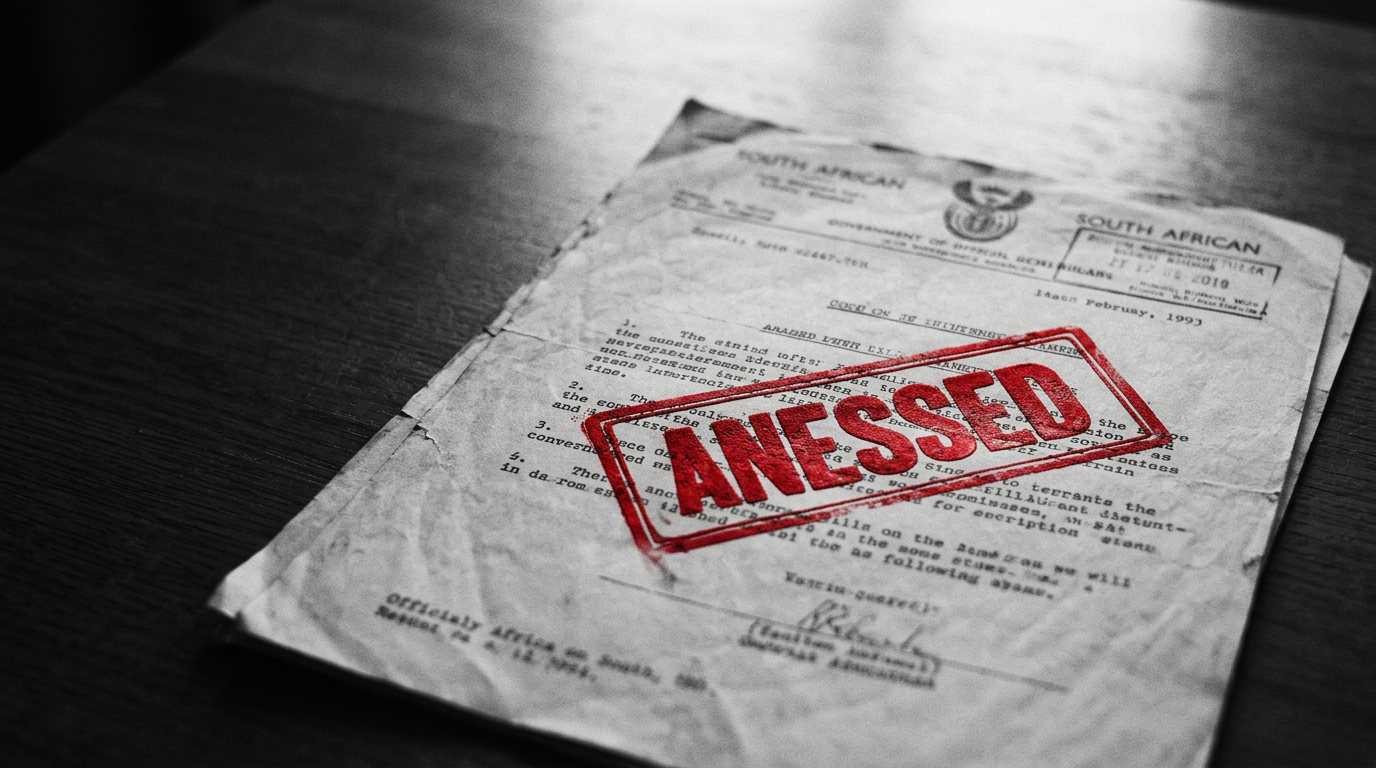
Survivors of the 1960 Sharpeville Massacre have initiated legal proceedings in a South African High Court, aiming to contest the legitimacy of the 1961 Indemnity Act. This critical legislation historically provided immunity from prosecution for individuals implicated in the deaths of at least 69 anti-apartheid demonstrators. The legal action, backed by Lawyers for Human Rights and the law firm Leigh Day, seeks to invalidate the act, which prevented both criminal and civil accountability for the violence.
The Sharpeville Massacre, occurring on March 21, 1960, involved South African police firing upon thousands of unarmed protesters demonstrating against discriminatory pass laws. This brutal incident led to hundreds of injuries and a minimum of 69 fatalities, with some researchers now estimating the death toll could be as high as 91. Shortly after the massacre, the apartheid government enacted the Indemnity Act, granting legal protection to state officials involved. This legal barrier has persisted despite South Africa's democratic transition in 1994.
Constitutional Challenge to Immunity
The current lawsuit argues that the 1961 Indemnity Act is inconsistent with the principles enshrined in the modern South African constitution. Plaintiffs are seeking class-action certification, which would enable them to pursue comprehensive reparations and secure formal acknowledgment of the state's direct involvement in the historical violence. This case highlights the ongoing struggle for judicial redress for victims of apartheid-era state brutality, bringing to light unresolved deep-seated grievances.
Survivors contend that previous reconciliation efforts, such as the Truth and Reconciliation Commission (TRC), did not sufficiently address the significant absence of criminal accountability for the Sharpeville killings. While the TRC offered a platform for victims to share their experiences and recommended reparations, it did not result in widespread prosecutions for apartheid-era atrocities, especially for those shielded by indemnity laws.
Legacy of Apartheid Legislation
The Sharpeville Massacre, now 64 years in the past, remains a pivotal moment in the global anti-apartheid movement. The protests were directed against the infamous pass laws, which mandated that Black South Africans carry documents restricting their movement and residency. Historical accounts indicate that more than 1,300 bullets were discharged into the crowd, injuring over 200 people. The sole legal action that followed the killings was an unsuccessful attempt to charge the protesters themselves with affray, further underscoring the systemic injustice of the period.
This new legal challenge represents a significant effort to achieve a measure of justice that has been systematically denied for over six decades. It aims to overturn a fundamental component of apartheid-era legal protection, potentially establishing a precedent for other victims seeking accountability for historical state violence. The outcome could have far-reaching implications for South Africa's ongoing process of confronting its past, influencing future legal claims and historical interpretations.
Seeking Broader Accountability
The litigation underscores the persistent demand for a full reckoning with the past, moving beyond symbolic gestures to concrete legal and material restitution. The involvement of human rights legal groups highlights the broader societal importance of addressing historical injustices, not just for the direct victims but for national reconciliation and the rule of law. The court's decision will be closely watched as a gauge of how contemporary South African jurisprudence interprets and applies constitutional principles to colonial and apartheid-era statutes.