Senate adopts rule that could let paychecks pause during future shutdowns
The Senate approved a rules change that would make it possible to temporarily halt senators’ pay during funding lapses, a procedural move designed to raise…
Sophie McAlister ·
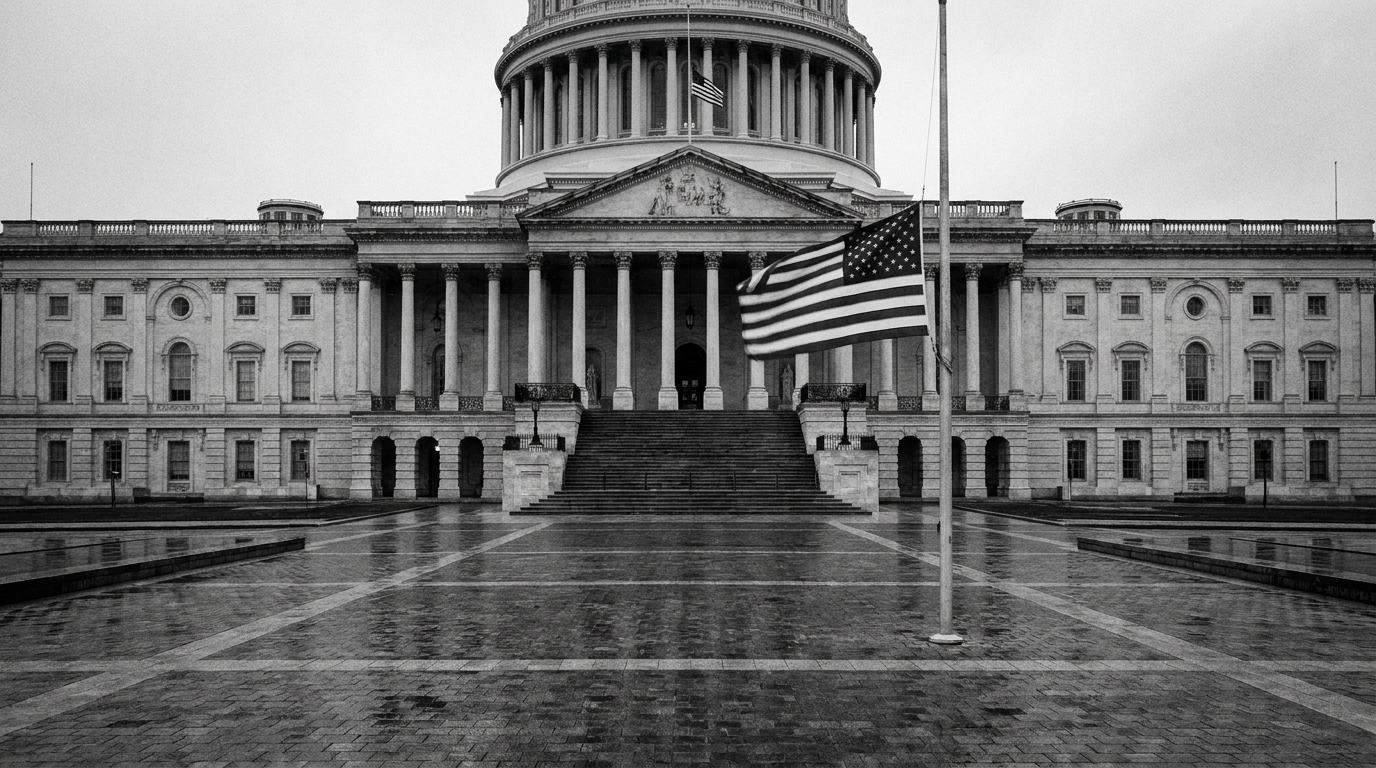
The Senate on Thursday approved a procedural rule change that would allow senators’ pay to be paused temporarily during future government funding lapses. The measure was presented as a deterrent to funding gaps and a way to increase the political consequences for lawmakers when appropriations deadlines are missed. The change comes as Capitol Hill prepares for another high-stakes appropriations cycle this year.
Under the new rule framework, payroll for members of the Senate could be withheld during periods when Congress fails to pass appropriations or continuing resolutions, creating a direct financial consequence for unresolved funding fights. Supporters framed the change as an accountability tool intended to put additional pressure on lawmakers to reach timely deals. Opponents raised concerns about the optics and legal questions tied to altering compensation mechanics for elected officials.
What the procedural shift does — and does not
The change adjusts internal Senate rules to permit a temporary pause in salary distribution tied to funding gaps; it does not itself legislate permanent changes to members’ compensation nor does it propose a new law altering pay rates. The rule creates a mechanism that could be invoked if appropriations stall, but any application of pay withholding would depend on subsequent administrative steps within the Senate’s payroll processes.
Legal and constitutional constraints remain relevant. The timing and legality of withholding pay for sitting members are complex, and any enforcement would likely be reviewed against existing statutes and constitutional provisions that govern compensation for federal officials. That leaves open questions about how, and under what circumstances, the tool would be deployed in practice.
Capitol Hill pressure cooker ahead of appropriations season
The move is explicitly tied to the high likelihood of tight deadlines and partisan standoffs in the coming appropriations season. By linking salary distribution to funding outcomes, Senate leaders aimed to change incentives inside the chamber and force quicker compromises. The rule is intended to influence behavior in a political environment where temporary funding measures and brinkmanship have become common.
For Capitol Hill staff and the broader DC community, the change signals a new lever in the fight over appropriations. Even if the pause mechanism is rarely used, its existence could alter negotiation dynamics inside congressional offices and among leadership, with consequences for how lawmakers prioritize funding bills versus other legislative goals.
What to watch next: whether Senate leaders or the chamber’s administrative offices move to operationalize the pause mechanism and how quickly any attempt to withhold pay would face legal or procedural challenges. Observers should also track whether the House adopts a parallel change or whether litigation or political pushback limits the rule’s impact.