Gaza Family Seed Bank Boosts Food Security Amid Crisis
A family-led seed bank in Gaza is preserving native crop varieties to enhance local food security, distributing drought-resistant seeds to over 200 farmers.
Lauren Collins ·
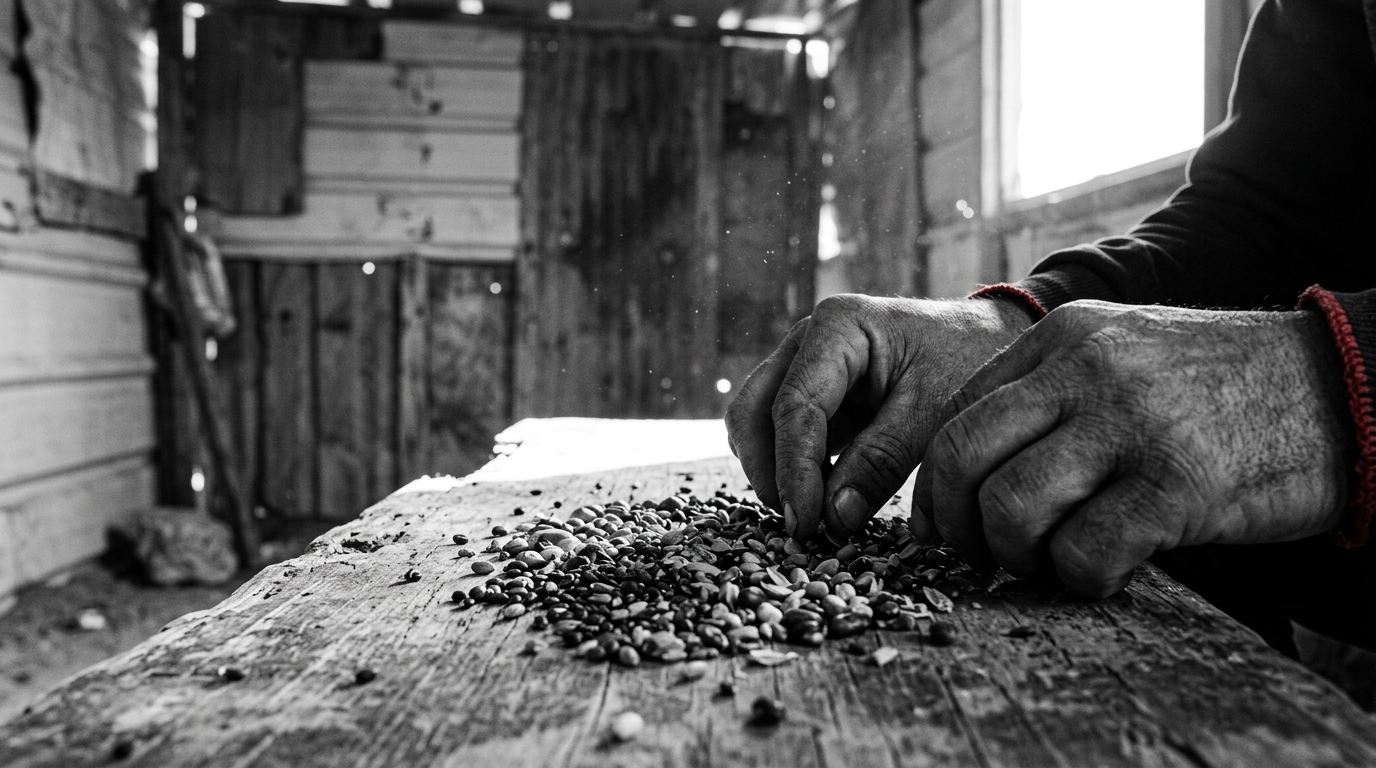
A family in Gaza has established a crucial seed bank in Deir al-Balah, aiming to safeguard indigenous crop varieties and bolster food security across the region. Agronomist Salama Muhanna, alongside his daughter Hanadi, spearheads this initiative, which presently manages a collection of 28 distinct local seed types, including essential crops like wheat, okra, and spinach.
The project, now operating from a displacement camp following the destruction of its original facility in 2024, plays a vital role by distributing these 'baladi' seeds to local farmers. Operating on a sustainable model, farmers return an equivalent quantity of seeds to the bank after each harvest, ensuring the continuity of the supply. This program has successfully assisted approximately 200 farmers, with additional support from the International Committee of the Red Cross (ICRC).
Addressing Food Shortages and Operational Obstacles
The primary objective of the seed bank is to alleviate severe food insecurity, a condition currently impacting 1.2 million people in Gaza. By promoting non-genetically modified, drought-resistant indigenous seeds, the initiative seeks to bypass import restrictions and counter rising food prices. These local varieties are particularly well-adapted to the specific environmental conditions of the area, offering a sustainable alternative.
Despite its critical function, the project confronts significant operational hurdles. These challenges encompass restricted access to cultivable land, deteriorating soil quality, and intense summer temperatures that pose a threat to the viability of the stored seeds. The necessity of relocating operations due to the destruction of their initial site in al-Qarara in 2024 further highlights the difficult environment in which they operate.
Reclaiming Agricultural Heritage in Challenging Times
The ongoing conflict and widespread devastation of agricultural infrastructure have significantly increased the importance of resilient local seed varieties. Baladi seeds are recognized for their inherent resistance to drought, fungi, and pests, providing a critical resource for farmers working under arduous cultivation circumstances. The Muhanna family intends to expand their collection to 42 varieties, aspiring to restore the agricultural diversity present before the conflict.
Beyond providing immediate food, the seed bank project strives to preserve Palestinian agricultural heritage and foster self-reliance among farming communities. This approach assists families in maintaining subsistence even with substantial resource limitations, thereby contributing to the long-term food sovereignty of the region. This endeavor represents a concerted effort to reclaim agricultural agency during a period of profound crisis.
Wider Context of Gaza's Food Security
The Gaza Strip has historically contended with food security issues, driven by a combination of geopolitical and environmental factors. The destruction of agricultural lands, pervasive water scarcity, and restrictions on the entry of essential goods for farming have intensified these problems. Initiatives such as the seed bank are not merely about providing immediate relief; they are foundational to constructing resilient local food systems capable of withstanding external pressures and environmental degradation. Such efforts are crucial for a population heavily dependent on humanitarian aid and facing persistent instability.