Sorbitol Risks Liver Health in Sugar-Free Products
Research suggests sorbitol can be converted into harmful fructose-related compounds in the liver, challenging the health profile of common sugar-free food additives.
Atlas Newsdesk ·
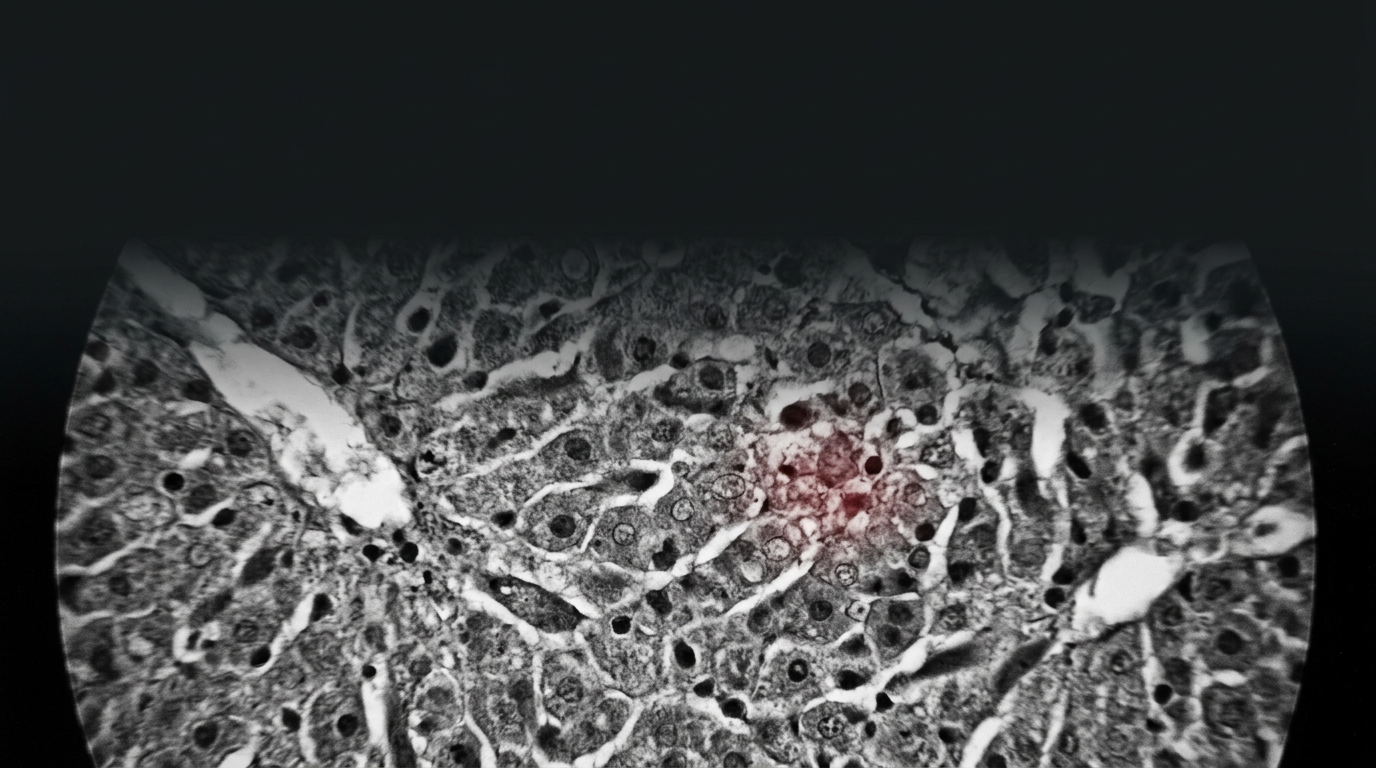
Recent research indicates that sorbitol, a widely used sugar alcohol in low-calorie food products, may pose metabolic risks previously attributed only to fructose. The human body can convert sorbitol into fructose-related compounds within the liver, potentially contributing to steatotic liver disease and other metabolic complications.
Intestinal enzymes can synthesize sorbitol from glucose even in non-diabetic individuals, depending on dietary intake levels. While specific gut bacteria can degrade sorbitol into harmless byproducts, high consumption of glucose or sorbitol can overwhelm this microbial defense mechanism.
These findings suggest that current labeling of "sugar-free" products may not guarantee the intended health outcomes for consumers managing metabolic conditions. The potential for systemic conversion of sugar substitutes into harmful metabolites necessitates a reevaluation of dietary guidelines regarding polyol intake and its impact on long-term metabolic health.