Saudi Arabia Alleges Iran Tanker Attack, Escalating Tensions
Saudi authorities accuse Iran of attacking the oil tanker Sidr in the Strait of Hormuz, resulting in two Filipino crew deaths, raising regional maritime…
Mateo Fernandez ·
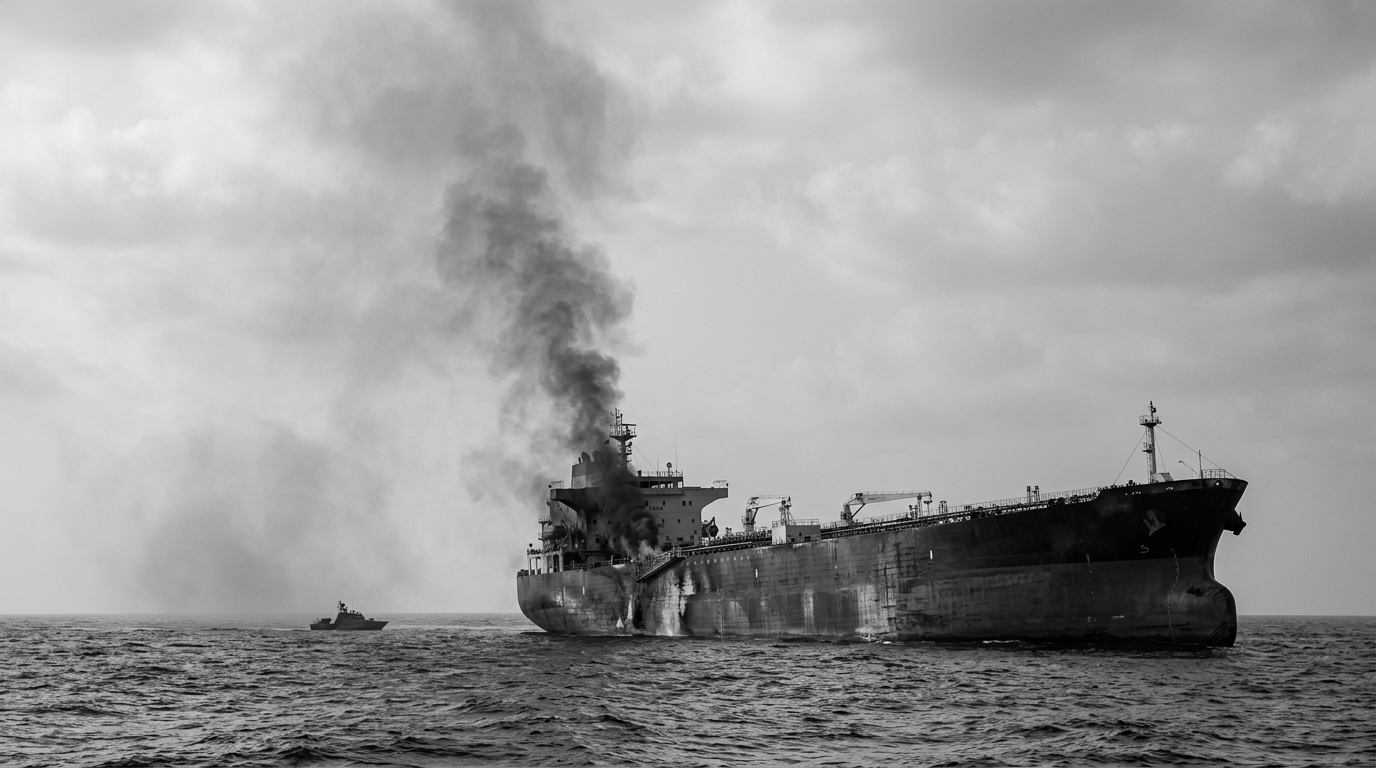
Saudi Arabian officials have attributed an alleged attack on the oil tanker Sidr in the Strait of Hormuz to Iran, an incident reported to have caused the deaths of two Filipino sailors. The event, which occurred on Monday, has intensified worries over maritime safety within this critical global shipping lane. Following the incident, Riyadh underscored the necessity of de-escalation and strict adherence to international maritime safety rules.
The supertanker Sidr was reportedly traversing the Strait of Hormuz, a key passage for oil shipments originating from the Gulf. This purported attack takes place amidst existing regional tensions, highlighting the complex interplay of commercial shipping, global energy flows, and military risks in the area. Saudi authorities have also linked this latest event to previous assaults on Bahri vessels in the Red Sea and near Oman.
Heightened Scrutiny in Key Waterway
Recurring incidents within the Strait of Hormuz carry significant implications for both shipowners and marine insurers globally. Such occurrences frequently lead to re-routing decisions for vessels, re-evaluations of crew safety protocols, and adjustments in war-risk insurance premiums, even before any substantial trade disruption becomes apparent.
The Strait holds global recognition as a strategically vital waterway, with approximately one-fifth of the world's total petroleum consumption, encompassing crude oil and other petroleum liquids, transiting through it daily. Any perceived threat or actual disruption within this maritime passage possesses the potential for considerable international repercussions across various sectors.
Economic and Operational Consequences
For the broader global economy, the primary concern arising from such incidents is the potential for energy supply risk, rather than an immediate reduction in current supply. If maritime traffic continues without significant impediment and insurance providers can absorb the financial impact of these events, the overall effect on global markets might remain contained and manageable.
However, if shipping operators opt to reduce speeds or extend crossing times, or if insurance premiums experience a notable increase due to heightened risk, these elevated operational costs could translate into higher freight rates. This, in turn, could contribute to increased oil risk pricing across the market, impacting consumers and businesses alike.
Saudi officials are expected to release detailed information regarding any damage sustained by the vessel, specific details about the crew involved, or conclusive evidence supporting their attribution of the attack to Iran. The international community is closely monitoring for further clarification and potential diplomatic responses aimed at ensuring stability in this crucial maritime corridor.