Saudi-Houthi Shipping Threat Puts Washington’s Red Sea Deterrence on Watch
Saudi Arabia rejected Houthi maritime blockade allegations and vowed to protect its ships.
Lauren Collins ·
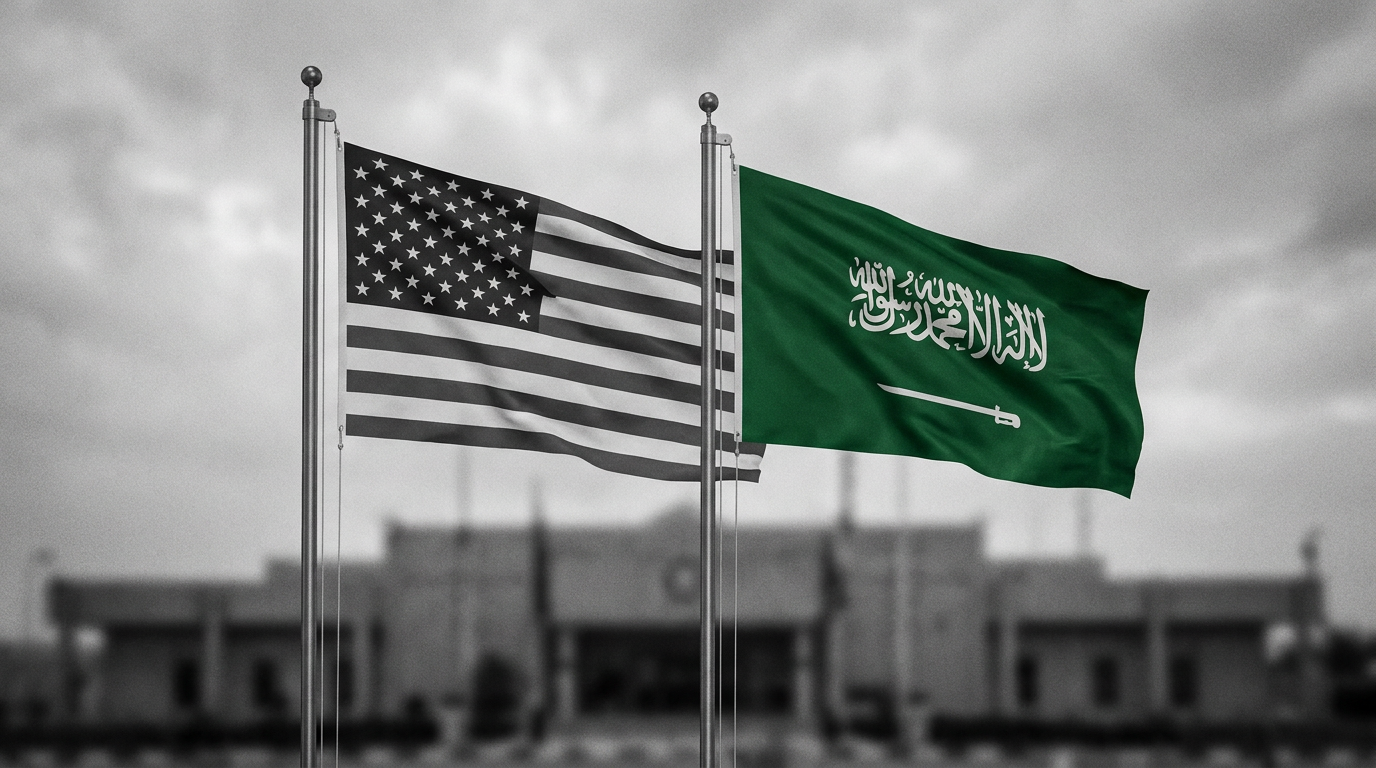
# Saudi-Houthi Shipping Threat Puts Washington’s Red Sea Deterrence on Watch
Saudi Arabia condemned Houthi allegations tied to a threatened maritime blockade and said it would protect its vessels, according to the reported account of the dispute. For Washington, the flare-up puts renewed pressure on a Red Sea security strategy that has tried to contain Houthi attacks without widening the Yemen conflict.
question is whether the threat to Saudi-linked commercial
The immediate U.S. question is whether the threat to Saudi-linked commercial shipping
stays rhetorical or becomes a new operational phase in the Red Sea.
If the Houthis move from warnings to targeting Saudi vessels, the Biden
administration would face a sharper choice between reinforcing naval deterrence and preserving space for fragile Saudi-Houthi diplomacy.
The Houthis, the Iran-aligned movement that controls Yemen’s capital, have used maritime pressure in the Red Sea as a regional lever since the Israel-Hamas war began. Their campaign has focused attention on commercial ships moving near Yemen, where attacks or threats can force shipping companies to reroute, raise insurance costs and draw outside navies into a narrow maritime corridor.
Saudi Arabia sits at the center of the political risk. Riyadh fought a long war against the Houthis after intervening in Yemen in 2015, then shifted toward talks aimed at reducing cross-border attacks and freezing the conflict. A direct Houthi threat against Saudi commercial shipping would test that de-escalation track and could pull Riyadh back toward a harder security posture.
Houthi Shipping Threat Puts
Washington’s role is complicated because it is both a security guarantor for Gulf partners and a manager of escalation risk. The White House and National Security Council weigh the regional diplomacy, including Saudi-Israeli normalization efforts that have been strained by the Gaza war. The Pentagon and U.S. Central Command focus on freedom of navigation, force protection and whether current naval assets can deter new attacks without becoming the center of a broader conflict.
The U.S.-led maritime response, known as Operation Prosperity Guardian, was created to protect shipping lanes and reassure commercial operators that the Red Sea would not become a no-go zone. Its limits have been visible from the start: naval escorts and intercepts can reduce risk, but they cannot by themselves end Houthi launch capability or resolve the political drivers behind the campaign. That leaves Washington managing symptoms at sea while diplomacy tries to contain the conflict on land.
The Bab el-Mandeb strait is the strategic chokepoint behind the urgency. It links the Red Sea to the Gulf of Aden and is a gateway for traffic moving between Asia, the Middle East and Europe through the Suez route. Disruption there does not need to close the passage completely to matter; even a credible threat can change routing decisions, lengthen voyages and raise costs for energy cargoes, manufactured goods and containerized trade.
The Saudi statement matters because it signals that Riyadh does not want Houthi claims to define the security environment around its shipping. By saying it will protect its vessels, Saudi Arabia is also putting down a public marker. That can deter, but it can also create pressure to respond if a Saudi-linked ship is harassed, damaged or forced to divert.
For the Biden administration, the timing is difficult. A tougher military response could reassure Gulf partners and shipping markets, but it could also give the Houthis a larger confrontation with the United States that they can frame as validation of their regional posture. A lighter response could preserve diplomatic flexibility, but it risks making the existing maritime mission look reactive rather than preventive.
Congress would likely enter the debate if the threat escalates. Lawmakers who favor a stronger Iran-containment posture would press the administration to punish Houthi networks, expand interdictions or increase strikes on launch sites. Others would question whether U.S. forces are being drawn into an open-ended maritime campaign without a clear end state.
The industry effect would be felt first by shipowners, insurers and charterers. Commercial operators do not wait for formal declarations of war; they price risk daily. If Saudi-linked vessels become a named target category, companies with Gulf exposure could face new route planning decisions even before any confirmed attack.
The clearest test by 2024-07-20 is whether the United States or its partners announce expanded naval patrols, additional deployments, new warnings from U.S. Central Command or punitive measures tied specifically to threats against Saudi shipping. If that happens, Washington will be signaling that the risk has crossed from regional rhetoric into a challenge to maritime order, with macro effects through trade uncertainty, direct consequences for Saudi shipping and broader pressure on carriers using the Red Sea route. If no posture change follows, and if Houthi threats fade or are publicly narrowed, the current containment model will look more durable, Saudi Arabia can keep the peace track alive and the shipping industry may treat the episode as another risk spike rather than a structural break.