Russia sentences Lev Shlosberg to 11 years in colony
Russia sentenced Yabloko deputy head Lev Shlosberg to 11 years and one month on Monday, as the party remained off the September ballot.
Atlas Newsdesk ·
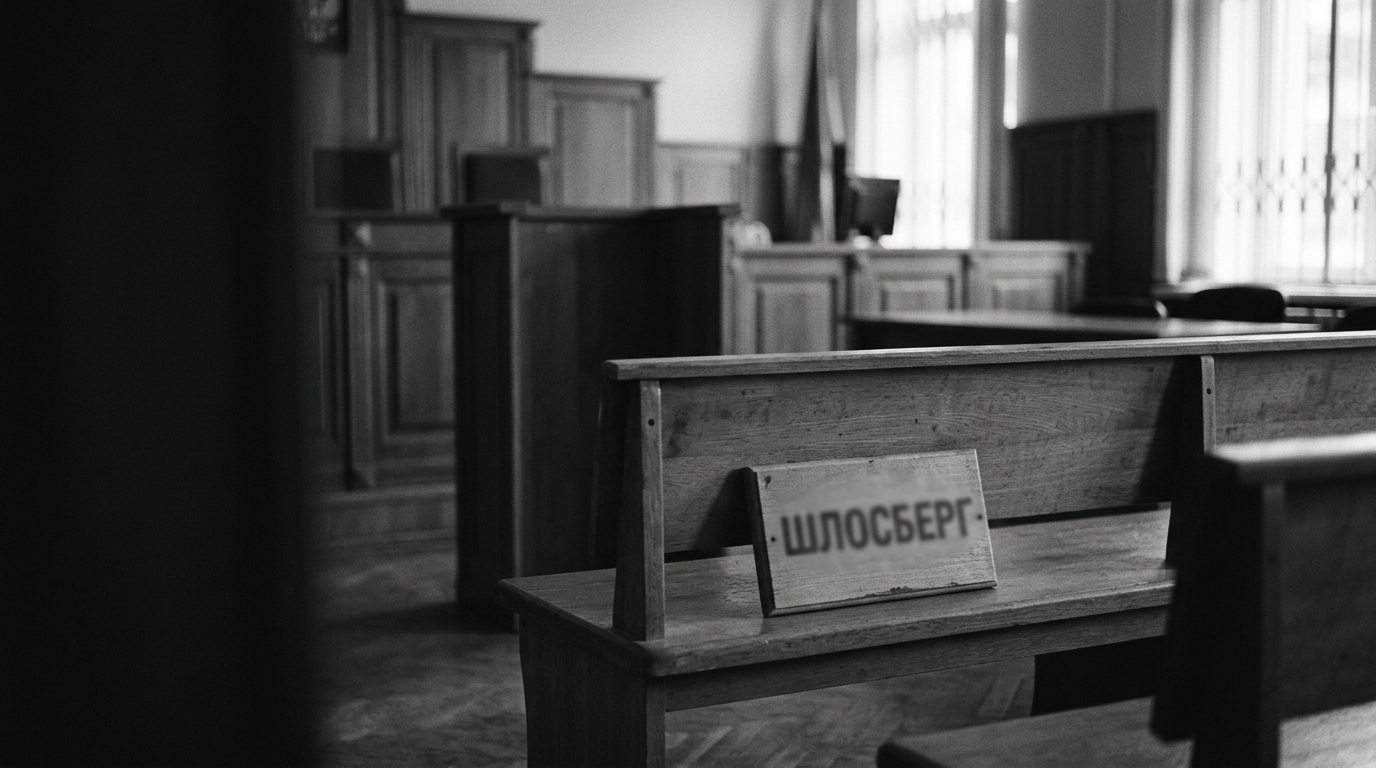
A court in Pskov sentenced Russian opposition politician Lev Shlosberg to 11 years and one month in a penal colony on Monday, officials said. Shlosberg, 63, is deputy head of the Yabloko party.
Officials said he was found guilty of discrediting the armed forces and spreading false information. Details provided about the prosecution said the case centered on Shlosberg’s social media posts that criticized the ongoing conflict in Ukraine.
Pskov case tied to online statements
In the account of the proceedings, Shlosberg’s conviction was linked to public comments made online rather than to election campaigning or organizing activity. The same description framed the verdict and prison term as a tougher application of Russia’s wartime legal framework to domestic dissent.
Beyond the general outline of the charges, officials did not provide additional information on the specific posts cited or the evidentiary basis the court relied on. The material also did not say whether the court ordered penalties in addition to the custodial sentence.
Supreme Court appeal rejection keeps Yabloko off ballot
The sentencing came as Russia’s Supreme Court rejected Yabloko’s appeal against its exclusion from the September parliamentary elections. The timing linked a criminal case involving a senior party figure with a separate judicial dispute over whether the party can participate in the vote.
Yabloko was described as the only registered political organization in Russia that has formally opposed the 2022 invasion. According to the same account of the legal proceedings, the party was removed from the ballot following allegations of extremist ties and copyright infringement.
Election environment described as tightly managed
Authorities were described as using both long prison terms and procedural barriers to limit political rivals. The broader election environment described included restrictions on independent election monitoring, reducing the scope for outside scrutiny of the voting process.
The same account said all other participating parties support the war, leaving limited space for open opposition. Taken together, the court decisions were presented as increasing pressure on individuals through a lengthy sentence while also tightening institutional constraints through exclusion from an election.
Approval rating cited as next legal steps remain unclear United Russia was reported to have a 32.1% approval rating. Even with that figure, the absence of a viable opposition was described as helping authorities secure the electoral outcome they want in the upcoming cycle.
Based on the information provided, it remains unclear whether Shlosberg’s legal team will pursue further legal steps, or whether Yabloko could face additional restrictions beyond the Supreme Court decision. The immediate outcome described is a long penal-colony term for a prominent opposition politician and a court-upheld removal of his party from the next parliamentary vote.