Russian Elections Affirm Ruling Party, Economic Strains Mount
Russia's parliamentary elections are set to reinforce the ruling party's power, despite significant economic headwinds including fuel shortages and rising…
Lauren Collins ·
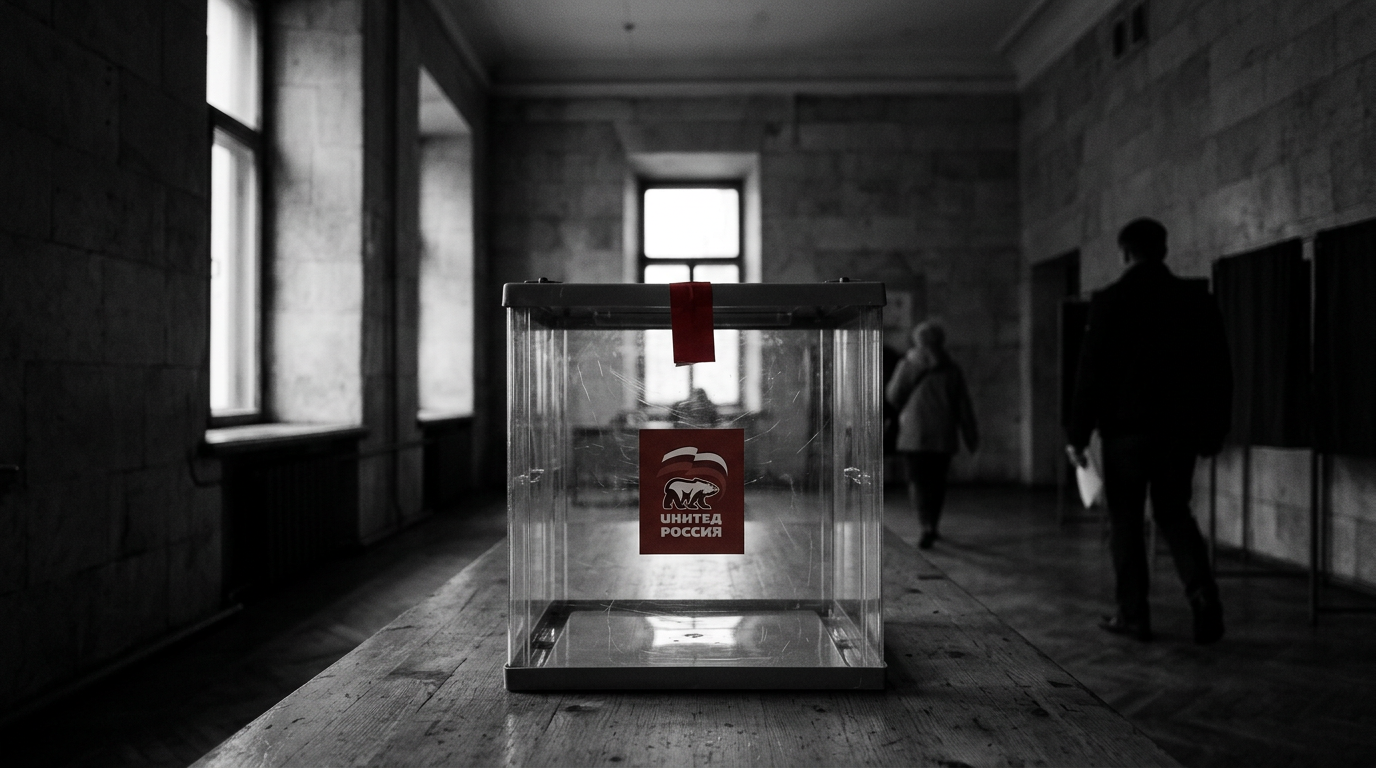
The State Duma elections in Russia are expected to solidify the dominance of the United Russia party, which is polling at nearly 40 percent. This electoral process, which excludes independent opposition groups and lacks international oversight, primarily functions to project domestic legitimacy for the government's military objectives. All secondary parties are polling below 14 percent and consistently align with the ruling party’s legislative agenda.
Economic Pressures Persist
This political consolidation occurs amid deteriorating macroeconomic indicators. Recent data suggests that one-third of the population anticipates rising unemployment over the next 12 months, according to a Levada Center poll published this week. Domestic fuel shortages, including for diesel in some areas, have exceeded 30 percent in specific regions.
The e-commerce sector has sustained estimated losses of $4.74 billion this year, following continued drone strikes on Russian warehouses by Ukrainian forces. The Moscow Times reported these figures this week.
Kremlin Seeks Unity Amid Costs
The Kremlin utilizes these elections to signal national unity, yet the structural economic costs of the ongoing conflict continue to exert pressure on domestic stability. The absence of competitive political alternatives suggests that institutional governance will remain centralized, prioritizing security over addressing systemic economic vulnerabilities.
Scenario Outlook
If United Russia's expected dominance holds, the political landscape will likely remain unchanged, reinforcing the Kremlin's current policy direction. However, if economic strains, such as high unemployment and fuel shortages, intensify, domestic stability could face increasing pressure. A continued focus on military objectives over economic reforms may further delay recovery and worsen living standards for the Russian population.