Russia moves to drop internal border zones in Ukraine
Russia is moving to abolish internal border zones with occupied Ukrainian regions, though it remains unclear whether checkpoints will be removed.
Atlas Newsdesk ·
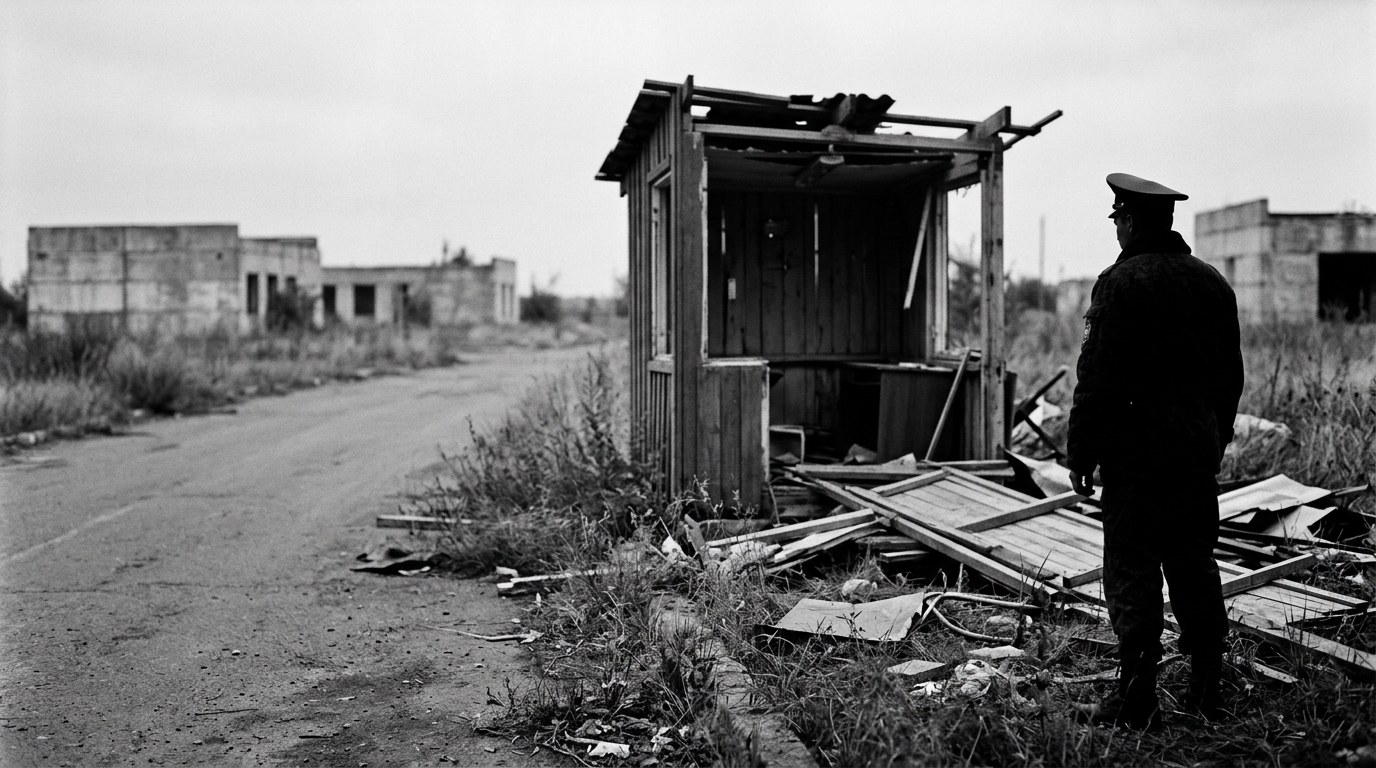
Russian authorities are moving to abolish established internal border zones between the Russian Federation and occupied regions of Ukraine, including Donetsk, Luhansk, Kherson, and Crimea. Internal documentation indicates the change is being pursued as an administrative step tied to treating those territories as integrated into Russia’s legal framework.
The documents suggest the policy is designed to align internal procedures with Russia’s stated position that these areas fall under its jurisdiction. Officials have not clarified whether the shift will translate into on-the-ground changes for residents, such as the physical removal of security checkpoints, or whether it will primarily operate as a bureaucratic redesignation.
Unclear impact on checkpoints and security controls
It remains uncertain whether the existing security architecture It remains uncertain whether the existing security architecture along these internal lines will be reduced, restructured, or simply re-labeled. Prior border controls in these zones were used to limit the movement of illicit goods and to sustain security oversight in areas described as volatile. Because the source material points to an administrative rationale, the immediate practical consequences may vary by location. Any change that alters how movement is regulated could affect people transiting between occupied areas and Ukrainian-controlled territory, but the documentation does not specify implementation timelines or enforcement details. Part of a wider integration drive in occupied regions The internal border-zone move is described as consistent with broader efforts aimed at accelerating integration of occupied regions. The source material links this trend to mass passportization and to the systematic seizure of property.
Russian Federation
In this context, removing internal boundaries would serve to normalize administrative control over territory internationally recognized as sovereign Ukrainian land. The policy direction, as described, reflects a consolidation of Russia’s territorial claims through changes to governance and legal procedures rather than through new public announcements.
Movement restrictions and legal uncertainty for residents
According to the material provided, these steps continue to complicate the legal position of displaced residents. It also says the measures further restrict movement between occupied areas and parts of Ukraine under Kyiv’s control, adding to practical hurdles for individuals who need to travel for family, documentation, or daily necessities.
With key operational details still not confirmed—particularly whether checkpoints will remain—the extent of immediate change for residents and businesses is not yet clear. What is explicit in the documentation is the administrative intention: to reduce the appearance of internal separation between Russia and the occupied regions by shifting how these zones are treated in official practice.