

Russia Reports Overnight Strikes Across Nine Ukrainian Cities
Russian officials announced Thursday overnight strikes targeting nine Ukrainian cities, with market focus on damage confirmation and potential supply chain…
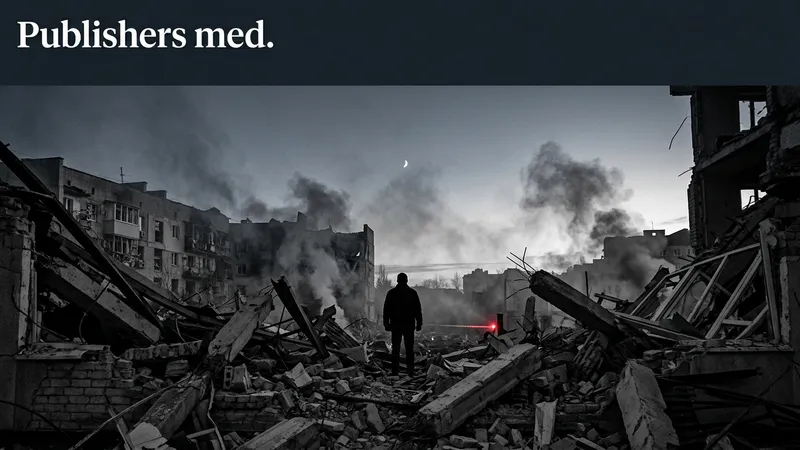
Russian authorities declared on Thursday that their military forces carried out overnight strikes across nine different cities in Ukraine. This statement potentially broadens the geopolitical scope of the ongoing conflict. However, the Russian announcement did not provide specific details regarding the extent of damage, the number of casualties, or a precise enumeration of targeted locations.
The absence of verified information means that immediate assessments of market reaction will depend heavily on subsequent updates from Ukrainian authorities. This includes potential confirmation of widespread damage, any satellite imagery that reveals the impact, and whether critical infrastructure such as energy facilities, transport networks, or export hubs were affected.
Market Response and Escalation Concerns
The reported strikes across nine cities carry significant weight for global financial markets, extending beyond a singular military event. They could signal an escalation of risks. Should Ukrainian authorities verify a pattern of these strikes and confirm extensive damage to civilian power grids or essential logistical infrastructure, investors might begin to anticipate an increased probability of supply chain disruptions.
Such developments could also reignite discussions around the implementation of new international sanctions, potentially reducing the overall appetite for risk within the region. Conversely, if the confirmed damage is ultimately found to be limited in scope, the macroeconomic consequences would likely be more contained. In this scenario, the conflict would likely continue to be perceived as a persistent geopolitical risk rather than an immediate, fresh shock impacting commodity prices, European energy markets, or defense policy expectations.
Operational Impact on Businesses and Sectors
For companies that currently have operational exposure in either Ukraine or Russia, the immediate concerns center on maintaining business continuity, evaluating existing insurance coverage, and managing the associated costs of transporting goods through the affected areas. Broader industry sectors, notably defense and energy, are closely monitoring the evolving situation.
Their focus is on determining if the reported attacks will influence European procurement strategies or lead to increased requests for enhanced air-defense systems from allied nations. Looking ahead, a critical indicator for market observers by August 28, 2026, will be whether Ukrainian authorities corroborate the scale of these strikes and identify any significant damage to infrastructure. Such confirmations would provide markets with a clearer understanding of potential economic transmission channels and the broader impact of the hostilities.
Geopolitical Implications
Beyond market fluctuations, the nature and targets of these strikes could also have profound geopolitical implications. An attack on civilian infrastructure, if confirmed, could prompt a stronger international response and reshape diplomatic efforts. The ambiguity surrounding the Russian statement itself highlights the information warfare aspect of the conflict, making independent verification crucial for policymakers and analysts.
The incident also underscores the constant threat of operational disruptions for international businesses operating in or near conflict zones, necessitating robust risk management strategies and contingency planning. The long-term stability of regional economies remains contingent on the trajectory of such military actions and the international community's response.
More stories
- Russian strikes hit Ukraine plants after Trump ceasefire statement
- Saudi flights divert after Dammam airport targeted
- US said to threaten Ukraine weapons, intelligence aid
- Riyadh airport hit again as Trump weighs US role
- Houthis hit Riyadh airport after 12 killed
- Yemen Cabinet backs Houthi terrorist label after 12 deaths
- NATO Warns of Potential Russian Hybrid War Escalation
- Russia Threatens UK Military Sites Over Ukraine Aid
- Planet Fitness Faces Securities Lawsuit Lead Plaintiff Deadline
- Israel Syria strikes test US role between Turkiye, Israel