Rubio keeps Iran talks door open while signaling US pressure will hold
Marco Rubio said the United States remains open-minded on Middle East negotiations but doubts Iran is taking talks seriously.
Lauren Collins ·
# Rubio keeps Iran talks door open while signaling US pressure will hold
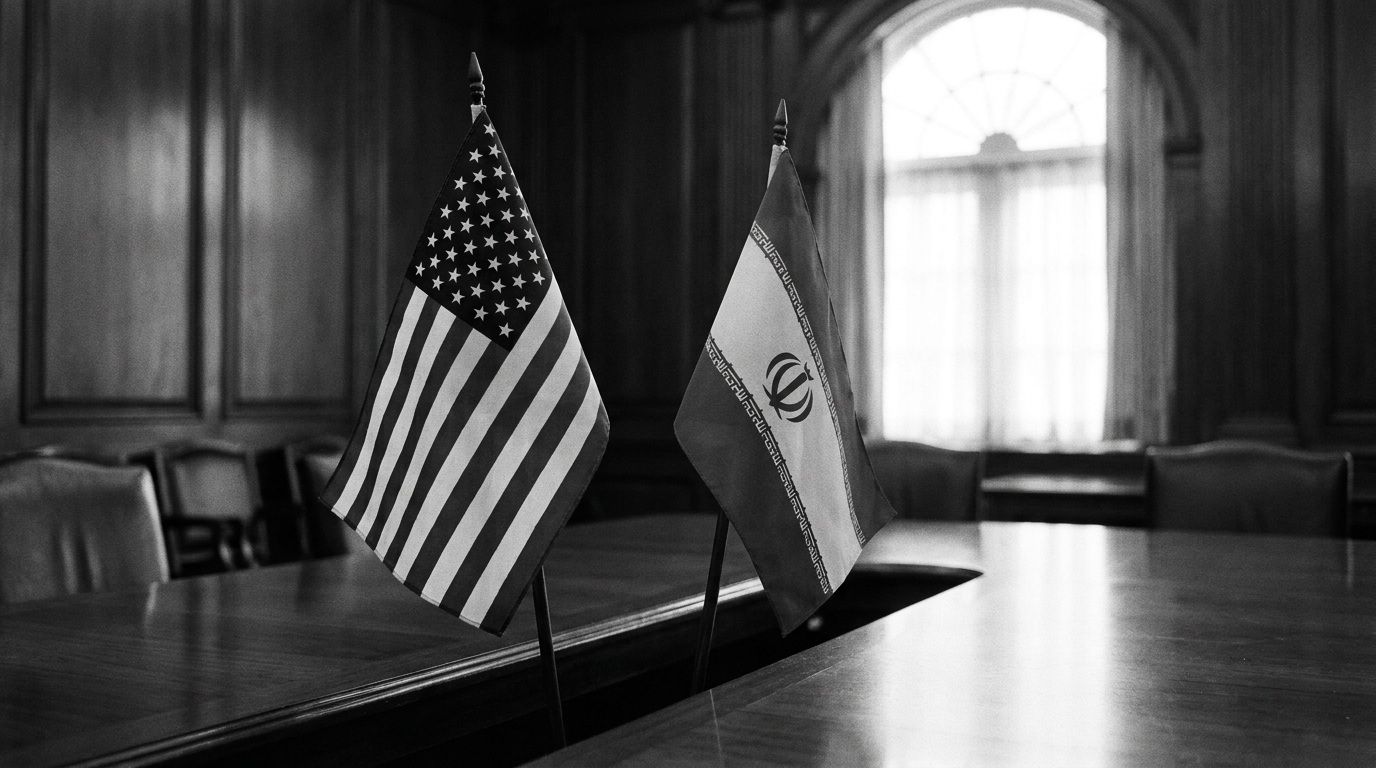
Marco Rubio used a meeting of Southeast Asian foreign ministers in Manila to say Washington remains open-minded about Middle East negotiations, while warning that Iran is not approaching talks seriously. His message gave U.S. policy its familiar two-track shape: leave a diplomatic channel visible, but make clear the United States will "do what's necessary" to protect its interests if Tehran does not engage.
Marco Rubio
For Washington, the line matters because it signals continuity more than de-escalation. Rubio did not describe a new negotiating framework, a new intermediary, or a concession meant to restart a broader bargain with Iran; he framed diplomacy as available only if Iran changes its conduct first.
The U.S.-Iran file sits at the intersection of nuclear policy, regional security and domestic politics in Washington. The White House sets the strategic line, the State Department manages diplomacy, the Pentagon prepares military options and protects U.S. forces, and Congress can harden the policy through sanctions or oversight hearings. That structure makes sudden openings difficult unless the administration can show that talks would reduce risk rather than reward pressure from Tehran.
The diplomatic backdrop is the long unraveling of the nuclear bargain that once limited Iran's atomic program in exchange for sanctions relief. After the United States left that accord during the first Trump administration, later efforts to revive or replace it failed to produce a durable settlement. Since then, Washington has treated Iran not only as a nuclear challenge, but also as a regional actor whose ties to armed groups shape U.S. calculations in the Gulf, Iraq, Syria, Lebanon, Yemen and the Red Sea.
Rubio's comments also reflect the way Iran policy
Rubio's comments also reflect the way Iran policy is heard on Capitol Hill. Many Republicans argue that Tehran uses talks to buy time, while many Democrats remain wary of military escalation but face pressure to show that diplomacy would be enforceable. That leaves administrations with a narrow public posture: say the door is not closed, but pair that line with sanctions, military readiness and demands for verifiable Iranian steps.
The Manila setting added a second layer to the message. Rubio was speaking in Asia, not at a Middle East conference, which allowed him to connect the Iran file to a wider U.S. argument about credibility and deterrence. In Washington's view, adversaries and partners both watch whether U.S. warnings are followed by concrete action, especially when the same administration is managing competition with China, the war in Ukraine, instability in the Middle East and pressure on global energy routes.
The immediate policy question is whether Rubio's language marks a prelude to new talks or a public justification for more pressure. The wording points more strongly to coercive diplomacy: diplomacy remains possible, but the burden is placed on Iran to prove seriousness before Washington changes course. In practical terms, that keeps sanctions enforcement, military signaling and coordination with regional partners at the center of U.S. policy.
The risk is that both sides define seriousness in ways the other cannot accept. Washington may look for limits on nuclear activity, reduced pressure from Iranian-aligned groups, or credible use of intermediaries. Tehran may instead seek sanctions relief, recognition of its leverage, or guarantees that a future U.S. administration will not abandon a deal. Without a bridge between those demands, statements of openness can coexist with a steady rise in pressure.
By 2026-10-25, the clearest test will be whether Washington authorizes explicit diplomatic
outreach to Iran through a named channel such as Oman or Qatar, with specific conditions attached, or instead rolls out new sanctions tied to Iran's economy, military networks or bargaining leverage.
If the United States announces major sanctions while repeating that Iran lacks
diplomatic credibility, the current reading is right: Washington is keeping talks as an option while relying mainly on pressure. If senior U.S. and Iranian officials enter substantive direct or mediated talks and both sides publicly describe the process as constructive, the reading is wrong because Washington would have shifted from skepticism to a real attempt at negotiated de-escalation.