Robotaxi expansion pits Zoox against Waymo in US cities
Zoox and Waymo are extending driverless ride-hailing programs to five US cities as competition broadens after Zoox's paid Las Vegas launch.
Jason Kwon ·
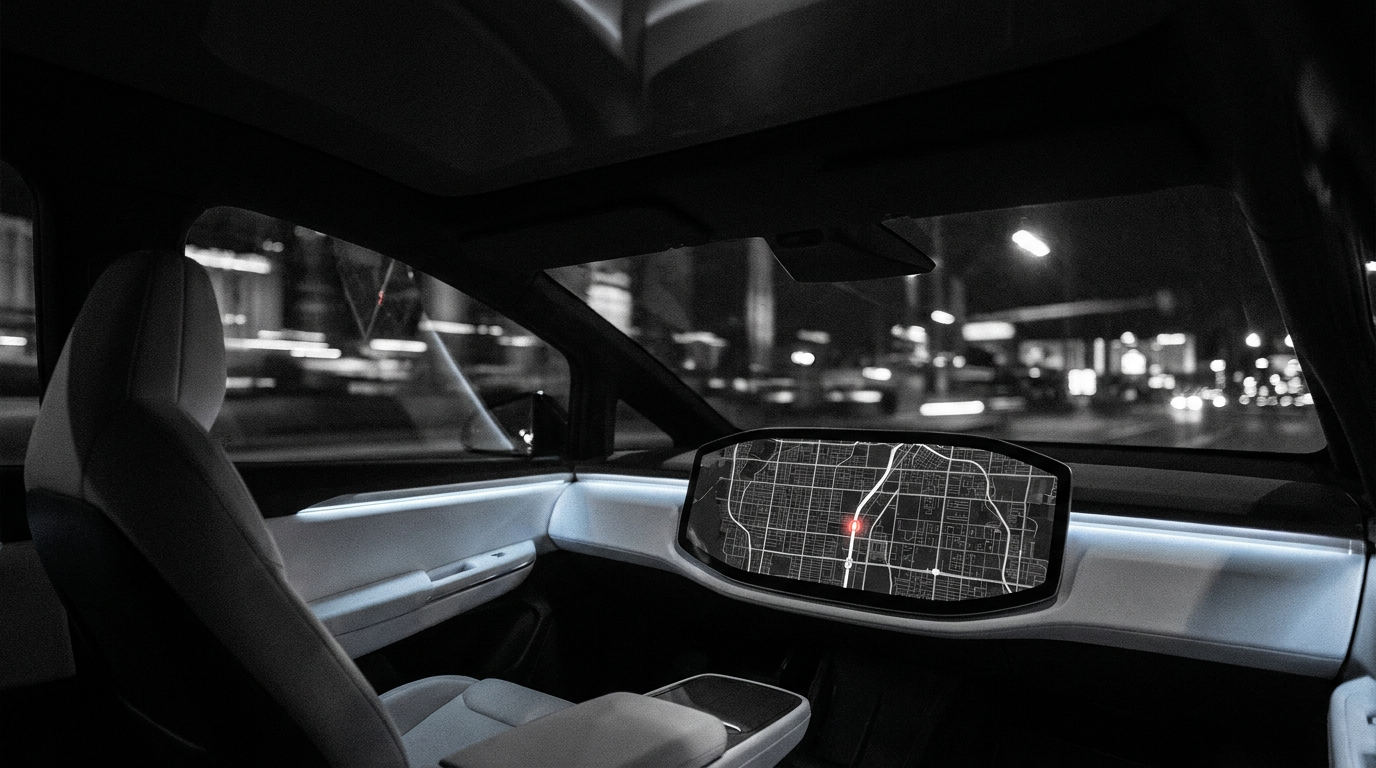
Robotaxi expansion is moving into five more US cities as Zoox and Waymo widen driverless ride-hailing tests and public access.
Amazon's Zoox said Tuesday it plans to start testing in Houston and San Diego, taking its US footprint to 12 locations. Alphabet's Waymo separately said it will open its fully autonomous ride service to initial public riders in Denver, San Diego and Tampa, lifting its city count to 14.
The announcements put both companies deeper into a market still defined by staged rollouts, city-by-city regulatory exposure and fleet operations that require mapping before commercial scale. Zoox's move follows its August start of paid rides in Las Vegas, while Waymo is expanding a service that already charges riders in several US cities.
Zoox adds two test markets
Zoox said Houston and San Diego will begin with retrofitted test vehicles used for manual mapping and testing. The company said that step comes before deployment of its purpose-built driverless robotaxis, the vehicle format that distinguishes Zoox from services built around conventional cars.
The company has already carried passengers without charge in Las Vegas, San Francisco, Austin and Miami as part of its test program. Its paid Las Vegas launch in August turned that testing base into a commercial service, giving Amazon's autonomous vehicle unit a revenue-facing foothold in a field led in many cities by Waymo.
Houston gives Zoox a large Sun Belt market with complex arterial roads, while San Diego adds another California city where autonomous vehicle operators can collect urban and coastal driving data. The company did not state when paid service would begin in either city, leaving the next commercial milestone tied to testing progress and local approvals.
Waymo opens three rider queues
Waymo said it will begin accepting its first public riders in Denver, San Diego and Tampa. The company said access in the three cities will expand gradually, a phased approach that lets it control fleet density, rider volume and operating conditions as service begins.
The three-city addition brings Waymo's fully autonomous ride service to 14 cities, according to the company. That wider base gives Alphabet's autonomous driving unit more locations for real-world operations, although each market still requires localized mapping, fleet support and coordination with municipal traffic systems.
Waymo is also preparing a European push. The company said last month it would begin testing in Munich before a planned commercial launch in Germany toward the end of 2027, extending its rollout beyond the US city network where most driverless ride-hailing activity has been concentrated.
Paid rides raise the stakes
The timing matters because Zoox's move from free passenger testing to paid rides narrows the gap between technical demonstration and consumer service. Once riders pay, companies face a different test: reliability, vehicle availability and public tolerance for driverless operations become part of the product rather than the experiment.
Waymo enters that phase with more announced service cities, while Zoox is emphasizing a purpose-built vehicle that could change the cost and layout assumptions of ride-hailing if it scales. Tesla remains another competitor in the broader autonomous ride-hailing race, although the latest city announcements came from Zoox and Waymo.
The industry effect is cumulative rather than immediate. More test cities can increase demand for mapping, remote assistance, vehicle maintenance and sensor supply chains, but commercial economics depend on utilization, safety performance and the pace at which riders are allowed onto the platforms.
City rollouts set the test
If Zoox completes mapping in Houston and San Diego without delaying its purpose-built fleet, Amazon gains two additional proving grounds for a service that has only recently begun charging riders. For the wider sector, that path would put more pressure on rivals to show that custom robotaxi design can operate at city scale.
If Waymo's gradual rider access in Denver, San Diego and Tampa holds, Alphabet strengthens its lead in operating breadth and adds more data from varied US markets. The macro effect would still be narrow, but a broader autonomous ride-hailing network could redirect more transport spending toward technology fleets, charging, maintenance and local operations.
If testing slows or access remains limited, the near-term impact shifts back to capital discipline and regulatory patience. Zoox would face a longer path from mapping to paid service in its new cities, Waymo's 14-city footprint would remain partly staged, and the industry would have more evidence that autonomous ride-hailing expands by permission and operating proof, not announcements alone.