Rising Temperatures Drive Up Home Cooling Costs, Redefine Natural Light Value
Record summer temperatures are forcing U.S. homeowners to reassess natural light, as cooling expenses climb by over 10% from 2025 levels.
Ayla Demirhan ·
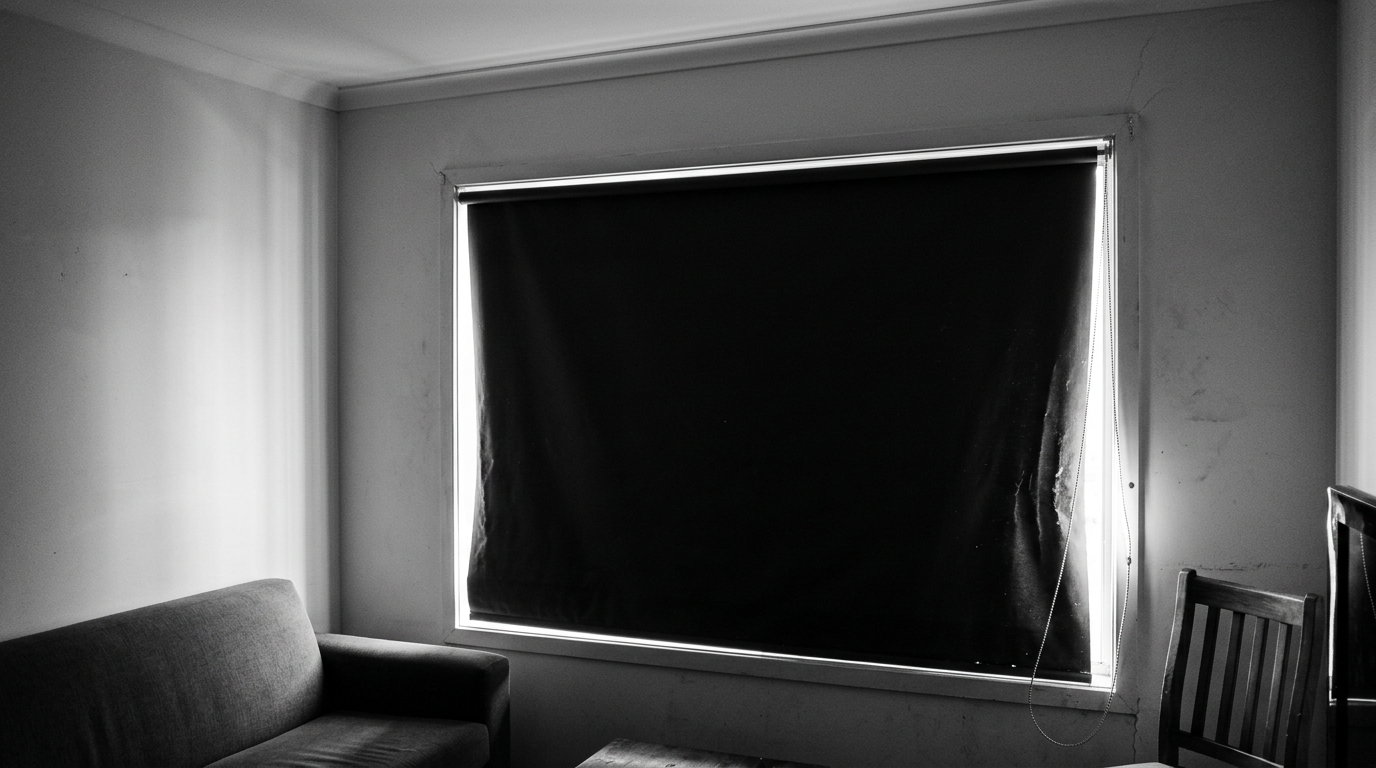
Unprecedented summer heat is fundamentally altering how homeowners perceive and manage natural light, transforming a once-desirable feature into a significant contributor to escalating energy bills. The aesthetic appeal of brightly lit interiors now directly conflicts with the increasing financial burden of mitigating heat infiltration, compelling households to find new solutions.
Data from the Centers for Environmental Information indicates that July 2026 registered as the warmest month ever recorded for the contiguous U.S., with an average temperature of 76.9°F. This intense heat directly translates into higher household expenditures. The Energy Assistance Directors Association projects the average U.S. household electricity spending for summer 2026 to reach approximately $792. This figure represents a 10.5 percent increase compared to 2025 and is nearly 40 percent higher than levels observed in 2020.
Increased Energy Consumption
Mark Wolfe, Executive Director of the Energy Assistance Directors Association, highlighted that the combination of rising electricity rates and hotter summers compels households to consume more power. This trend results in substantially elevated cooling costs for many homeowners across the country. The financial strain is prompting a re-evaluation of energy efficiency strategies within residential properties.
Windows are a primary factor in residential energy usage. According to estimates from the Department of Energy, heat gain and loss through windows account for 25 percent to 30 percent of a home's total heating and cooling energy consumption. During periods of extreme heat, this percentage translates into considerable financial outlays for property owners. South-facing windows, while enhancing interior brightness, channel substantial solar heat into homes, forcing air conditioning systems to operate more intensely and consume greater amounts of electricity.
Persistent Demand for Natural Light
Despite the escalating costs associated with heat gain, consumer preference for natural light remains robust. A 2026 Redfin survey revealed that 44 percent of U.S. residents would opt for a smaller home with abundant sunlight over a larger, darker alternative. Furthermore, 57 percent of respondents considered natural light either “non-negotiable” or “very important” when evaluating prospective homes.
Cassia Bourne, a principal agent with Redfin in Denver, noted that insufficient natural light can deter potential buyers, emphasizing its critical role in property resale value. This enduring preference presents a challenge for homeowners aiming to reduce energy consumption without diminishing their property's market appeal. Balancing energy efficiency with aesthetic desires is becoming a key consideration in real estate decisions.
Effective Window Treatment Solutions
Homeowners have several practical options to mitigate heat gain through their windows. Consumer Reports, referencing Department of Energy guidance, states that the strategic deployment of window coverings can reduce unwanted solar heat gain by as much as 77 percent. Simple solutions include medium-colored drapes with white plastic backings, which can cut heat gain by approximately 33 percent.
Fully closed, highly reflective blinds offer an even greater reduction, achieving around 45 percent. Exterior awnings provide significant relief, particularly on west-facing windows, where they can reduce solar heat gain by up to 77 percent, according to Department of Energy findings. These measures offer immediate and tangible benefits in managing indoor temperatures and reducing energy expenditure.
Future Window Management Approaches
The next 12 to 24 months are anticipated to bring a significant evolution in how households manage their windows. This shift will move beyond basic open or closed states to more sophisticated, energy-conscious decisions. Static-cling and low-emissivity (low-e) films are expected to see widespread adoption as a renter-friendly solution. These films can lower summertime room temperatures by several degrees, though they may also slightly reduce visible light transmission.
Another emerging trend involves seasonal window treatments becoming standard practice. This would include the temporary deployment of solutions such as blackout curtains or removable films during peak summer months. For long-term, professionally installed solutions, advanced spectrally selective coatings are projected to become a benchmark. These coatings are capable of filtering 40 percent to 70 percent of heat while largely maintaining visible light transmission, offering an optimal balance between energy efficiency and natural illumination.