Nepal Rescuers Find Two Survivors 10 Days After Floods
Two individuals were rescued alive in Nepal on Saturday, ten days after devastating floods and a glacial collapse. Search efforts continue for thousands.
Lauren Collins ·
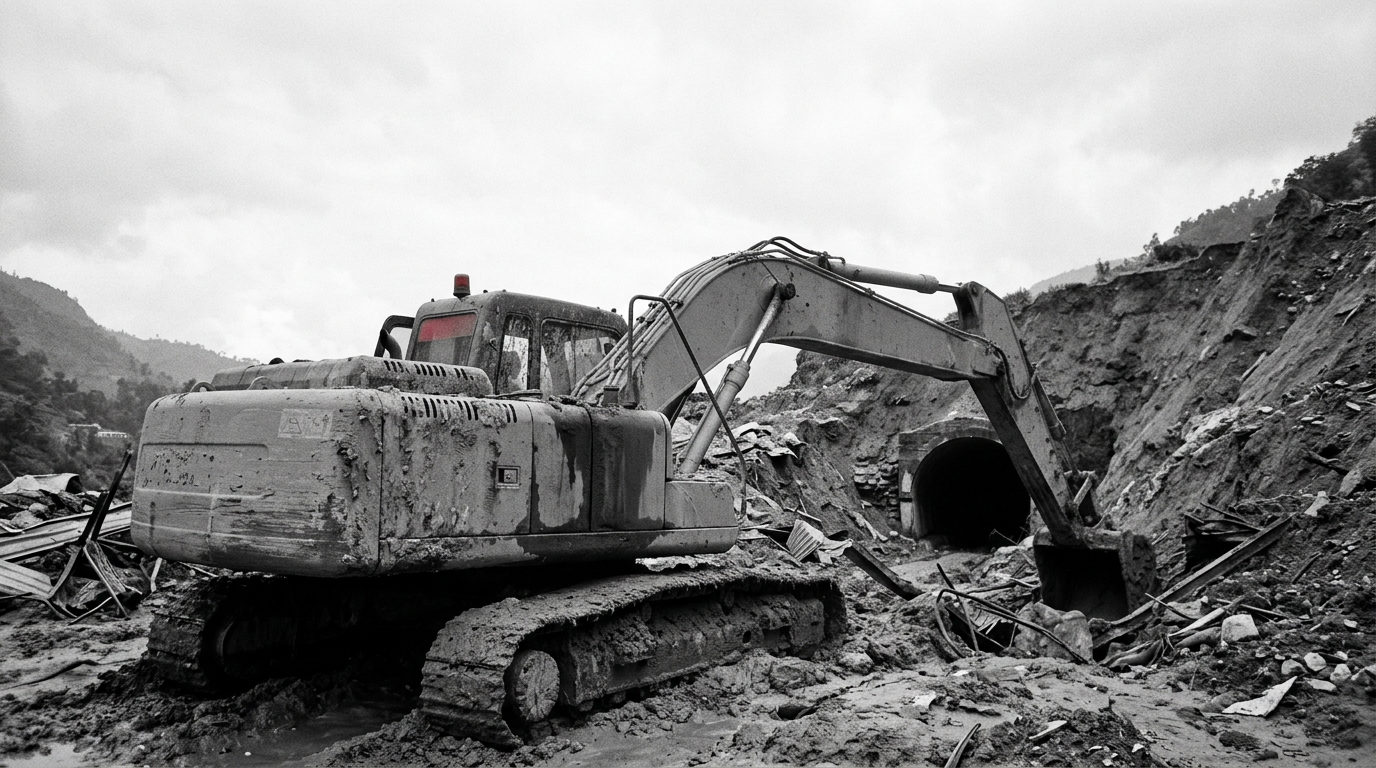
Emergency teams in Nepal successfully located two survivors on Saturday, ten days after destructive floods and a glacial lake outburst severely impacted the region. This breakthrough in search operations occurred following the August 26 disaster, which caused widespread devastation and left thousands missing.
One rescue involved a joint operation by Nepali military personnel and South Korean specialists. They extracted a Chinese national from a tunnel at the Upper Trishuli-1 hydropower project. Simultaneously, a separate rescue effort in Nuwakot located a 64-year-old woman in a residence submerged by mud and debris. Both individuals were immediately airlifted to Kathmandu for urgent medical assessment and treatment, underscoring the critical health risks for those trapped for extended periods.
Ongoing Search Efforts and Missing Persons
These recent recoveries highlight the persistent search for approximately 5,000 individuals who remain unaccounted for since the catastrophe. Current operations are intensely focused on a dozen hydropower sites, where around 900 workers are still missing. Officials estimate that approximately 500 of these workers might be trapped within subterranean infrastructure due to the extensive damage caused by the floods.
The arduous rescue operations are receiving significant assistance from international teams. Experts and aid workers from the United States, India, China, and South Korea are collaborating closely with local authorities. Their combined expertise is crucial for navigating the challenging mountainous terrain, which is currently littered with widespread debris and features extensively damaged structures, complicating access.
Widespread Impact and Challenges for Rescue
The floods have caused immense human suffering and infrastructural devastation across Nepal. Confirmed fatalities have reached at least 1,375. The country's infrastructure has sustained significant damage, including the collapse of more than 40 bridges, which are essential for connectivity and the delivery of humanitarian aid. The sheer scale of this destruction makes it difficult to reach remote areas and deploy heavy machinery necessary for large-scale recovery.
Despite these isolated successes, disaster management officials temper expectations regarding further survivor discoveries. They emphasize that the probability of finding additional survivors diminishes considerably with each passing day. A primary concern remains the fate of the hundreds of workers believed to be trapped in hydropower facilities. The complex mountainous environment, combined with severe structural damage to these critical sites, poses formidable obstacles. Specialist equipment and highly trained personnel are required to access and stabilize compromised subterranean areas, turning every effort into a significant logistical challenge. The ongoing situation underscores the inherent vulnerability of critical infrastructure to natural disasters in seismically active and geologically unstable regions like Nepal.