Iran Strike Reports Near US Bases Raise Gulf Tensions
Unconfirmed reports on August 30 detailed potential Iranian attacks near US military facilities in Jordan, raising concerns for Gulf tensions and the Strait of Hormuz.
Mateo Fernandez ·
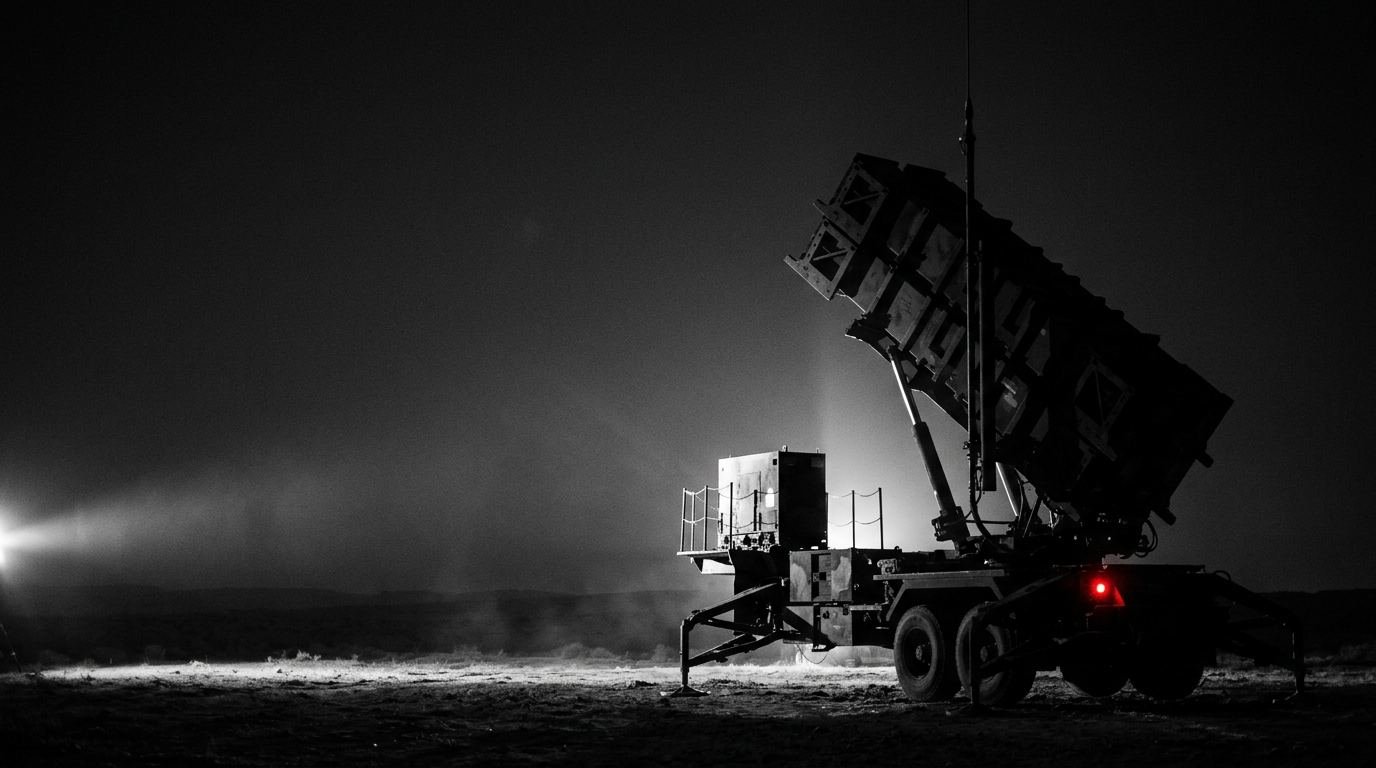
Unverified reports emerged on August 30 regarding potential Iranian attacks near United States military facilities located in Jordan. Concurrently, Patriot missile defense systems were reportedly activated in the night sky. These claims, though awaiting official confirmation, immediately brought to light potential military risks surrounding the Strait of Hormuz, a crucial corridor for global oil and shipping.
Further accounts suggested that the U.S. military had launched strikes against Iranian rocket launchers situated on Larak Island. These actions were purportedly undertaken to preempt the deployment of rockets near the strategically vital waterway. If these sequences of events are officially confirmed, the incident would signify a transformation from a localized base security concern to a significant escalation risk across the broader Persian Gulf region.
Escalation Concerns in the Gulf
The immediate and most critical aspect of these reports centers on their verification. As of the initial accounts, officials had not issued a comprehensive public statement. This absence of official information left several key details unaddressed, including any potential casualties, the extent of damage incurred, and the full scope of a U.S. response. The Strait of Hormuz, a narrow passage connecting the Persian Gulf with the open ocean, holds paramount importance for global energy markets, making any disruption there a matter of international concern.
For global markets, a confirmed military exchange involving U.S. forces and Iranian launch sites in proximity to Hormuz would carry direct and significant implications. Such an event would inevitably increase risk premiums for energy transit, elevate insurance costs for shipping, and necessitate a reassessment of the regional military posture. This heightened uncertainty impacts all sectors reliant on stable oil and gas supplies and secure shipping routes.
Market and Security Ramifications
The U.S. military faces questions concerning the effectiveness of its air defenses in intercepting potential threats and whether further retaliatory strikes will be authorized. Companies operating within the oil, shipping, and defense sectors are directly exposed to these developments. Their primary concerns revolve around the security of maritime routes, potential increases in freight premiums, and the demand for advanced air-defense systems in the region.
Should the reported exchange remain an isolated incident, markets might interpret it as a regional security event with limited broader spillover. However, if officials confirm additional rocket launches or retaliatory actions by August 31, the focus would intensify on traffic through the Strait of Hormuz, the protection of U.S. forces stationed in the region, and whether regional partners would request additional air-defense capabilities. The long-term stability of the region depends heavily on de-escalation efforts and transparent communication from all parties involved.
Broader Regional Context
The Persian Gulf region has a long history of geopolitical tensions, often centered around maritime security and energy supply routes. The Strait of Hormuz, through which roughly one-fifth of the world's total oil consumption passes, is particularly sensitive to any military actions. The presence of U.S. forces in the region is often cited as a deterrent against aggression and to ensure the free flow of commerce. Any incident, however minor, near such a critical chokepoint or U.S. assets can quickly draw international attention and raise fears of broader conflict.
Past incidents in the Gulf have shown that even unconfirmed reports can trigger market volatility. The immediate reaction of energy futures and shipping insurance rates provides a real-time indicator of perceived risk. Maintaining open lines of communication and diplomatic channels is crucial to preventing miscalculations that could lead to unintended escalation in an already volatile region.