Red Sea Clash Between the U.S. and Houthis: What Iran Learned
A Stimson Center analysis argues the recent U.S.-Houthi clashes in the Red Sea offered Tehran a playbook on proxy testing, deniability and calibrated…
Sophie McAlister ·
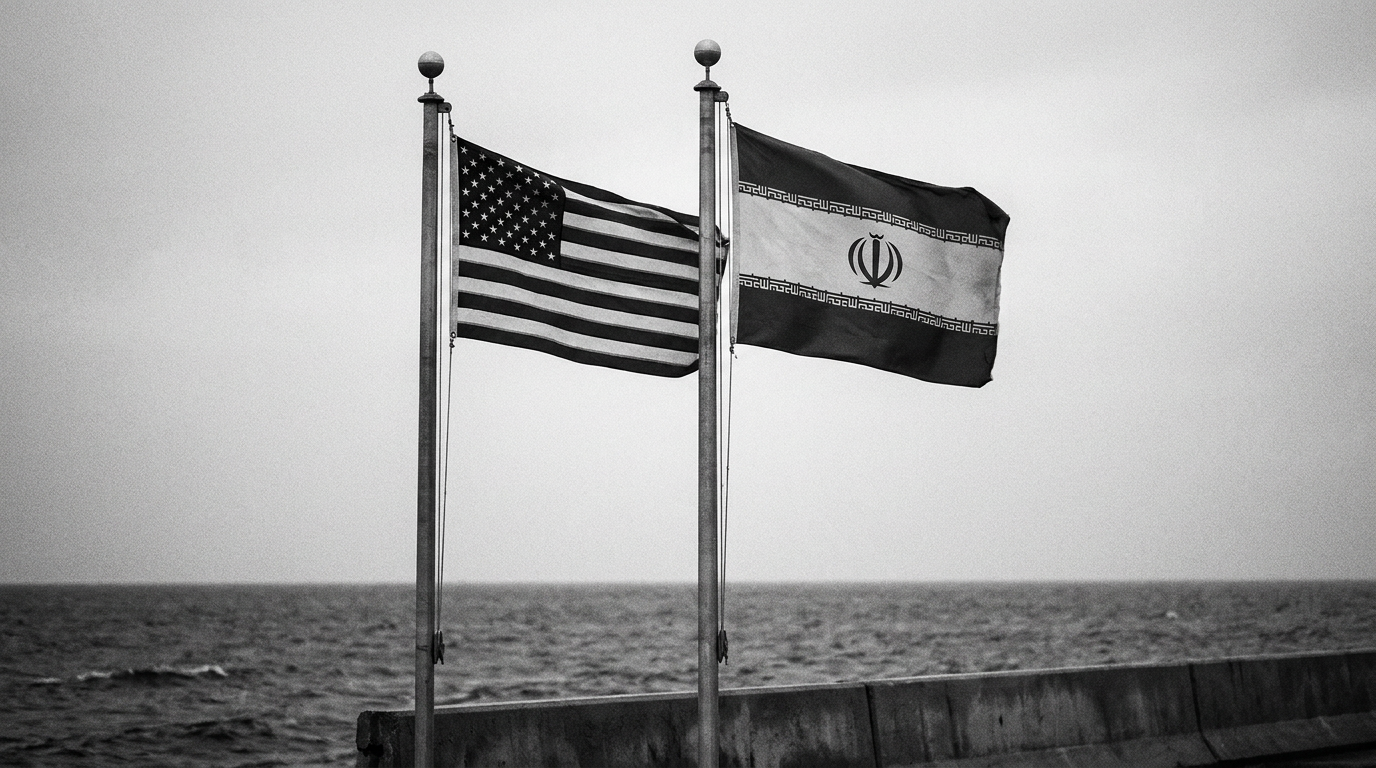
The Stimson Center published an analysis of the recent confrontations between U.S. forces and Houthi militants in the Red Sea, arguing the episode offered Tehran tactical lessons about using proxies and limited escalation. The piece examines how U.S. efforts to protect shipping and deter attacks produced outcomes that Iran could study and replicate elsewhere. The analysis frames the episode as part of a pattern in which outside interventions pursue constrained objectives and local actors adapt.
According to the Stimson Center, the clashes in the Red Sea involved a sequence of attacks on commercial vessels, U.S. responses aimed at protecting maritime traffic, and subsequent moves by Houthi-aligned actors. The think tank places those events in a broader regional context, noting similarities with earlier conflicts in Lebanon and Libya where interventions produced narrower end-states than original aims.
The authors argue that Iran observed how a campaign of limited, deniable maritime attacks and proxy engagement compelled U.S. responses without triggering full-scale escalation. That pattern, the analysis warns, gives Tehran evidence that asymmetric tactics can yield strategic advantages while keeping direct costs manageable. The Stimson Center emphasizes that these are lessons Iran can apply where it faces stronger adversaries or wants to influence regional calculations.
Regional playbook: testing proxies and deniability
The Stimson Center traces a regional playbook in which state actors lean on proxies to extend influence while avoiding overt attribution. In its view, the Red Sea confrontations reinforced the utility of calibrated harassment strategies: they can disrupt commerce, signal intent, and probe enemy thresholds while maintaining a degree of plausible deniability. The analysis suggests Tehran can refine command-and-control, messaging, and escalation limits based on how the United States and partners respond.
Analysts at the think tank highlight that interventions by external powers frequently center on narrow goals — protecting specific assets, restoring immediate deterrence, or defending freedom of navigation — rather than reshaping underlying political orders. That mismatch between objectives and local dynamics can leave room for actors like Iran to maneuver, build influence, and test new tactics without facing decisive blowback.
What this means for Washington policymakers
The Stimson Center frames the episode as a policy problem for Washington: if U.S. responses are predictable and limited, adversaries may learn how to achieve strategic effects below the threshold of major escalation. The analysis recommends that U.S. planners factor in how demonstrable responses to maritime threats can be observed and exploited by regional competitors when crafting deterrence plans.
The piece also calls for clearer coordination with regional partners and for strategies that anticipate not just the immediate tactical outcomes of countermeasures but the longer-term lessons adversaries will draw. That implies a mix of diplomatic, economic, and operational tools to shape adversary calculations and reduce incentives for proxy-driven harassment.
Looking ahead, the Stimson Center says monitors should watch how Iran and its proxies adapt tactics in maritime and land domains, and how U.S. policy signals — overt and covert — affect those adaptations.
What to watch next: policymakers in Washington will be watching whether the Red Sea episode prompts a recalibration of U.S. deterrence measures, deeper allied coordination, or changes in how maritime security operations are framed publicly and executed.