Red Bull-Ford Engine Tops F1 Power Unit Rankings
The FIA has identified the Red Bull-Ford internal combustion engine as F1's most powerful, though no development tokens were awarded.
Mehmet Şahinoğlu ·
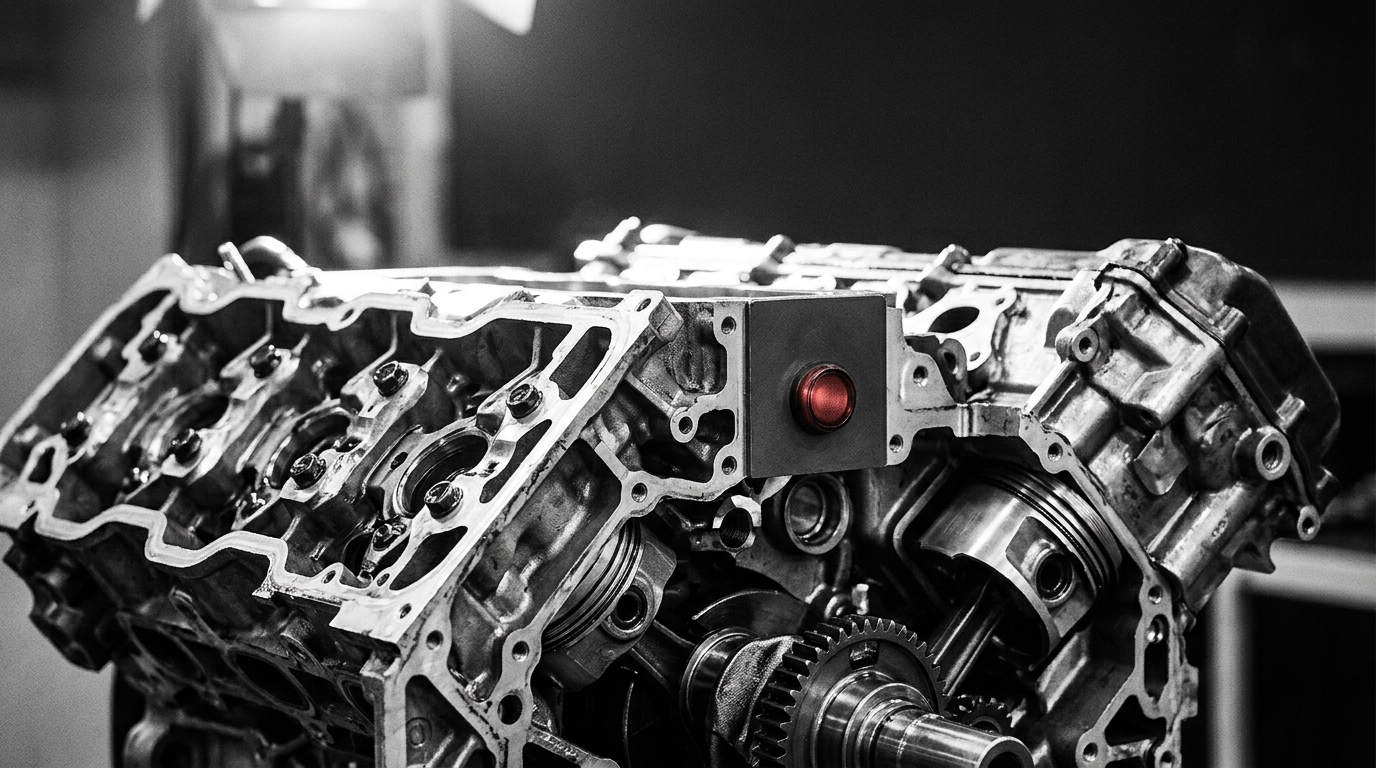
Formula 1’s governing body, the FIA, has officially recognized the internal combustion engine (ICE) developed by Red Bull-Ford as the most potent power unit currently competing in the sport. This determination emerged from the second evaluation period of the Additional Development and Upgrade Opportunities (ADUO) program, which assessed performance data from the start of the season up to the Hungarian Grand Prix. Despite this finding, the FIA opted not to grant additional development tokens or homologation allowances for either the current or upcoming seasons.
Analysis within the ADUO framework indicates that Mercedes' power unit lags behind the Red Bull-Ford benchmark by approximately 2 to 4 percent in terms of power output. Other manufacturers, including Ferrari, Audi, and Honda, were found to be more than 4 percent behind the leading engine. It is important to note that the latest Honda powertrain, which made its debut at the Dutch Grand Prix, was not included in this specific evaluative analysis.
ADUO Program Under Scrutiny
The ADUO program itself is facing considerable scrutiny and criticism from within the Formula 1 industry. While it serves to acknowledge superior performance, the program's methodology is seen by some as incomplete. The primary contention is its exclusive focus on the internal combustion engine's performance, which critics argue overlooks the broader and more complex hybrid power unit architecture. This comprehensive system includes various other critical components that significantly influence a car's overall performance on the track.
Industry stakeholders contend that by concentrating solely on the ICE, the ADUO framework fails to provide a holistic assessment of a power unit’s true capabilities and its contribution to lap time. This narrow scope could potentially disadvantage manufacturers who excel in optimizing other hybrid elements, such as energy recovery systems or electrical components.
Potential Methodology Revisions
Officials from the FIA have acknowledged the ongoing discussions and stated that the ADUO program's methodology remains under active review. There is a possibility that the framework may be revised in future cycles to address these technical discrepancies and offer a more comprehensive evaluation of power unit performance. Such revisions would aim to incorporate a broader range of metrics, potentially including the performance of the entire hybrid system rather than isolating just the internal combustion engine.
The sport's regulations are continually evolving, particularly with an eye towards future engine regulations that emphasize sustainability and technological integration. Any changes to the ADUO program would therefore align with the long-term strategic direction of Formula 1, aiming for a more equitable and technologically relevant assessment of power unit development among competing manufacturers.