Deadly Hantavirus Outbreak Strikes Cruise Ship
A hantavirus outbreak on a cruise ship has caused three deaths and multiple illnesses, prompting an international health response.
Ayla Demirhan ·
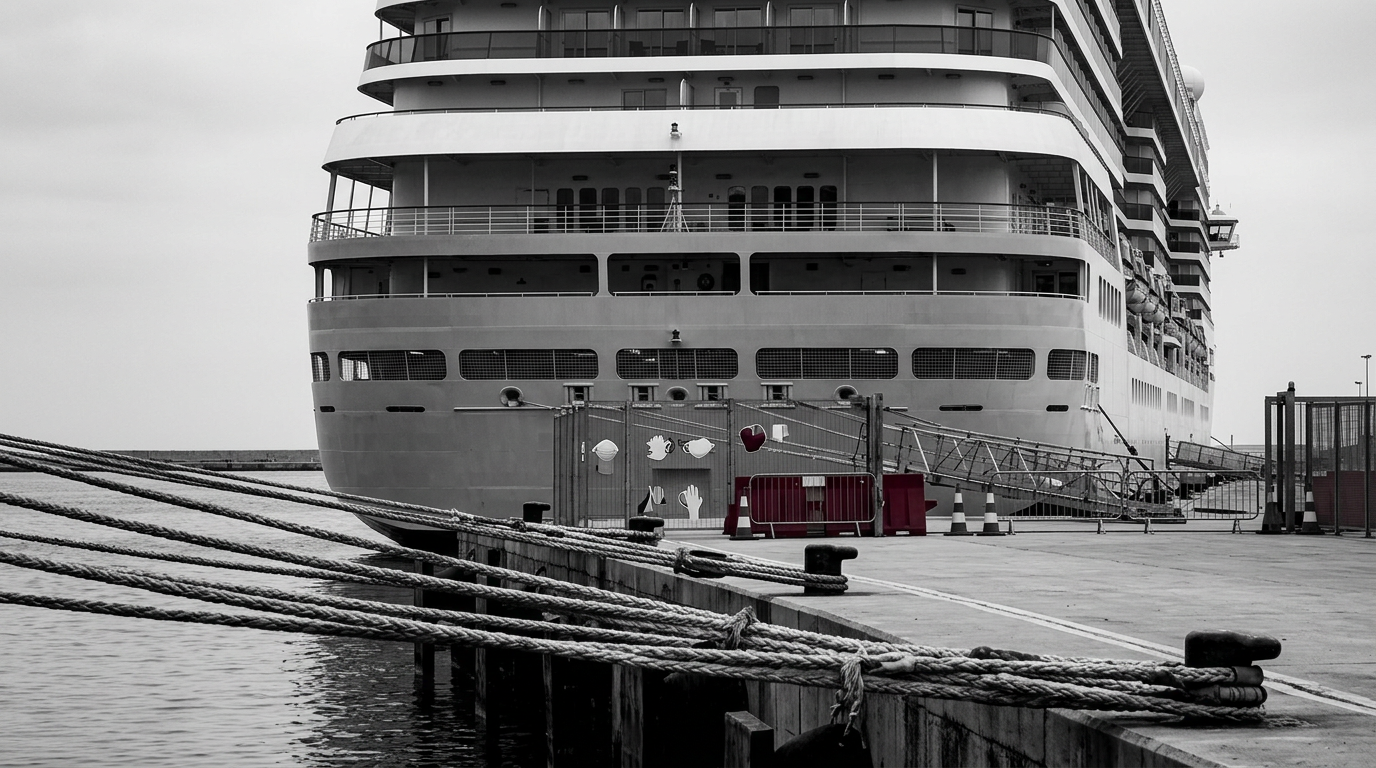
A hantavirus outbreak on a cruise ship has resulted in three passenger deaths and multiple illnesses. Seven cases have been identified, with two confirmed and five suspected.
The World Health Organization (WHO) is managing the outbreak.
Human-to-human transmission of hantavirus, typically rare, appears to have occurred. The specific strain, Andes Virus, is present in Argentina, where the voyage originated.
The ship, carrying approximately 150 individuals from over 20 nations, is expected to dock in the Canary Islands. Authorities are implementing strict precautionary measures, including isolation and hygiene protocols.
One of the deceased was a Dutch national who died on April 11. His wife, who disembarked with his body, subsequently fell ill and died in South Africa.
A German national also died on May 2, with the cause of death pending confirmation.
A British national was evacuated and is receiving treatment in South Africa, representing the first laboratory-confirmed case. Two crew members have also reported symptoms consistent with the illness.