Putin rejects ceasefire advice, raising equity risk
People familiar with Kremlin discussions said Putin rebuffed ceasefire advice and may intensify the war within weeks, adding geopolitical risk.
Mateo Fernandez ·
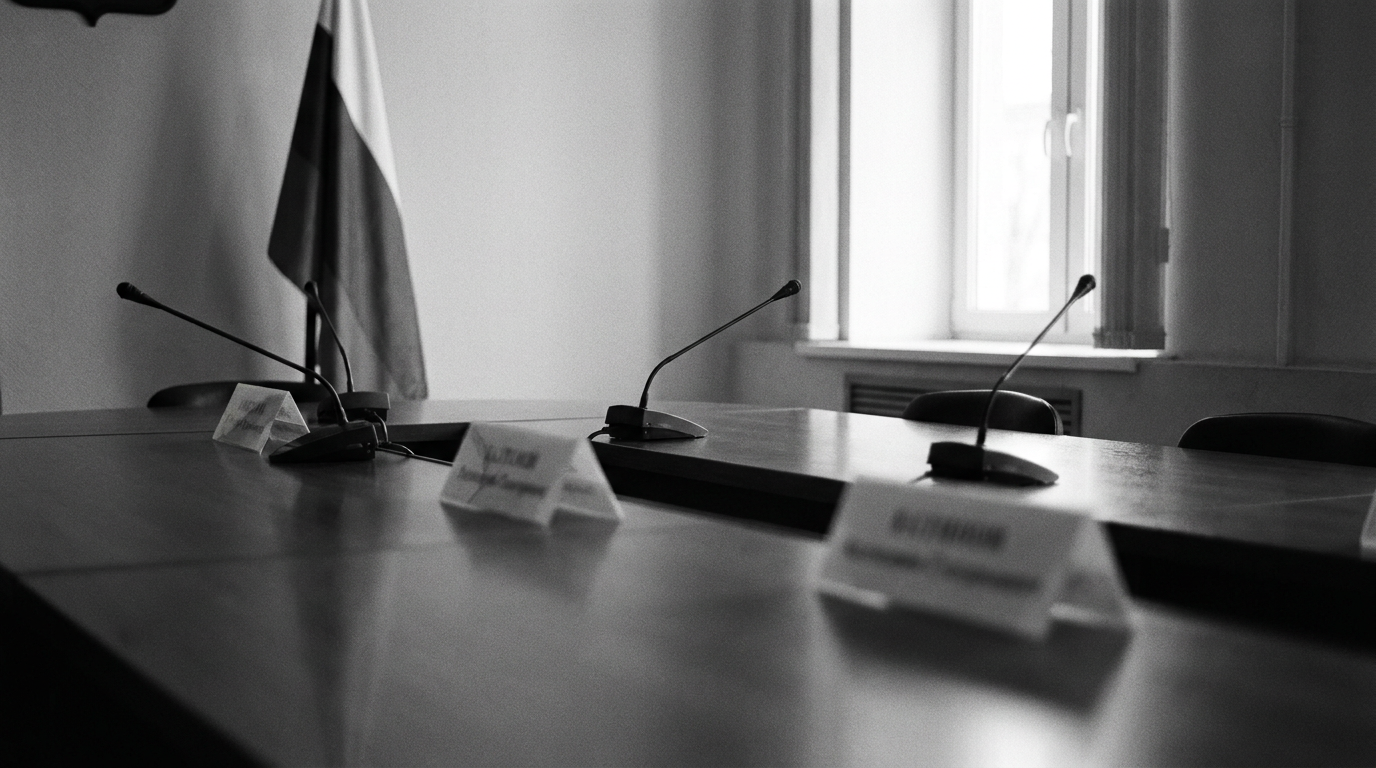
Russian President Vladimir Putin rejected advice from aides to consider a ceasefire in Ukraine and may move to intensify the war within weeks, people familiar with Kremlin discussions said Thursday. Reaction pending in global equities, with investors left to assess whether the report adds pressure to European defense, energy and risk-sensitive shares.
The account is single-sourced and based on people who were not named, so the escalation claim should be read as a signal of Kremlin thinking rather than a confirmed operational order. One person close to Putin was described as seeing a “high probability” of escalation in coming months.
Russian escalation risk tests shares
For macro markets, the mechanism is straightforward
a larger Russian campaign could raise European security costs, keep energy-risk premia elevated and push investors toward havens if fighting threatens infrastructure or supply routes.
If the conflict instead stays near current intensity, the equity effect may
remain concentrated in defense contractors, energy producers and companies with direct regional exposure.
For Moscow, escalation could signal that ceasefire diplomacy is losing influence inside the Kremlin. It may also invite tighter sanctions or new military aid packages for Ukraine, costs that would feed back into Russia’s war economy and budget choices.
For the wider defense and energy sectors, the next turn matters because orders, inventories and hedging decisions respond to expectations before policy changes arrive. If governments conclude the war is entering a more volatile phase, procurement and security spending could accelerate; if talks regain traction, some of that premium could fade.
By July 16, investors will be watching for official Kremlin comments, Ukrainian battlefield reports and any new sanctions or aid announcements from major governments.