Putin Orders Strikes on Ukrainian Energy Sector
Russian President Vladimir Putin ordered military action targeting Ukraine's energy infrastructure on September 2, 2026, in response to alleged attacks on…
Mateo Fernandez ·
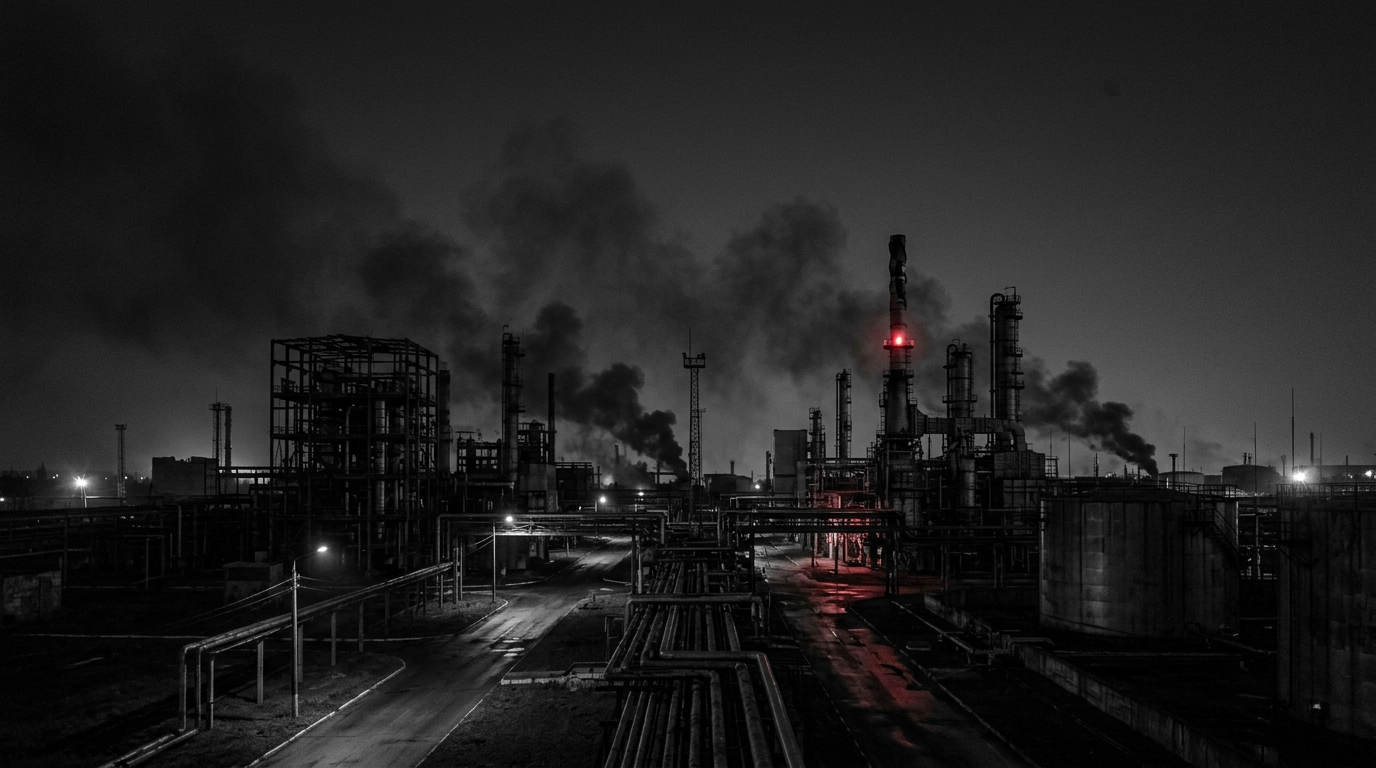
Russian President Vladimir Putin issued an order on September 2, 2026, directing military forces to target Ukraine's energy infrastructure. This directive, according to officials, was presented as a direct response to what Moscow characterized as Ukrainian attacks against Russian civilian infrastructure and fuel complexes.
The announcement followed remarks made by President Putin after a Shanghai Cooperation Organization summit held in Kyrgyzstan. During these statements, the Russian leader indicated that his military had received instructions specifically to focus on Ukraine's energy sector. Moscow framed these actions as a retaliatory measure for ongoing Ukrainian strikes against Russia's fuel and energy complex, with particular mention of oil refineries.
Energy Infrastructure in Focus
This latest order underscores the continued emphasis on energy infrastructure as a strategic target within the ongoing conflict. Such a strategy typically results in military, economic, and civilian repercussions. Damage to power generation facilities, transmission networks, or fuel logistics systems can significantly disrupt industrial operations, compromise winter heating capabilities, and escalate the financial burden associated with sustaining military efforts.
A primary unknown following this order is the precise scale and timing of any subsequent Russian attacks.
If the strikes remain localized or limited in scope, the broader economic consequences are likely to be contained, primarily affecting regional energy-security premiums and adjustments in defense planning. However, an escalation of this campaign could lead to widespread disruptions in Ukraine's power supply, necessitating substantial repair costs, and potentially increasing pressure on the country's fiscal and external financing requirements.
Context of Retaliation Claims
For Russia, the stated justification for this military action is directly tied to alleged strikes against its domestic refining assets. Further damage to these refineries could impact fuel availability within Russia, complicate export logistics, and potentially affect the state's wartime revenue streams. However, officials did not provide specific figures regarding any losses or disruptions in output attributed to these alleged Ukrainian attacks.
The immediate observation period extends for 24 hours, concluding on September 3, 2026. This timeframe is expected to reveal whether Ukraine reports new strikes on its energy assets and if European governments signal intentions to provide additional air-defense systems or grid-support measures. The targeting of energy infrastructure has been a consistent feature of the conflict, with previous campaigns causing significant humanitarian and economic challenges, especially during colder months. Historical patterns indicate that such actions often escalate regional tensions and provoke international reactions regarding humanitarian aid and energy supply stability. The international community will closely monitor the situation for any signs of broader impact on energy markets and diplomatic efforts aimed at de-escalation.