Pressure on OpenAI revenue forecast rises as prices fall
OpenAI revenue forecast faces new pressure from Apple’s lawsuit, AI price cuts, Oracle’s downgrade and competition from lower-cost Chinese models.
Jason Kwon ·
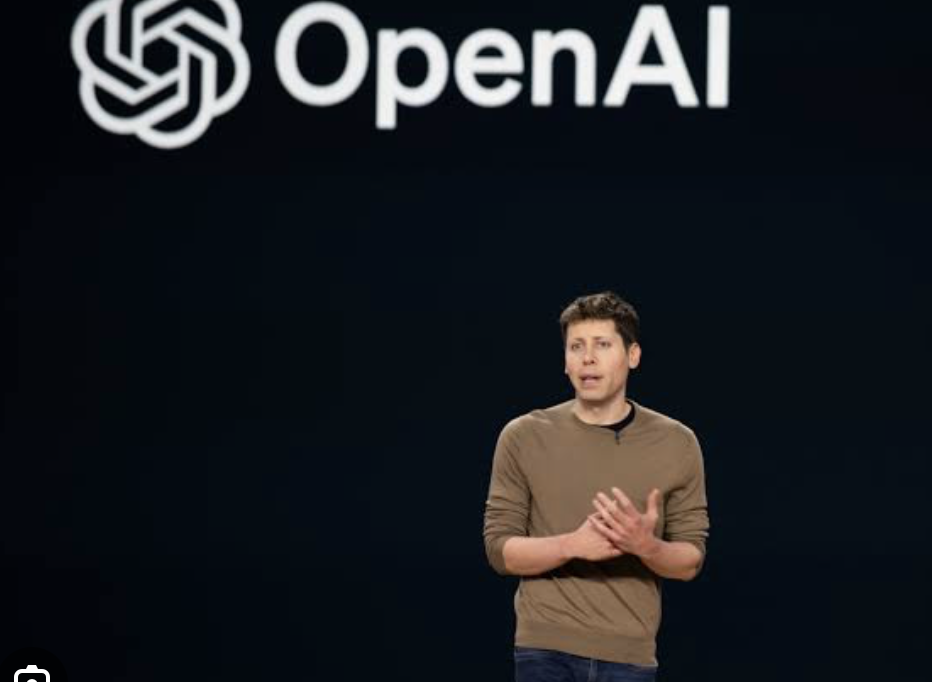
OpenAI revenue forecast is under fresh pressure from lawsuits, cheaper AI models and concerns over compute-linked obligations.
The company’s ability to meet its long-term targets is being questioned after a cluster of legal, commercial and financing risks hit at once. The source material says OpenAI could miss its 2030 revenue forecast by 70%, with its advertising business alone now estimated by Emarketer to fall 95% short of OpenAI’s own forecast.
The strain is wider than one revenue line. Apple has sued OpenAI, alleging that the company’s consumer hardware plans rely on stolen intellectual property, while S&P Global Ratings downgraded Oracle’s debt to BBB-, one step above junk status, and described OpenAI as a key credit risk.
Apple suit targets hardware plans
Apple’s complaint, as described in the source material, alleges that OpenAI hired more than 400 Apple employees, obtained confidential information from them and used Apple suppliers for work Apple says was proprietary. Apple is seeking monetary damages and an order requiring OpenAI to return or destroy allegedly misappropriated property.
The lawsuit matters because hardware is one route OpenAI could use to extend its business beyond subscriptions, developer tools and enterprise software. If the court slows or blocks those plans, OpenAI would lose time in a market where consumer devices can create distribution advantages and recurring revenue.
The hardware risk arrived as details of OpenAI’s first AI device reportedly leaked. The source describes the product as a movable speaker, a form factor that would place OpenAI closer to consumer electronics companies than to software-only model providers.
Cheaper models squeeze pricing power
OpenAI is also facing a faster price reset in AI models. The source says open-source Chinese models now account for nearly 50% of enterprise token usage on OpenRouter, up from 4.5% in the first half of 2025.
That shift points to a simple commercial problem: if customers can obtain adequate performance at lower prices, premium model providers must defend either quality, reliability or integration. Without a clear advantage, usage growth may not translate into the revenue needed to fund infrastructure commitments.
U.S. competitors are responding by cutting prices. Meta announced Muse Spark 1.1, described in the source as up to 75% cheaper than OpenAI and Anthropic, while OpenAI released a model that undercut its own pricing by 80%.
Those moves can expand demand, but they also pressure gross revenue per unit of compute. For companies carrying large obligations to cloud providers and chip suppliers, lower model prices raise the burden on volume growth and cost efficiency.
Oracle downgrade shows financing risk
The pressure is not limited to OpenAI’s income statement. S&P Global Ratings’ downgrade of Oracle to BBB- shows how OpenAI’s spending plans can affect companies tied to its compute buildout.
Oracle’s position matters because AI infrastructure depends on large, long-duration commitments for data centers, cloud capacity and chips. If credit investors begin to treat OpenAI exposure as a risk rather than a growth engine, financing costs could rise across parts of the AI infrastructure chain.
DeepSeek adds another uncertainty. The source says the Chinese AI model provider is reportedly preparing for an initial public offering and could file as early as this year, creating a potential public-market benchmark for cheaper AI models.
If DeepSeek lists successfully, investors may compare its cost structure with U.S. rivals that rely on heavier spending. That could make it harder for OpenAI and Anthropic to raise capital on terms that assume premium pricing will hold.
Scenarios hinge on demand and cost
If OpenAI sustains enterprise demand while lowering inference costs, the company could offset weaker pricing with larger usage volumes. That path would support the global AI investment cycle, help OpenAI absorb infrastructure obligations and give the wider sector time to prove that cheaper models can still produce profitable growth.
If price cuts deepen while legal delays slow new hardware revenue, the pressure would move in the opposite direction. OpenAI would face a narrower path to its 2030 forecast, cloud and chip suppliers would confront tougher contract-risk questions, and global AI capital spending could become more selective.
A third path depends on competition from Chinese open-source models. If enterprise adoption keeps shifting toward lower-cost alternatives, the macro effect would be disinflationary for AI services, but painful for high-spending model developers; OpenAI would need sharper product differentiation, while the industry would likely move faster toward lower-margin, scale-driven competition.